On Discourse Guiding Principles:
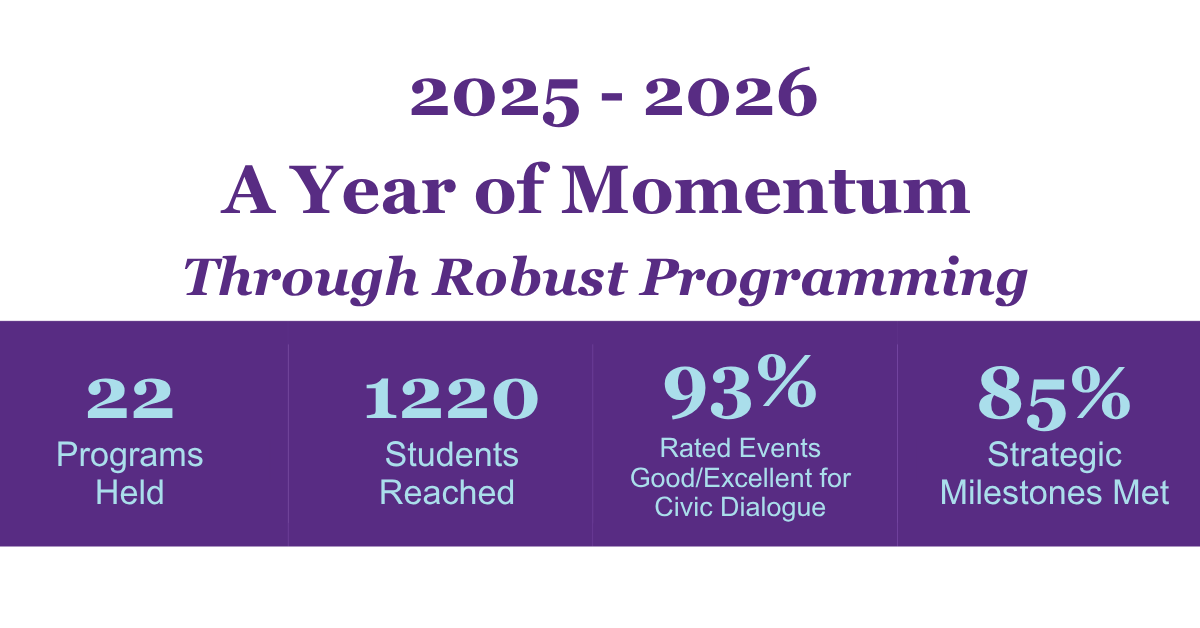
As a learning community, we recognize that students, staff, and faculty are not immune from an increasingly polarized landscape that does not always prioritize or offer the skills to communicate across matters of difference. The On Discourse Initiative at Furman is meant to address this need by urging and equipping our community to forge a new path—one of robust engagement rooted in free expression and inquiry, critical thinking, and deep listening. On Discourse identifies, amplifies, and strengthens the broad spectrum of efforts across campus to teach and engage the campus community in constructive discourse, debate, dialogue, discussion and conversation with those who think differently than they do on issues that concern Furman, our nation, and the world. These efforts are steeped in Furman’s mission and values which include commitments expressed in the Statement On Freedom of Inquiry and Expression. These commitments and values support the university’s mission to foster lifelong learning through rigorous inquiry, transformative experiences, and deep reflection, enabling them to lead lives of meaning and consequence.

Description: Programs in this category feature studies about discourse. Discourse includes debates, discussions, deliberations, and dialogues. These programs present research, scholarship, and expert writings that investigate discourses, particularly those featuring divergent perspectives. Such studies might examine conflicting narratives surrounding pressing social and disciplinary issues, explore factors that contribute to historical and contemporary political and cultural divides, investigate strategies to solve political divides or delineate the boundaries of free speech.
Program Examples (not exhaustive):
Description: Programs in this category serve as examples of constructive discourse by featuring a panel of at least two individuals with diverse or divergent perspectives on a pressing social or disciplinary issue, (2) a moderator or facilitator, and (3) an audience engagement with opportunities for question and answer.
Program Examples: (not exhaustive)
Description: These programs are designed to strengthen community members’ ability to engage constructively in discussions, debates, dialogues, and deliberations within interpersonal, team, organizational, or departmental settings, especially where diverse or divergent views may lead to disagreement. It also includes any professional development or student peer workshops and training sessions designed to enhance skills that include those listed below.
Examples of Skill Areas (not exhaustive)
Description: The On Discourse Teach-In is a structured learning experience designed to prepare students to engage thoughtfully and respectfully with complex, timely, and often controversial topics in public discourse.
Program Structure:
ODI Co-Sponsorship Checklist:
An event is eligible for ODI Co-Sponsorship if all the following criteria for programs and organizers are met. Co-sponsorship grants access to ODI mini-grants, use of the ODI logo on all promotional material, and programmatic support from the ODI Co-Directors.
An event qualifies for ODI Co-Sponsorship if it aligns with one of the ODI programmatic categories listed below. For detailed explanations of each category, please refer to the Guidelines for Programming
Checklist for ODI Co-Sponsorship if the organizer:
1. Agrees to read or post the ODI Community Agreements found here in addition to the CLP Statement of Comportment, if applicable.
2. Develop a strategy to address behavior that undermines engagement or violates the ODI Community Agreements and is prepared to implement said strategy.
3. Includes ‘On Discourse’ on the publicity materials for the program.
4. Provides high-quality/website-ready photography during the event.
6. Prepare a concise summary of the program that includes the following, if applicable:
5. Post or Distribute a QR code survey and encourage participants to share feedback.
Application for Non CLP Events:
This application is intended for non-CLP events, such as trainings, workshops, or facilitated conversations that do not carry CLP credit. Events seeking CLP designation under the On Discourse initiative will be identified separately and must go through the standard CLP application process.
On Discourse Mini Grant Application On Discourse Mini Grant Application
The On Discourse Initiative (ODI) mini-grants up to $1,000, support students, faculty, and staff sponsoring co-curricular activities aligned with ODI’s programmatic goals and specific requirements. Among other costs, these funds may be used to supplement:

Join Andy Coe and On Discourse for a new series "Let's Talk About It..."
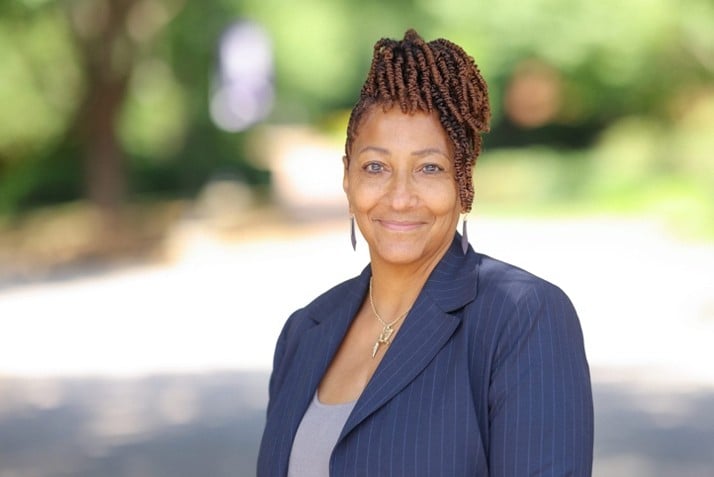
Learn more about Robyn Andrews, the Coordinator for Libraries Circulation & Research Services, and her class "Civility: What We Do, Why It Matters."
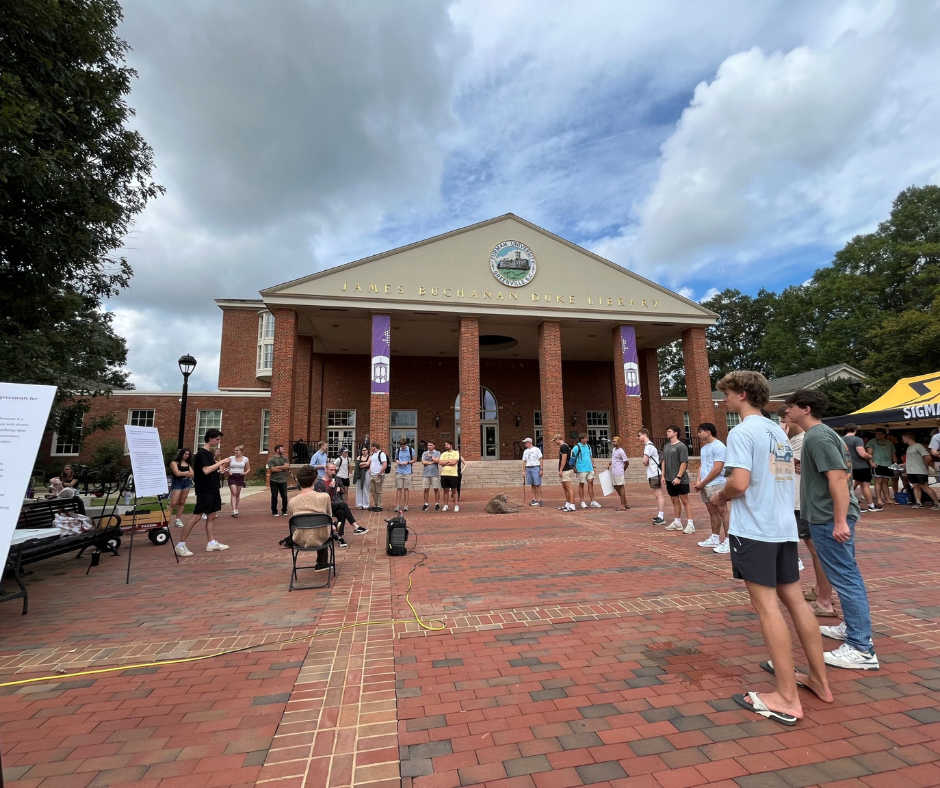
The On Discourse Ambassadors are a student group that helps to facilitate the mission of On Discourse. See what they have been up to this year.

As part of a special series, On Discourse will sponsor educational programs designed to help students, and the campus community, deepen their understanding of democracy in the United States. Where divergent schools of thought exist, multiple perspectives will be presented fairly and thoughtfully.
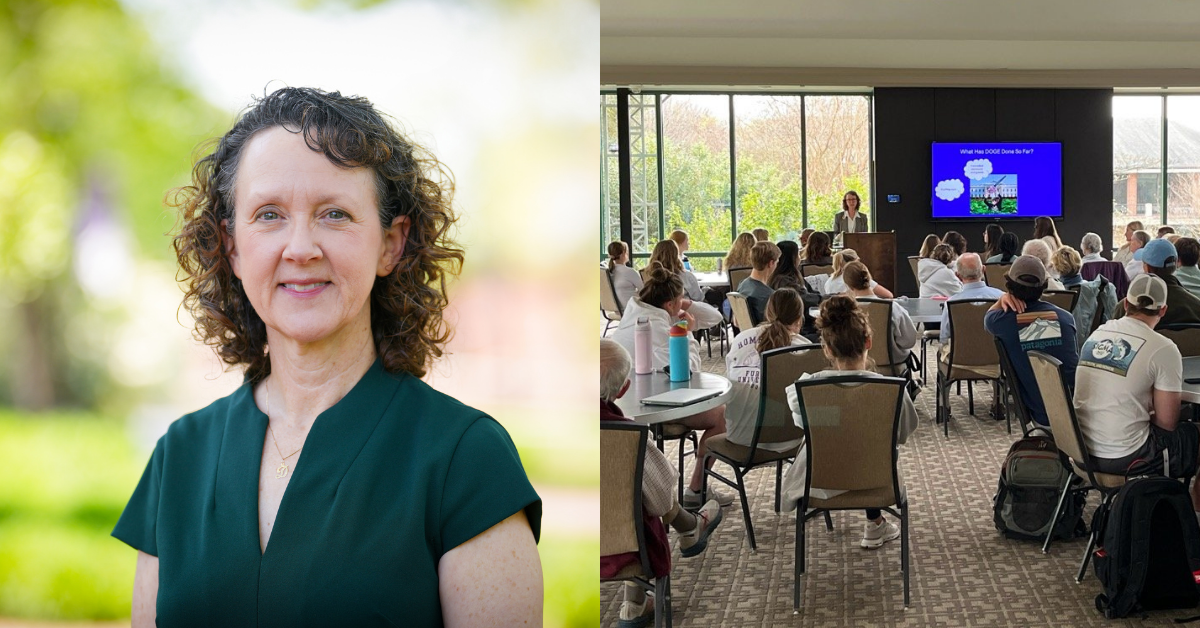
Dr. Vinson’s section of POL 101: American Government is an introduction to American government and politics. In its approach, the course aligns with On Discourse and focuses on one of the most consequential features of politics today: political polarization. Dr. Vinson pulled comments from the final student reflections that are relevant to the goals of the On Discourse Initiative and civic engagement.
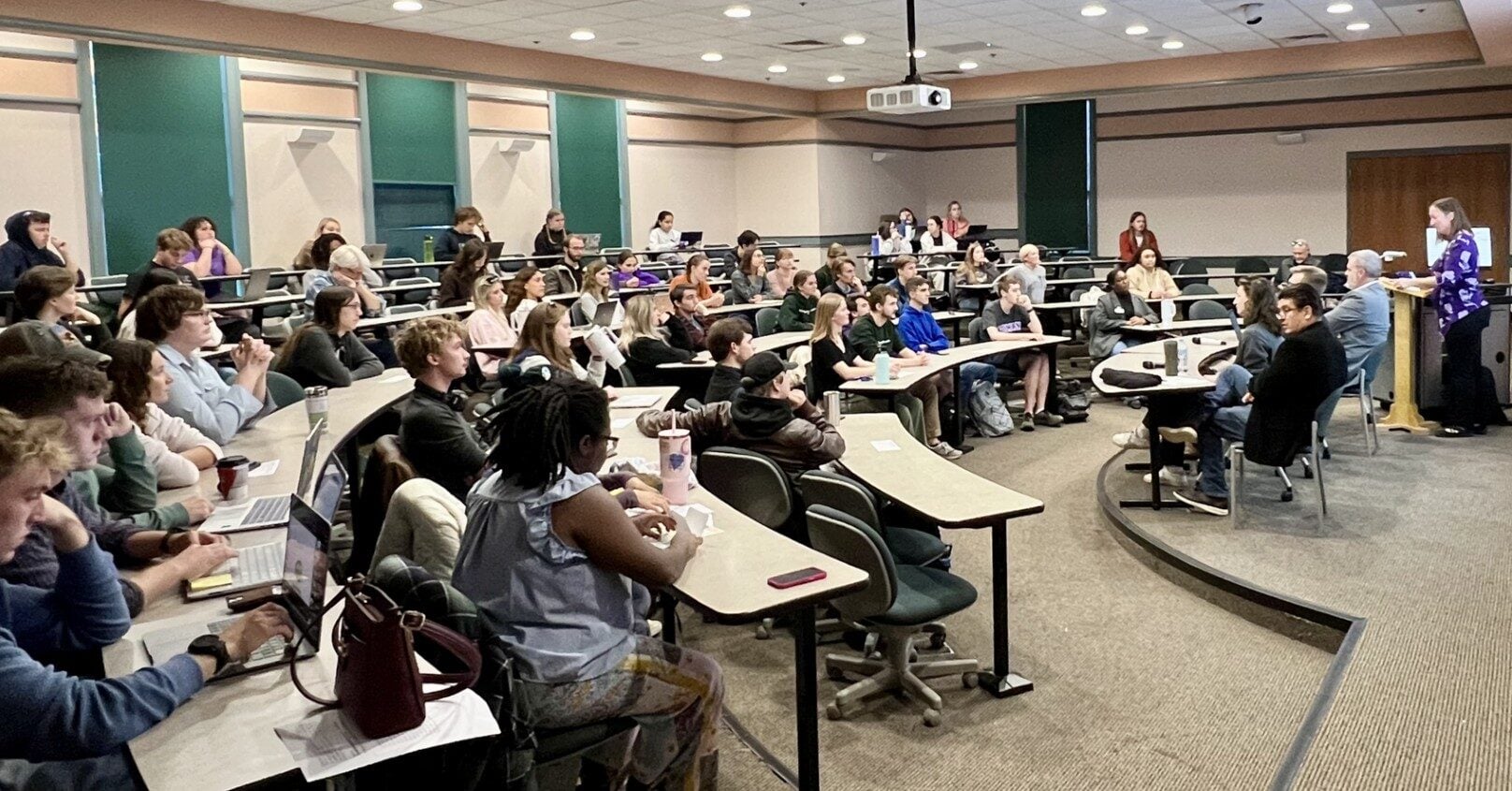
Take a look at the past and present On Discourse programming.

View Our Leadership Team and Advisory Board
empty