StraightTalk 2024: Politics in the Divided States of America

How America’s culture wars influence public perception and policy during the 2024 election season
PRESENTED BY THE RILEY INSTITUTE AND OSHER LIFELONG LEARNING INSTITUTE IN COLLABORATION WITH THE DEPARTMENT OF POLITICS AND INTERNATIONAL AFFAIRS
The U.S. 2024 presidential election has been coined “an election about everything,” as nearly every political issue today is presented as a battle in which our national identity and values are at stake. During this StraightTalk series, we explored the impact of our political division as we approached the 2024 elections. We examined how our media landscape—rife with structural disinformation and artificial intelligence campaigns—shaped partisan public opinion on key voter issues, often clouding our understanding of actual policies and their real-life repercussions. We unpacked how issues are framed to divide us, repressing our interest in facts that may stand in opposition to our “side” and weakening our collective ability to solve problems. Finally, we learned what can be done to foster political common ground and seek a more holistic understanding of the facts, myths, nuances, and outcomes regarding issues that matter to us and to our communities.
Series Details
- Tuesday, September 3, 6:30 p.m. | Immigration: A Case Study on “Us vs. Them” Politics
- Tuesday, September 10, 6:30 p.m. | How Did Everything Become a Culture War?
- Tuesday, September 17, 6:30 p.m. | How Do We Start Talking to Each Other Again?
All sessions took place in McAlister Auditorium and were moderated by Furman University Professor Danielle Vinson.




Session I | Immigration: A Case Study on “Us vs. Them” Politics
Session I Speakers

Carlos Curbelo was born in Miami, Florida in 1980, to political refugees who fled tyranny and oppression in Cuba. In 2002, Carlos founded a public and media relations firm, and in 2014 he was elected to U.S. Congress where he served Florida’s 26th district until January of 2019. Rep. Curbelo was consistently ranked one of the most bipartisan members of Congress and led on difficult issues like climate policy, immigration, gun reform, and tax policy. Today Curbelo co-leads Vocero and serves as an on-air analyst for NBC NEWS, MSNBC, Telemundo, NBC6 and Telemundo 51.

Roberto Suro holds a joint appointment as a professor of journalism and public policy at the University of Southern California. Prior to joining the USC faculty, he was director of the Pew Hispanic Center and participated in the founding of the Pew Research Center. Suro worked as senior correspondent for Time Magazine, The New York Times and at The Washington Post. He is the author of several books, including Strangers Among US: Latino Lives in a Changing America, and several dozen book chapters, research reports, and other publications related to Latinos and immigration.
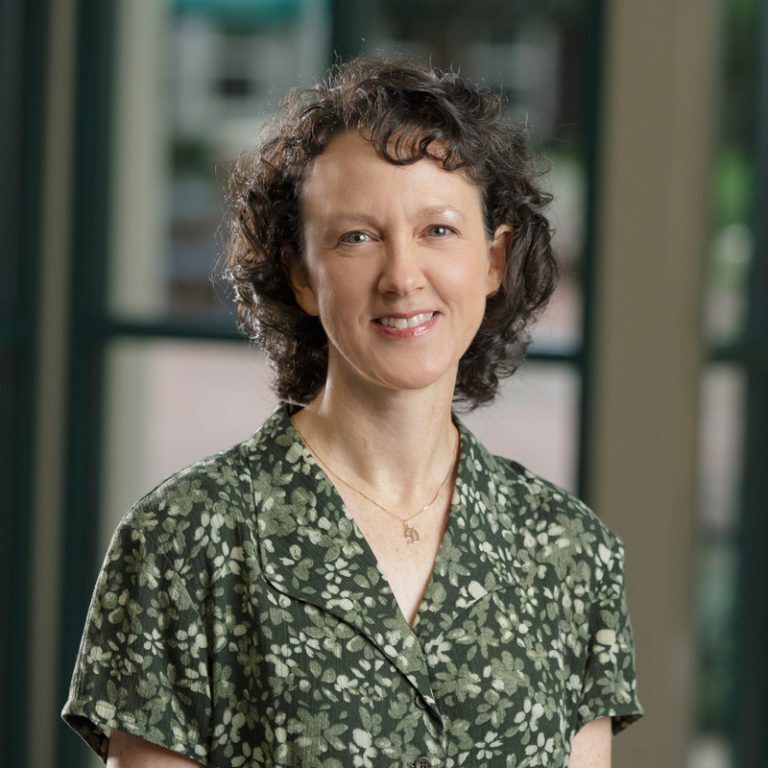
Danielle Vinson, Ph.D., ’89 (moderator) is professor of politics and international affairs at Furman University. She specializes in institutions in American government with a particular emphasis on Congress and the media.

Week 1 Recap
Speakers at Session I discussed the topic of immigration as a representative case study of America’s political polarization. Discussants examined how politicians have abandoned attempts to forge common ground on this issue. They considered the long-term effects of division and the importance of an existing middle ground for social progress and policy change to happen.
 Watch Event Recording


Session II | How Did Everything Become a Culture War?
Session II Speakers

Leroy Chapman, Jr., is The Atlanta Journal-Constitution’s editor-in-chief. He is the first Black journalist to hold the newsroom’s top job in its 156-year history. Previously, he was managing editor where he led reporting teams that cover local, state, and federal government, politics, education, crime and public safety, the economy, sports and breaking news. He has worked at the AJC since 2011.
Danielle Vinson, Ph.D., ’89 (moderator) is professor of politics and international affairs at Furman University. She specializes in institutions in American government with a particular emphasis on Congress and the media.

Dannagal G. Young, Ph.D., is a professor of communication and political science at the University of Delaware, where she studies the content, audience, and effects of nontraditional political information. She has published over sixty academic articles and book chapters on the content, psychology, and effects of political information, satire, and misinformation. Her new book, Wrong: How Media, Politics, and Identity Drive our Appetite for Misinformation was published in October 2023.

Week 2 Recap
Speakers at Session II discussed key influences shaping America’s growing “culture wars” and how they increase our susceptibility to misinformation and distortion of truth, especially through our media landscape and news consumption.


Session III | How Do We Start Talking to Each Other Again?
Session III Speakers

Val Demings served as the U.S. representative from Florida’s 10th congressional district from 2017 to 2023 and was considered as a running mate to Joe Biden in 2020 for her strong leadership. Prior to serving in the House, Demings was the first female police chief of the Orlando Police Department. She currently serves as an executive fellow with the Bipartisan Policy Center.

David J. Kramer serves as the executive director of the George W. Bush Institute. Prior to joining the Bush Institute, Kramer worked in Washington, D.C., for 24 years, including serving in the U.S. Department of State during the George W. Bush administration as assistant secretary of state for democracy, human rights, and labor and as deputy assistant secretary of state for European and Eurasian affairs.

Stephanie S. Streett is executive director of the Clinton Foundation. She has served in this role since 2001 and oversees the strategy and management of the Clinton Presidential Center. Prior to joining the Clinton Foundation, Streett served in the Clinton Administration for eight years on the White House staff, first as special assistant to the President, then deputy assistant to the President, and finally as assistant to the President and director of scheduling. Previously, Streett worked on Capitol Hill as a staff member for the United States Senate Committee on the Budget.

Week 3 Recap
Session III speakers discussed navigating public service amid polarization and considered strategies to develop cross-partisan empathy, reduce partisan animosity, and discover common goals and solutions across political differences.


