About Our Research Services
Our team offers research services such as designing and conducting quantitative and qualitative studies, writing and negotiating data-sharing agreements, creating measurement tools, and collecting and analyzing data to inform outcomes and decision-making. While we work across a range of fields, we focus on interventions and models that strengthen education and health outcomes for children, including public Montessori education, college and career readiness in public schools, and early home visiting for mothers and newborns.

Our Areas of Focus
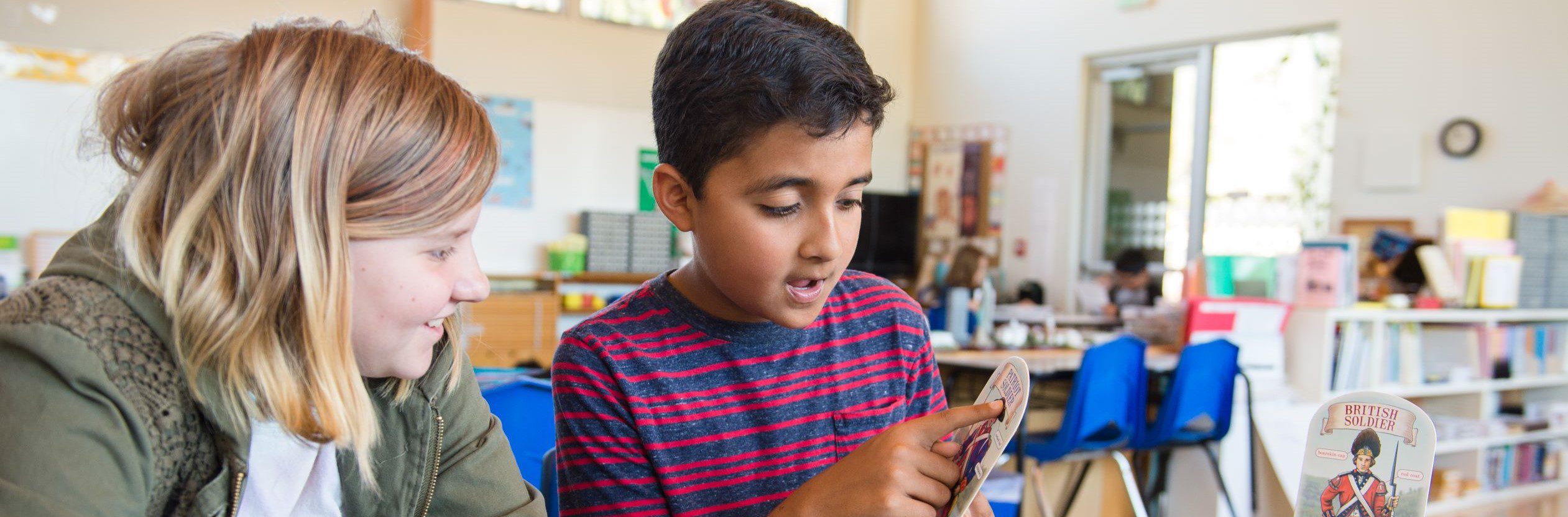
South Carolina leads the country in the number of Montessori programs in the public sector, which has generated widespread interest in exploring the method and its impact on students and educators. Montessori is a child-centered educational approach based on scientific observations of children. Necessary components include multiage groupings that foster peer learning, uninterrupted blocks of work time to develop concentration, and guided choice of work activities using specific Montessori materials and lessons to inspire interest. The Institute has conducted multiple studies on Montessori, including: a four-state study funded by the Brady Education Foundation that seeks to understand how Montessori impacts students of color and low-income students; a multi-year study funded by the Self Family Foundation examining how Montessori impacts different subgroups of students in South Carolina; and a study funded by the American Montessori Society exploring teacher satisfaction and retention among Montessori public school teachers nationally.
Discover the institute’s reports and peer-reviewed research on public Montessori education.
The Riley Institute believes all children deserve to have caring, safe, and enriching environments in which to learn and grow. Through research, program evaluation, and strategic learning opportunities, we serve organizations that support and strengthen the well-being of children and families. Our research identifies effective programs and practices for improving child well-being and family stability. Local leaders can use the results of our research to implement, adapt, and scale proven programs. We have experience working with organizations targeting all stages of child development.
Discover more information on our work supporting children and families.
Personalized, competency-based learning (PCBL) is an educational framework that supports all students as they seek to achieve critical knowledge, skills, and characteristics. By fostering student ownership of learning, developing learner profiles and learning pathways, and adopting flexible learning environments, each student’s education experience is tailored to meet his or her unique strengths, needs, and goals. The institute has conducted multiple studies of PCBL, including an analysis of South Carolina districts that have made a commitment to systemic PCBL transformation in partnership with the personalized learning team in the South Carolina State Department of Education and the KnowledgeWorks Foundation.
Innovation in public education that better serves all children is a primary focus of our research. For example, we have studied project-based learning (PBL) in multiple settings, with an eye on how this model impacts different subgroups of students. PBL as a PK-12 instructional model is growing nationwide and is seen as a mechanism to deliver academic content in a more engaging manner and in a way that stresses the development of skills critical to success in the 21st century workforce, such as communication, collaboration, and student agency. The institute has led several projects that study PBL as a practice and explore models that use PBL as the primary pedagogical mode. We have also worked with the New Tech Network to study the various pathways to PBL implementation in New Tech schools.
Discover more information on our studies of innovative models in public education.
Research shows that quality public education opportunities can lead to improved long-term outcomes for both individuals and society as a whole, including higher lifetime earning potential, better health outcomes, reduced crime rates, and increased civic engagement. For many children, access to varied supports during the school day and beyond can help to level the playing field. Additionally, supports for teachers, who are the single most important in-school influence on student success, can further ensure that all students are able to access quality learning opportunities. The institute has conducted multiple studies on supporting teachers and students in public schools, including research on best practices in literacy instruction and afterschool and summer learning opportunities, as well as evaluations of programs such as Overcoming Obstacles and College Advising Corps.
Discover more information on our research supporting public school teachers and students.
Research Spotlight: Hello Family
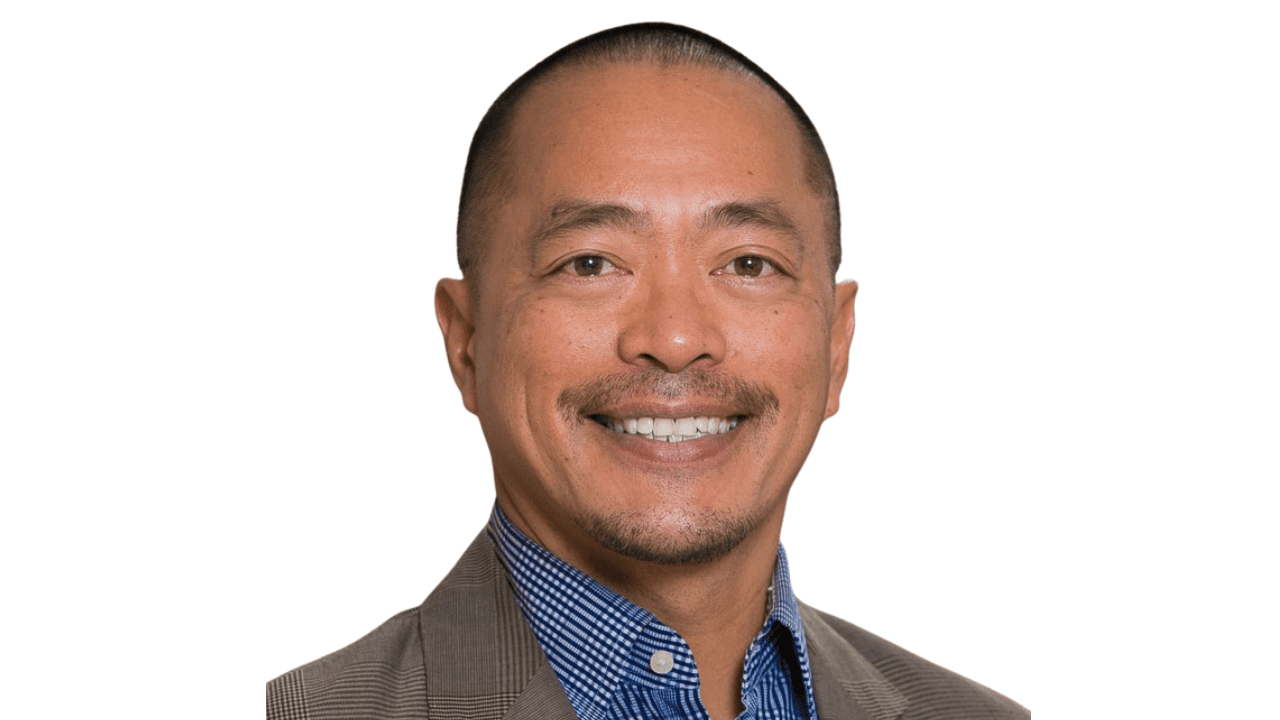
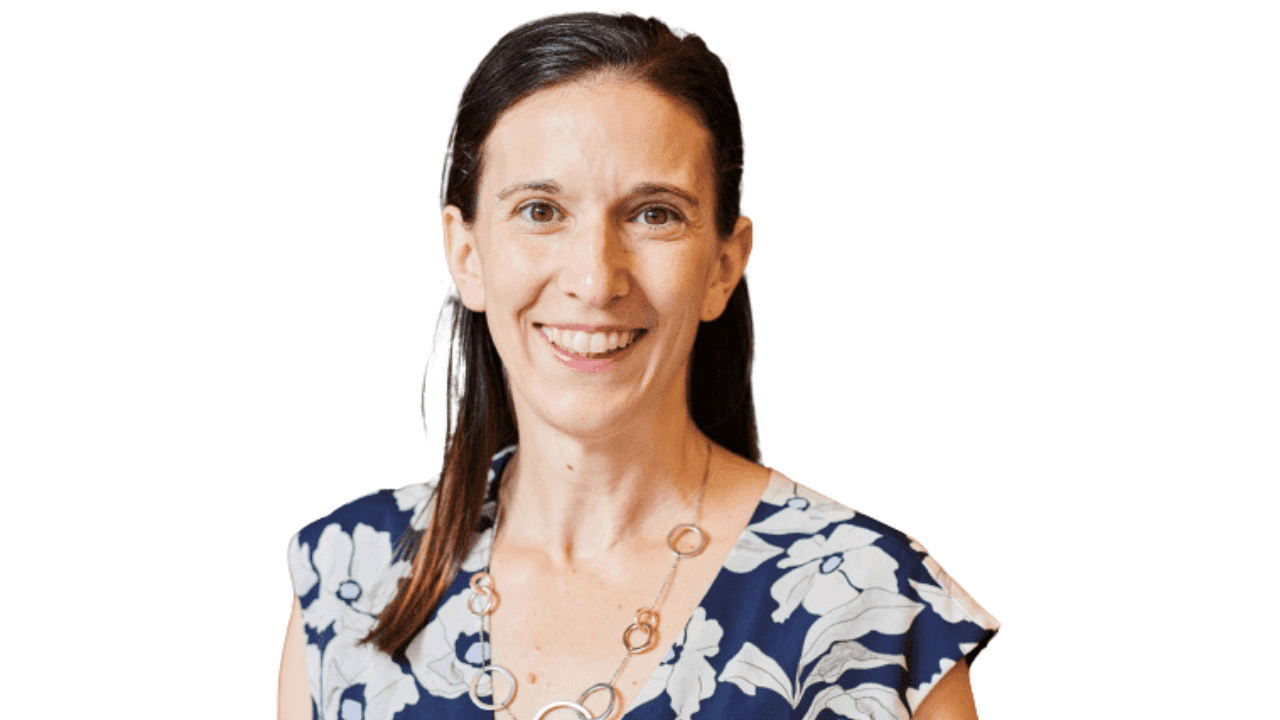
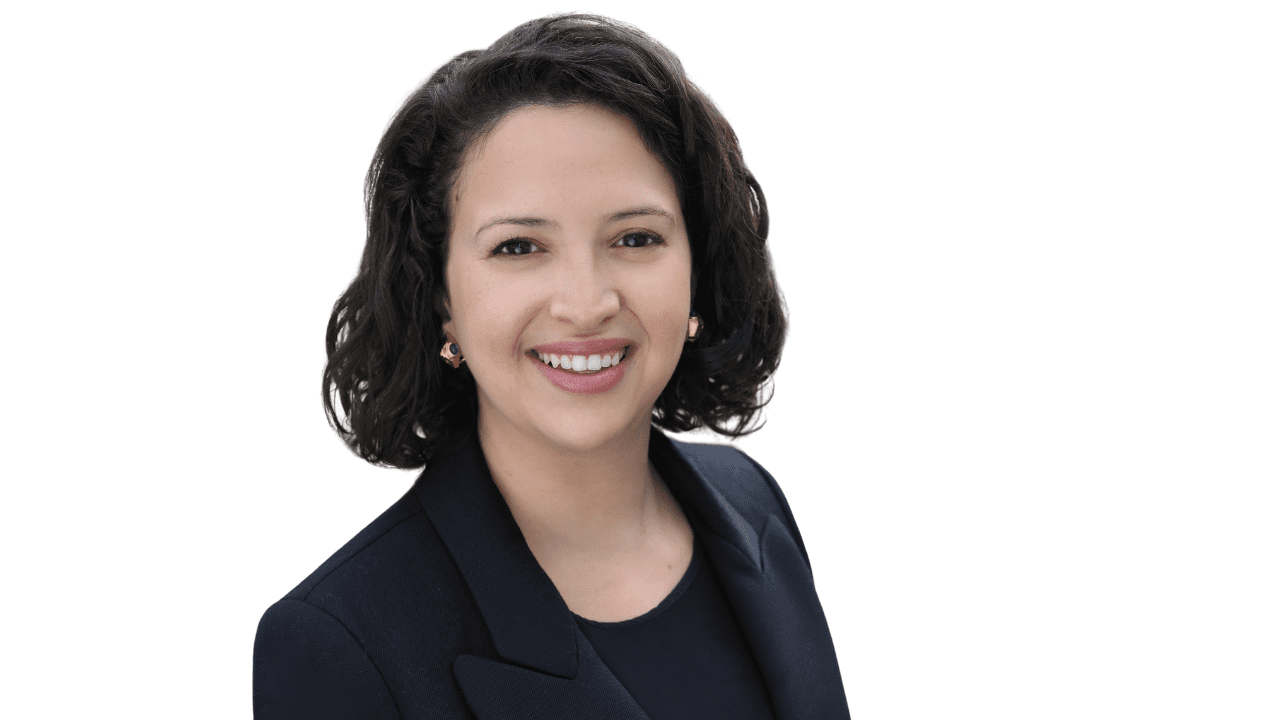
Hello Family, a project coordinated by the Institute for Child Success, is a five-year initiative aiming to improve the outcomes for children and their families in Spartanburg through a continuum of evidence-based services addressing prenatal development to kindergarten entry. In collaboration with the Urban Institute, the primary impact evaluator, the Riley Institute is leading the effort to validate the annual achievement of performance benchmarks set by the four Hello Family partners: BirthMatters, Family Connects, Hope Center for Children, and Spartanburg First Steps. Achievement of benchmarks will trigger payments from the City of Spartanburg to each partner and to private investors.
Interested in Our Services?
We’d love to start a conversation about how we can support and partner with you. Please contact us about your project or with questions about our services today.