Fellow in Focus: Melanie Hooper
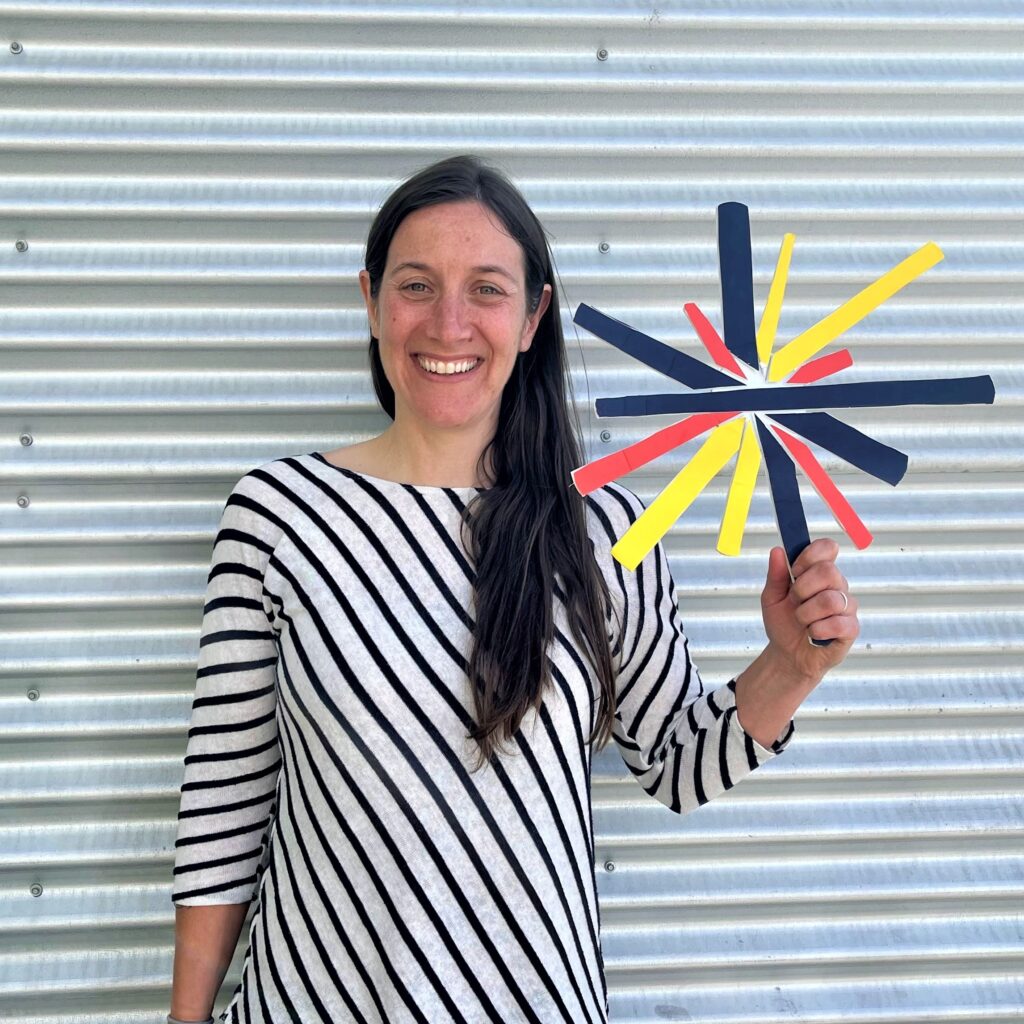
The White-Riley-Peterson Afterschool Policy Fellowship is more than just a leadership development program; it’s a catalyst for change and empowerment in the afterschool sector. For the past 13 years, the fellowship has helped spark systemic change across Alaska, and the body of fellows in the state continues to grow. Below, Alaska Afterschool Network Executive Director and White-Riley-Peterson Fellow Thomas Azzarella describes his nomination of President and CEO of Camp Fire Alaska Melanie Hooper to the fellowship and her resulting journey and its impact on her organization and beyond.
A Time of Transition and Opportunity
A year and a half ago, Camp Fire Alaska faced a significant leadership transition when its longstanding CEO retired. After an extensive search process, Melanie (Mel) Hooper was selected as the new president and CEO. Stepping into this role was no small feat, as the afterschool sector was still grappling with the aftershocks of the pandemic. The need for strong leadership, particularly in advocacy for school-age childcare and summer camp programs, was more critical than ever.
Six months into her tenure, I recognized Mel’s leadership potential and nominated her for the White-Riley-Peterson (WRP) Afterschool Policy Fellowship. This nomination wasn’t just a testament to Mel’s capabilities, but also aligned perfectly with Camp Fire and the Alaska Afterschool Network’s organization priorities. Having gone through the fellowship myself, I knew the experience would provide an invaluable opportunity for Mel to grow as a leader while supporting Camp Fire Alaska’s mission during a pivotal time.
Growth, Advocacy, and Partnership
Reflecting on her experience, Mel describes the fellowship as a “profound professional development experience.” It connected her with key stakeholders at local, state, and federal levels, and with peers working in the afterschool advocacy space. This network of connections has been instrumental in broadening her understanding and approach to leading Camp Fire Alaska and advocating for youth and families across the state.
One of the most significant lessons Mel highlights is the “power of partnership.” She emphasizes how crucial it is for out-of-school time providers to engage with their afterschool networks, not just for professional development resources, but also in advocacy for the sector. According to Mel, failing to do so is a “missed opportunity” for collective voice and movement within the field. This insight is particularly powerful as it underscores the importance of collaboration in driving systemic change.
The fellowship, in Mel’s words, feels like a “launching point.” It’s not just a steppingstone in her career but a transformative experience that has the potential to change people’s trajectories, including her own. “I had no idea I was going to love the advocacy part of my job so much,” Mel reflects, echoing the deep sense of fulfillment she has found in her role.
Building Momentum for Systemic Change
The impact of Mel’s participation in the fellowship has been felt across the afterschool sector. By fostering stronger connections between the school district, childcare licensing, and afterschool programs, she has helped create a more cohesive and effective out-of-school time system. The collective voice of the school-age childcare system, which Mel has helped to strengthen, is being heard, and people are increasingly receptive to this united front.
Indeed, I have observed a system-wide momentum under Mel’s leadership that has been able to address longstanding challenges facing school-age programs. Mel has come in at a critical time and has not been afraid to pivot when necessary. This adaptability, combined with Mel’s ability to rally others around a common goal, has driven significant progress in afterschool advocacy and policy development in Alaska.
Gratitude and Future Impact
The WRP Fellowship has undoubtedly been a game-changer for Mel and Camp Fire Alaska. But this success was not hers alone. It is shared by everyone who has supported her along the way, especially the WRP staff, mentors, and funders that helped make the fellowship possible.
As we look to the future, there is a deep sense of gratitude for the role each person has played in Mel’s journey. The Alaska Afterschool Network is thrilled to announce that Anna McGovern, Afterschool Program Specialist, has been selected to participate in this year’s White-Riley-Peterson Policy Fellowship. Anna will be building off Mel’s success to help continue to advance afterschool policy priorities in Alaska.