
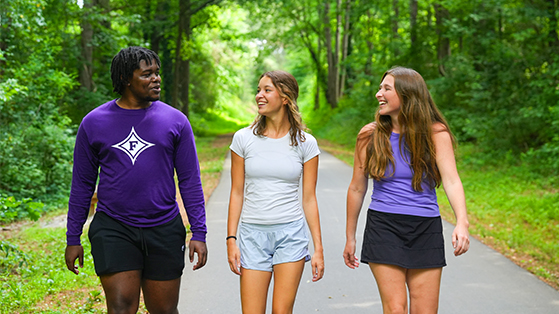
What is environmental wellbeing?
Environmental wellbeing is defined by the livability of our surroundings. Maintaining a safe environment and society that supports health and contributes to environmental wellbeing.
- Sustainability
- Laws and policies
- Relax, refresh, and restore our senses
- Safe spaces
Student Quote
“Environmental wellness is defined as being comfortable in own spaces and outside surroundings. It involves the awareness and capability to support a safe and healthy ecosystem in which to live.”
Lilly Woo ’24
swipe
Environmentally well people...
- Think about sustainability and try to practice it in their daily lives
- Avoiding single use plastics
- Using a reusable water bottle
- Turning off lights when they are not in use
- Taking reusable bags to the grocery store
- Manage their media exposure
- Customize their living spaces to positively affect mood and decrease stress
- Value the earth and what it provides for us
Check in with your environmental wellbeing by asking yourself these questions:
- Do you feel comfortable in your space?
- Do I take time to appreciate nature and remain connected to the natural world?
- What spaces do you like be in?
- Am I aware of the impact I have on the environment?
- What products do I use and consume every day? Are there better alternatives?
- Do I reduce, reuse, and recycle as much as possible?
- Does my environment support and encourage my individual wellbeing?
- How can I participate in efforts to remove systemic barriers to my environmental wellbeing?
These are easy things you can do to better your environmental wellbeing.
- Try composting
- Ask the Shi Institute about composting on campus
- Visit and volunteer at the Furman Farm
- Join an environmentally-focused group or club like Eco Reps, EAG, or FUOC.
- Visiting local parks and gardens
- Swamp Rabbit Trail
- Paris Mountain
- Falls Park on the Reedy
- Unity Park
- Update the space you live in to better support your healthy habits
- Plant and garden
- Get rid of things you don’t need
- Walk or ride a bike to class instead of driving
- When buying clothes, try to buy from places that advocate for sustainable fashion
- Ethical manufacturing
- Eco-friendly production
- Reduced consumption
- Use recyclable bags when grocery shopping
- Carpool with friends
- Conserve energy:
- Turning off the lights
- Unplugging items
- Switching to LED lightbulbs

Environmental Wellbeing Resources
- What is Climate Anxiety?
- Climate Mental Health Network: https://www.climatementalhealth.net/
- Project Drawdown: https://drawdown.org/
- Housing and Residence Life
- Get connected to an environmentally-focused group or club like Eco Reps, EAG, or FUOC.