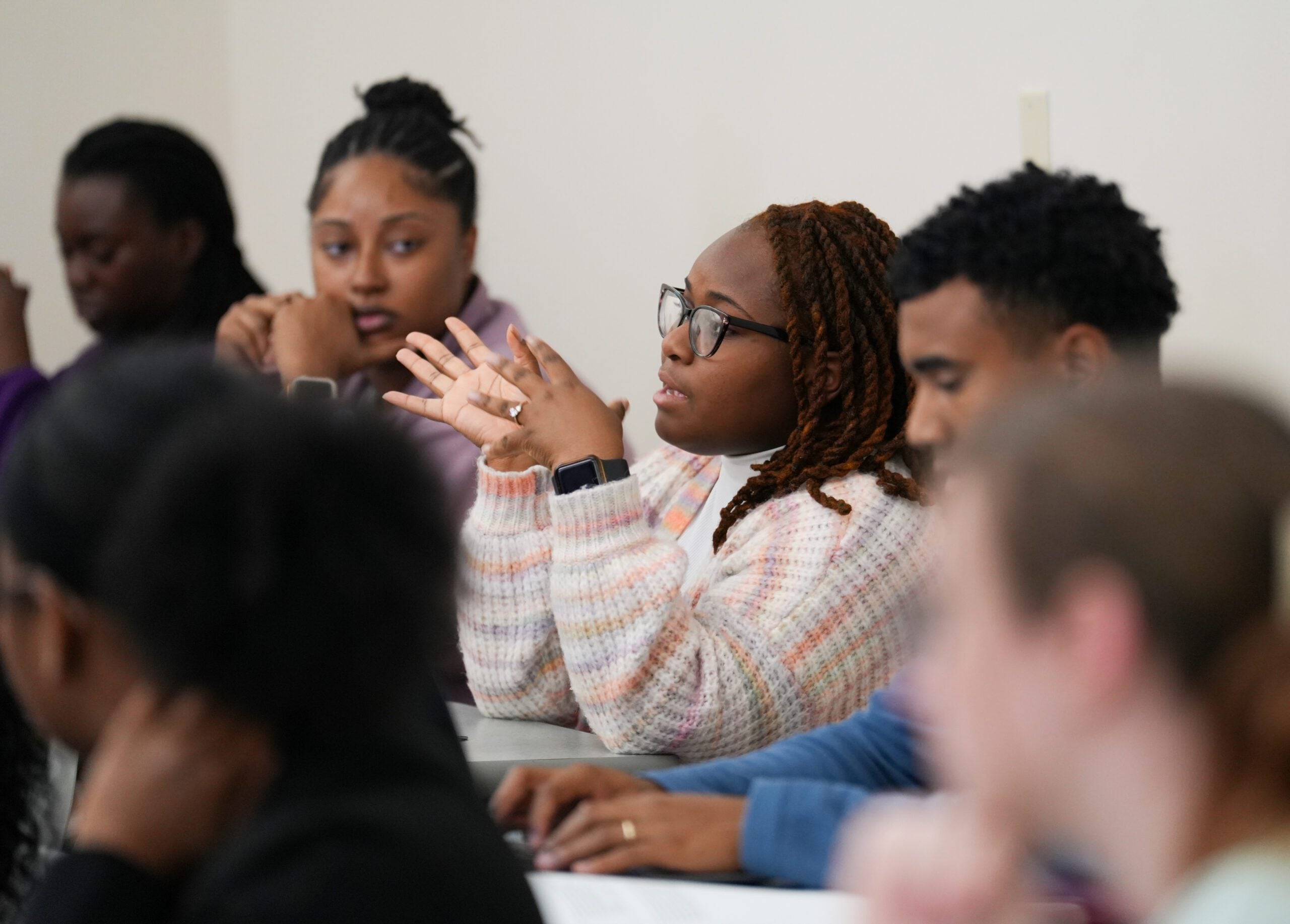
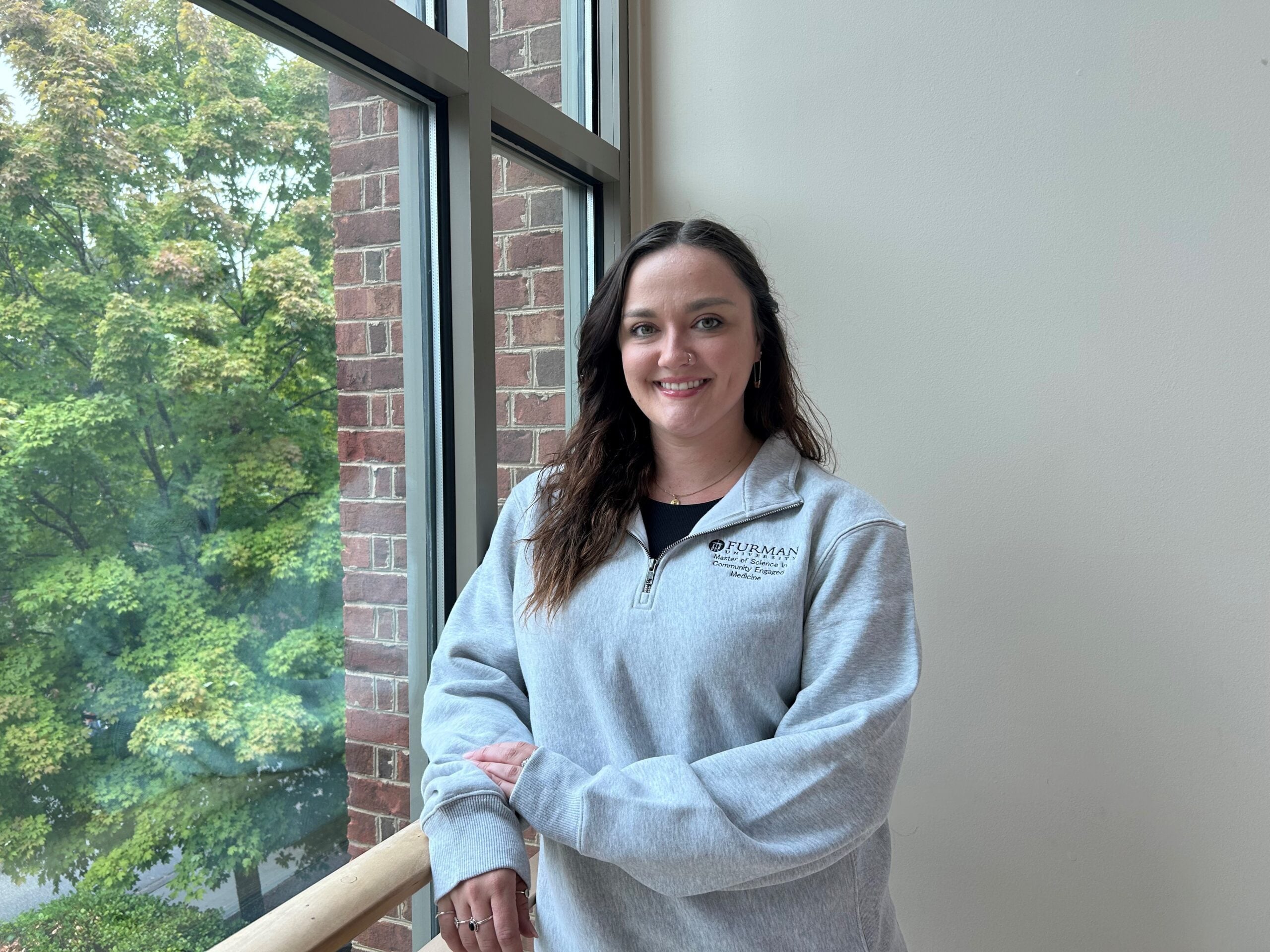
WHAT IS AN M.S. IN COMMUNITY ENGAGED MEDICINE?
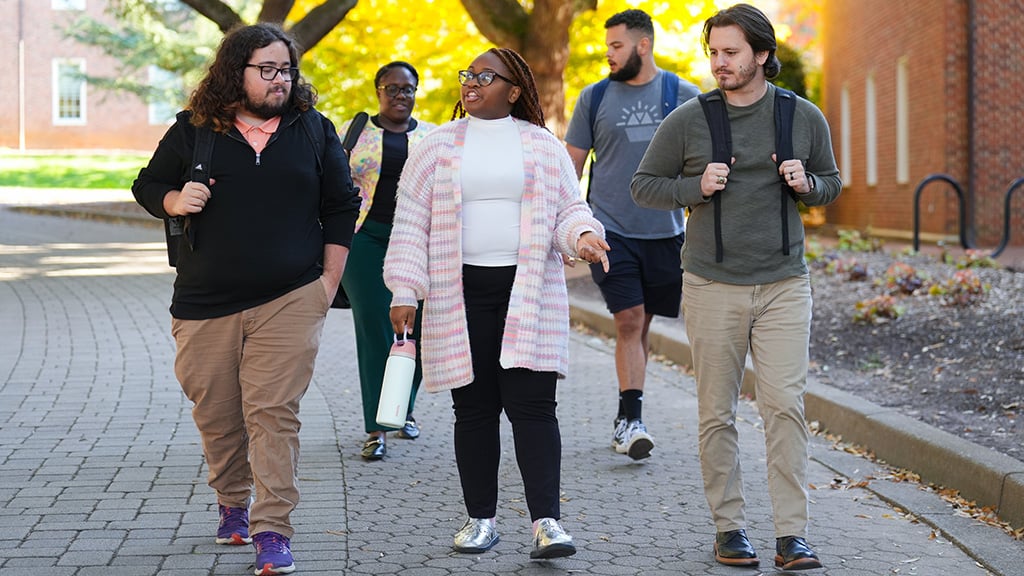

WHERE MEDICINE MEETS HUMANITY
The health of a person is inextricably linked to the health of the community. Medical providers and leaders are growing increasingly aware that effective health care extends beyond the clinical setting and must engage the community as a whole. The Master of Science in Community Engaged Medicine is a 12-month graduate program that puts students into the field to learn about health disparities firsthand, leading to an advanced understanding of biomedical science and population health and all the social and biological factors that can affect health.
-
#12MOST INNOVATIVE SCHOOLS- U.S. NEWS & WORLD REPORT
-
Kaplan test preparation provided for professional examinations such as the MCAT, DAT or GRE
-
99.6%PERCENTAGE OF FULL-TIME FACULTY WITH HIGHEST DEGREE IN FIELD
Application
Are you ready to apply?
Meet our Faculty
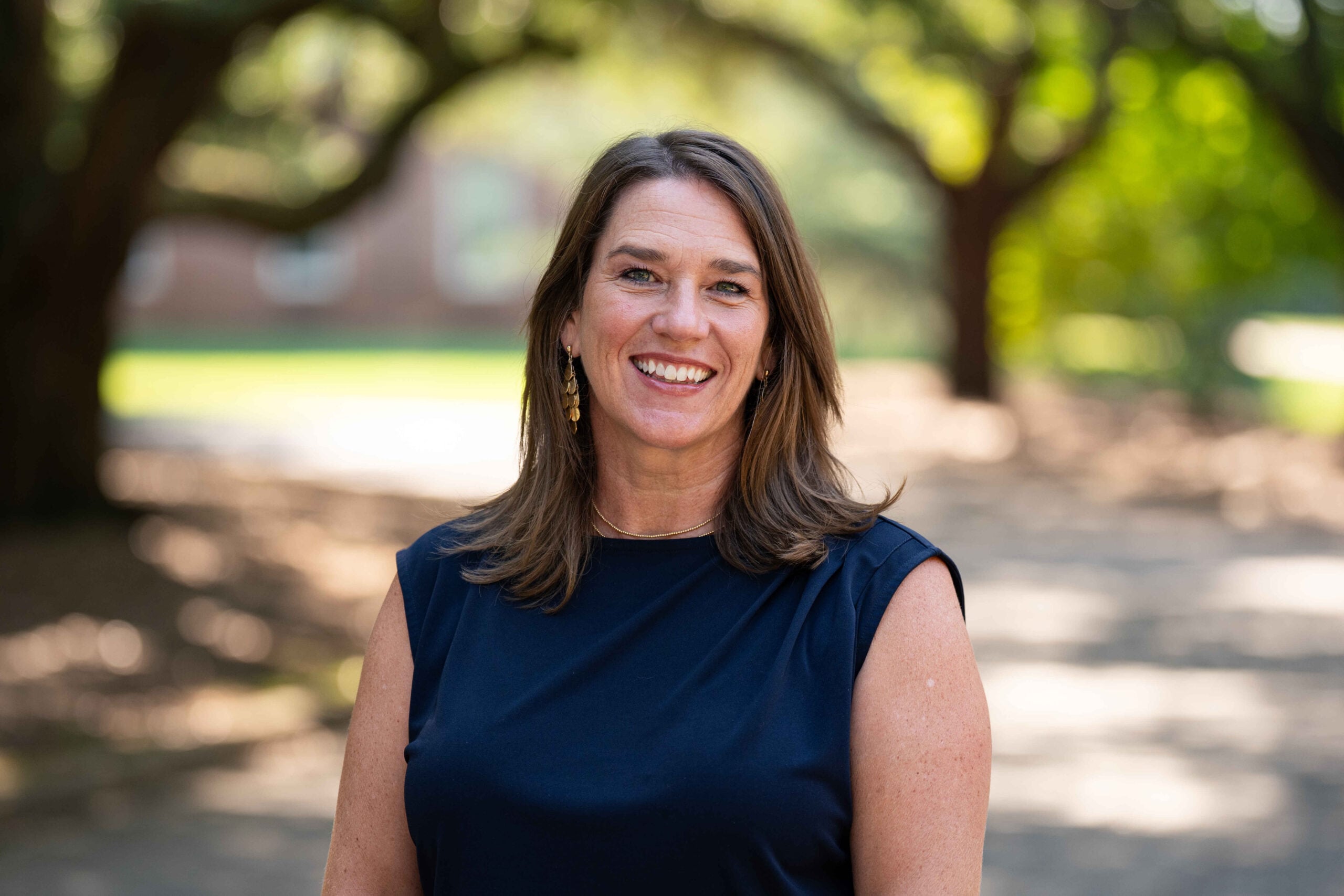
Anna Cass
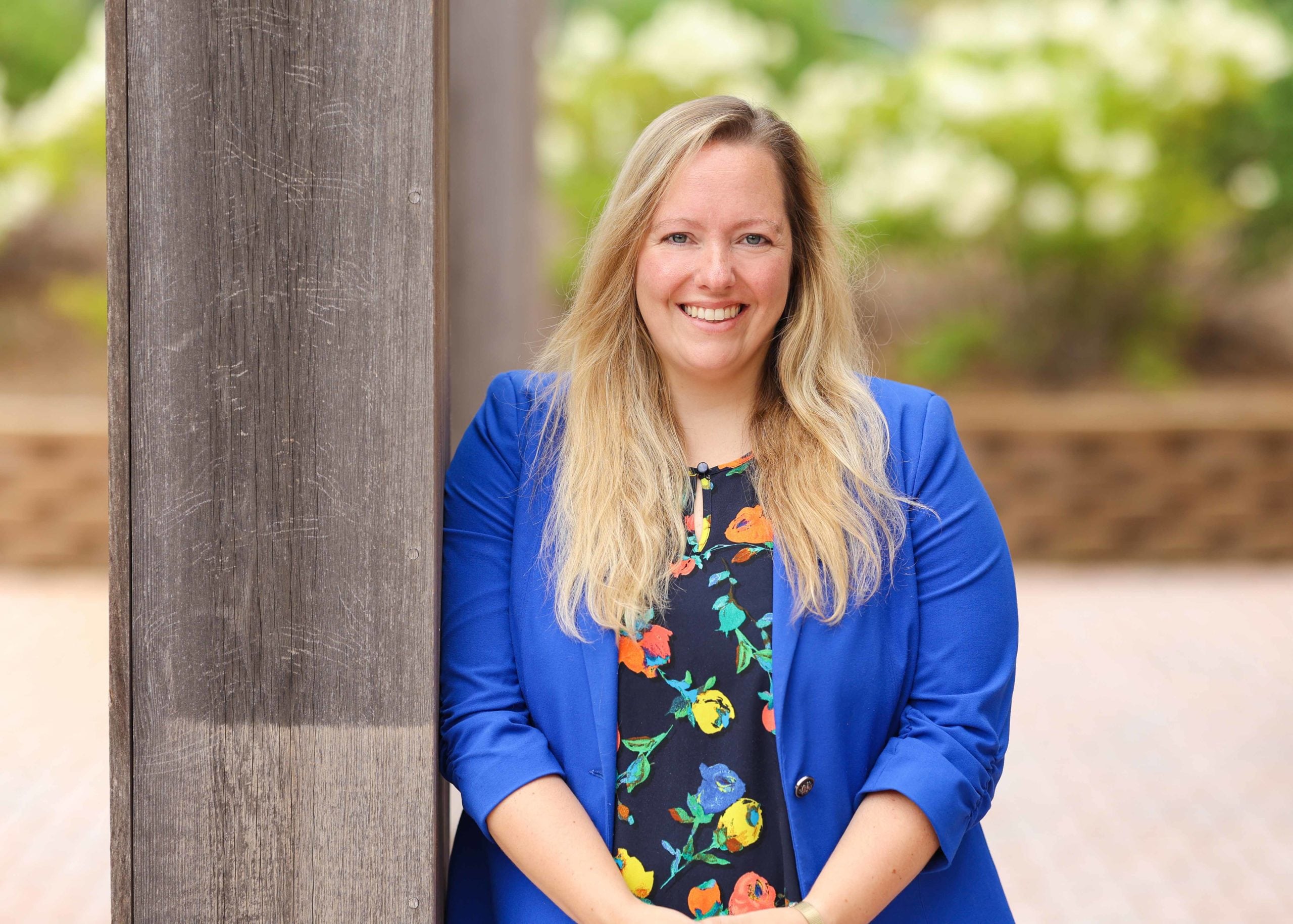
Katie Beeson
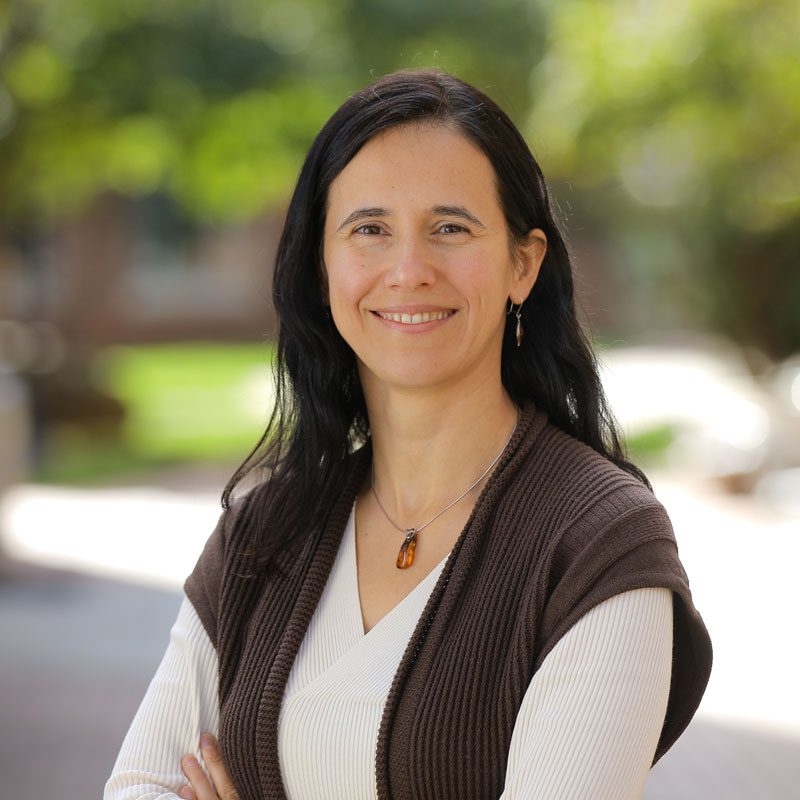
Mara Robu
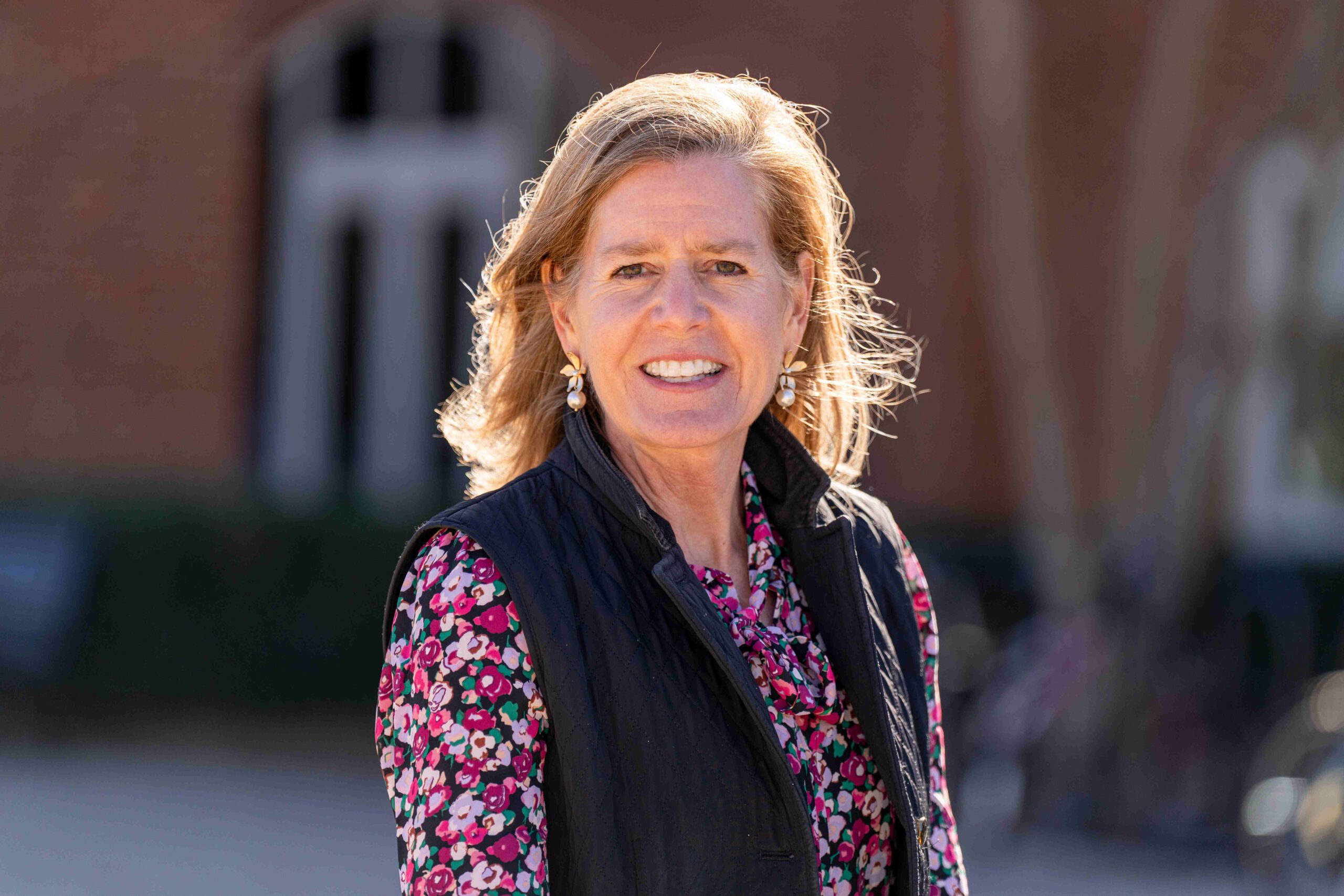
Loretta Crowley
John Banisaukas

Julie Linton
Al Mina
Rebecca Russ-Sellers
Megan Richmond
Heath Burton
Abby Hope
Jody Teel

FAQs
Community health is a multisector and multidisciplinary collaborative enterprise that uses public health science, evidence-based strategies and other approaches to engage and work with communities, in a culturally appropriate manner, to optimize the health and quality of life of all persons who live, work or are otherwise active in a defined community or communities.
The U.S. Office of Disease Prevention and Health Promotion defines a health disparity as “a particular type of health difference that is closely linked with social, economic and/or environmental disadvantage.” Race, ethnicity, sexual identity, age, disability, socioeconomic status and geographic location can all affect an individual’s ability to achieve good health. The concept of community engaged medicine works to overcome these disparities and to improve the health of all groups.
Some recent studies have shown that racial and ethnic minorities and women receive less accurate diagnoses, less extensive treatment options and less pain management, and suffer worse clinical outcomes. Implicit bias training in a community setting can help practitioners become aware of and work against these unconscious biases, thereby providing better care for their future patients.
$870 per credit, or $32,190 total.
Apply today by visiting our Begin Your Application page.
Contact Us
Have questions? We’re here to help.
Click the link below to request more information about our program. If you have additional questions, please contact the assistant director of graduate programs.
[email protected] | 864.294.2023
Community Engaged Medicine Stories
-
 A Different Kind of Experience: MS-CEM’s Fieldwork
 -
From Exam Room to Classroom: Dr. Al Mina’s MS-CEM Anatomy and Physiology Course
-
Anna Cass Connects Medicine With Humanity
-
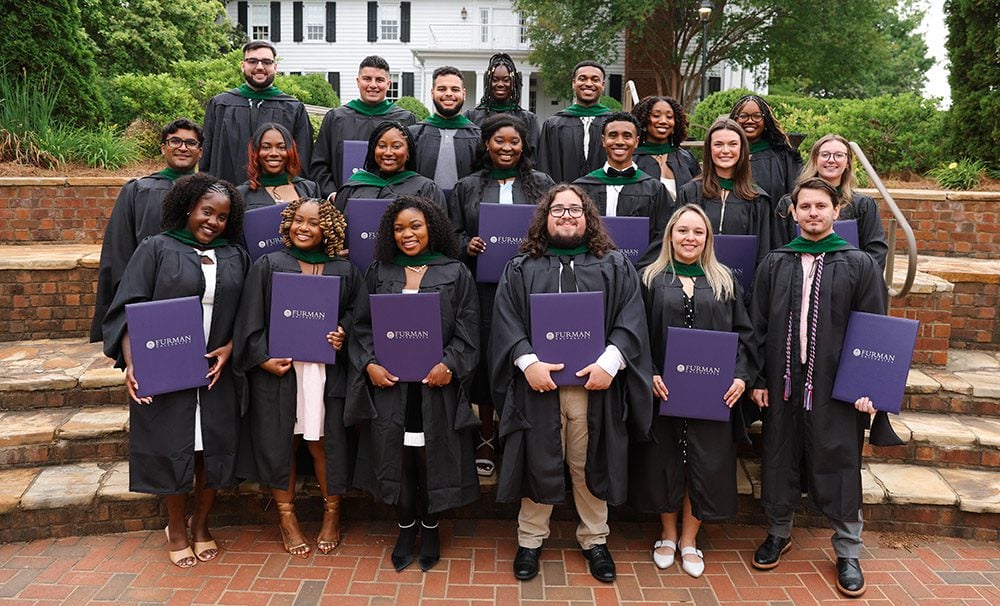
Junie Mertus, MS-CEM ’26 Hooding Ceremony Speech
-
Bridging Scholarship and Service: Exploring Community-Engaged Medicine
-
Community Engaged Medicine Program Fosters Curiosity in Student