Medieval and Early Modern Studies Minor

Table of Contents
WHAT IS A MEDIEVAL AND EARLY MODERN STUDIES MINOR?
Furman’s medieval and early modern studies minor provides opportunities to engage in courses whose topics span the globe. The interactions and exchanges that existed across this broad time period have often been categorized under periods or epochs such as Middle Ages, Age of Discovery, Renaissance, Reformation, and Enlightenment in European-based scholarship.
The medieval and early modern studies minor will equip students to consider the ways in which many features of the modern world which continue to shape our contemporary reality have deep roots in the experience of the Middle Ages. The subsequent early modern period (into the 18th century) was decisive for the emergence of new civilizational norms and experiences across a wide range of human activities.
While you develop disciplinary expertise within your major; this minor brings your interest and expertise into conversation with a broader approach in different disciplines and periods.
Why study medieval and early modern at Furman?
As a private liberal arts and sciences university, Furman provides an exceptional environment for multidisciplinary studies, allowing students to find connections between multiple areas of interest. Our medieval and early modern studies minor is truly global in scope and includes course options from 11 academic disciplines. Take a look at the available courses to discover some of the topics, periods and regions that you’ll be able to encounter. Furman’s signature approach means you’ll collaborate with professors who know your name and who are among the best in their fields.
Plan a visit to Furman’s beautiful campus or start your application today.
How will you learn?
With more than 50 possible courses counting toward the minor, the medieval and early modern studies minor provides numerous paths toward exploring these vibrant periods. Currently 18 different faculty members across 11 different academic disciplines teach courses that incorporate medieval and/or early modern issues.
Students take courses from at least three different disciplines. In the MEMS minor, we teach introductory survey courses, study away courses and upper-level special topics courses. From small class sizes to opportunities to work with professors in one-on-one advanced research, our students are able both to explore a wide range of topics and focus their growing expertise into their own individual interests.
After declaring a minor, students will have an advisor who will help them develop a plan that will enable them to explore topics closest to their passions. Participation in our minor’s symposium course will foster discussions and comparative approaches across many of the disciplines which engage in medieval and/or early modern studies. Though not a requirement for the minor, students are encouraged and will also have opportunities to develop collaborative research projects with participating faculty, including full-time, funded research during the summer.
Featured Medieval and Early Modern Studies Minor courses:
For the full list of courses offered in the minor, see the Furman catalog:
View All Courses
Medieval and Early Modern Studies Minor FAQ
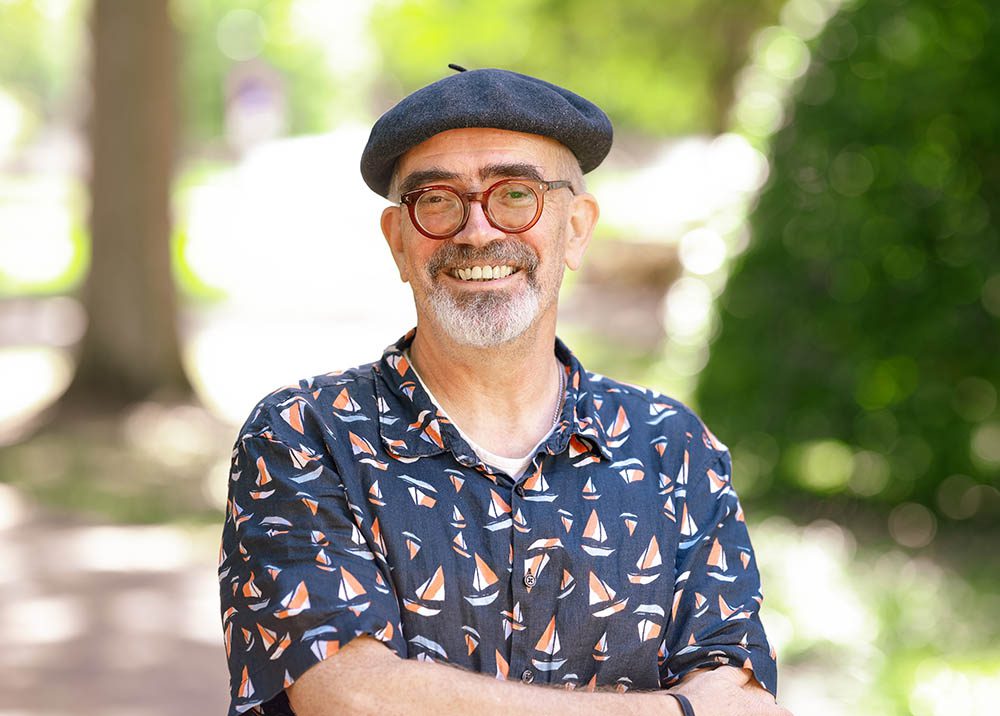
Like declaring a major, you will meet with the chair and complete a declaration form. As you meet with the MEMS minor chair, Timothy Fehler, you will discuss your interests, possible pathways and opportunities, and receive an academic advisor for the minor.
While students are not required to have a minor, there is no limit to the number of minors they can declare.
Because Furman’s minors are all interdisciplinary (requiring courses from at least three different disciplines), they provide a marvelous opportunity to explore areas of interest beyond their major(s) from multiple perspectives. As students to discover further connections between subjects, they also sharpen their analytical and problem-solving skills provided by this multidisciplinary work and become more appealing to future employers and professional programs.
Our faculty
Your academic advisor will help you explore your passions, define your interests and achieve your goals. You’ll tap into a widespread network of community and alumni mentors to help you on your individual educational path – and to the opportunities at the end of it.

Timothy Fehler

Abigail Hartman '17

Tuğçe Kayaal

Lane Harris

John Barrington

Kylie Fisher
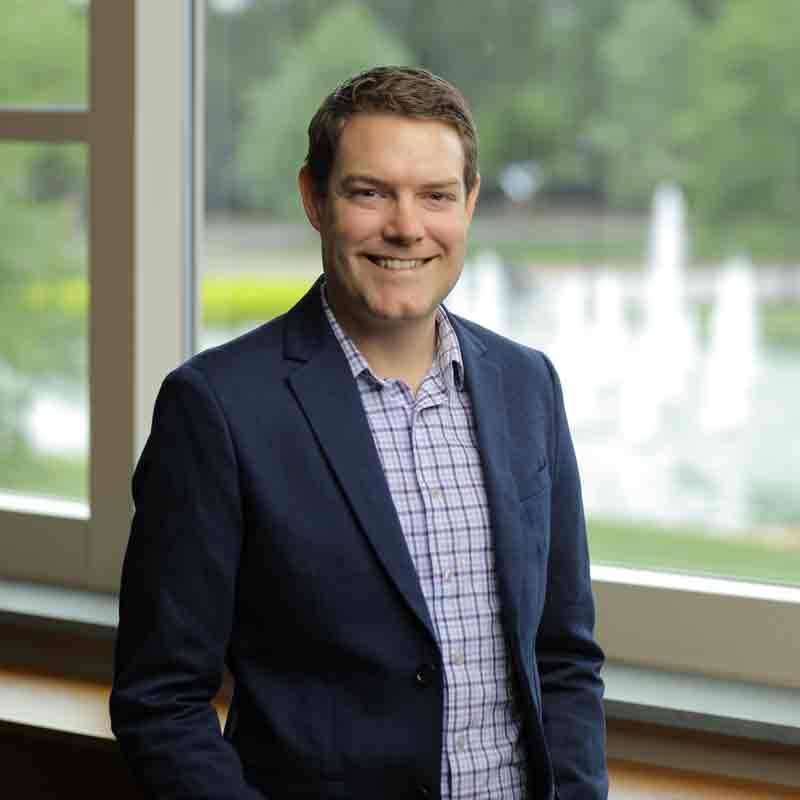
Nathan Brown
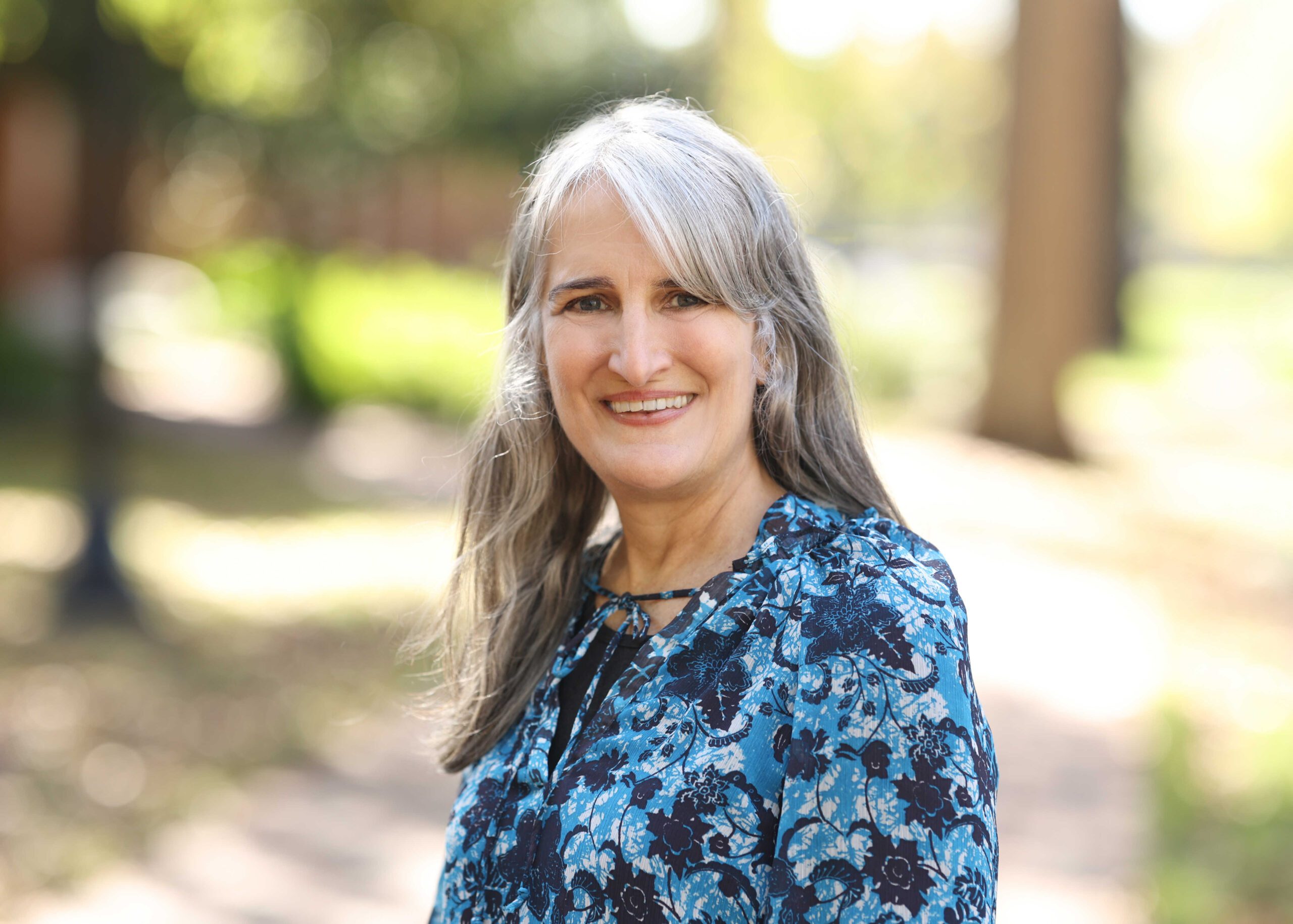
Jeanne Provost
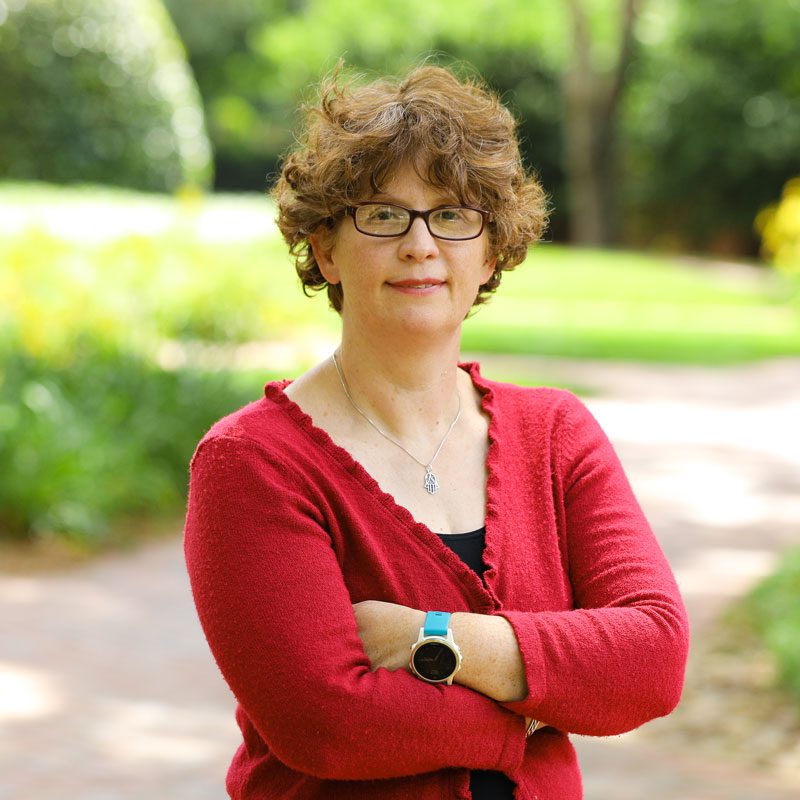
Melinda Menzer
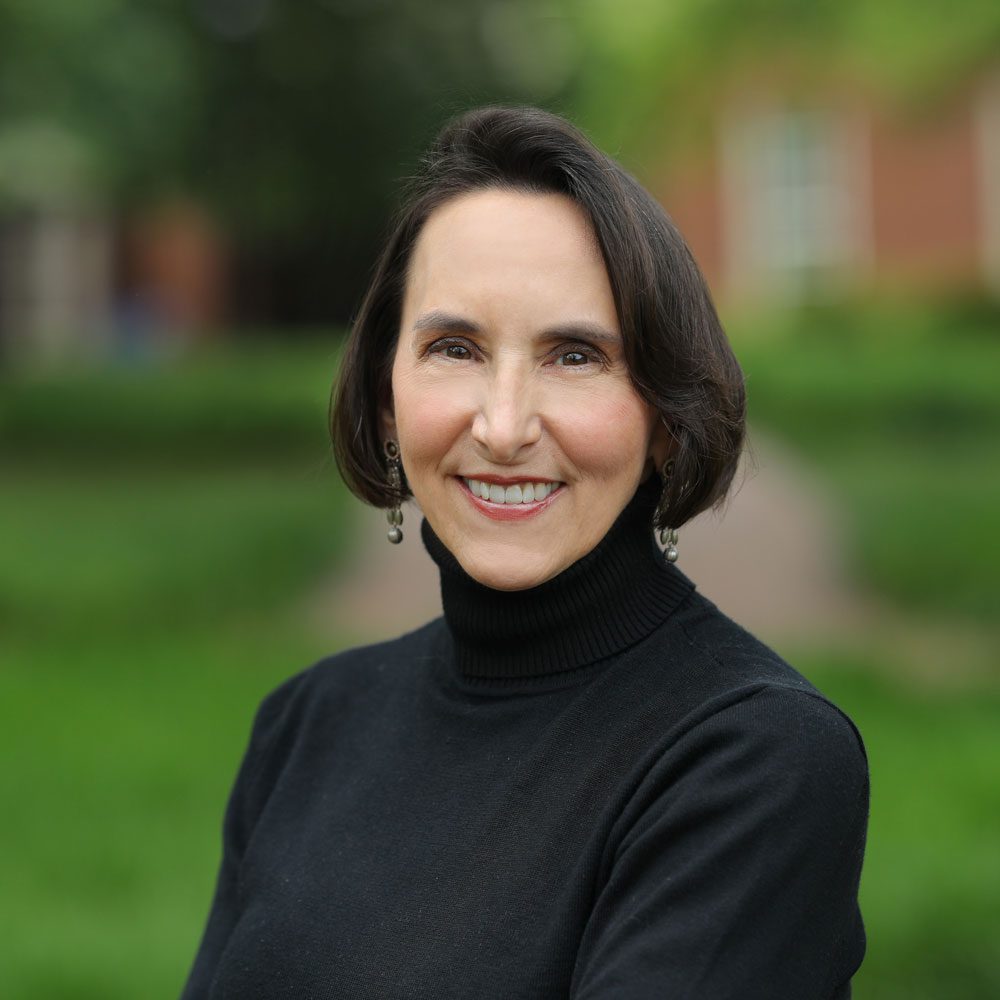
Margaret Oakes
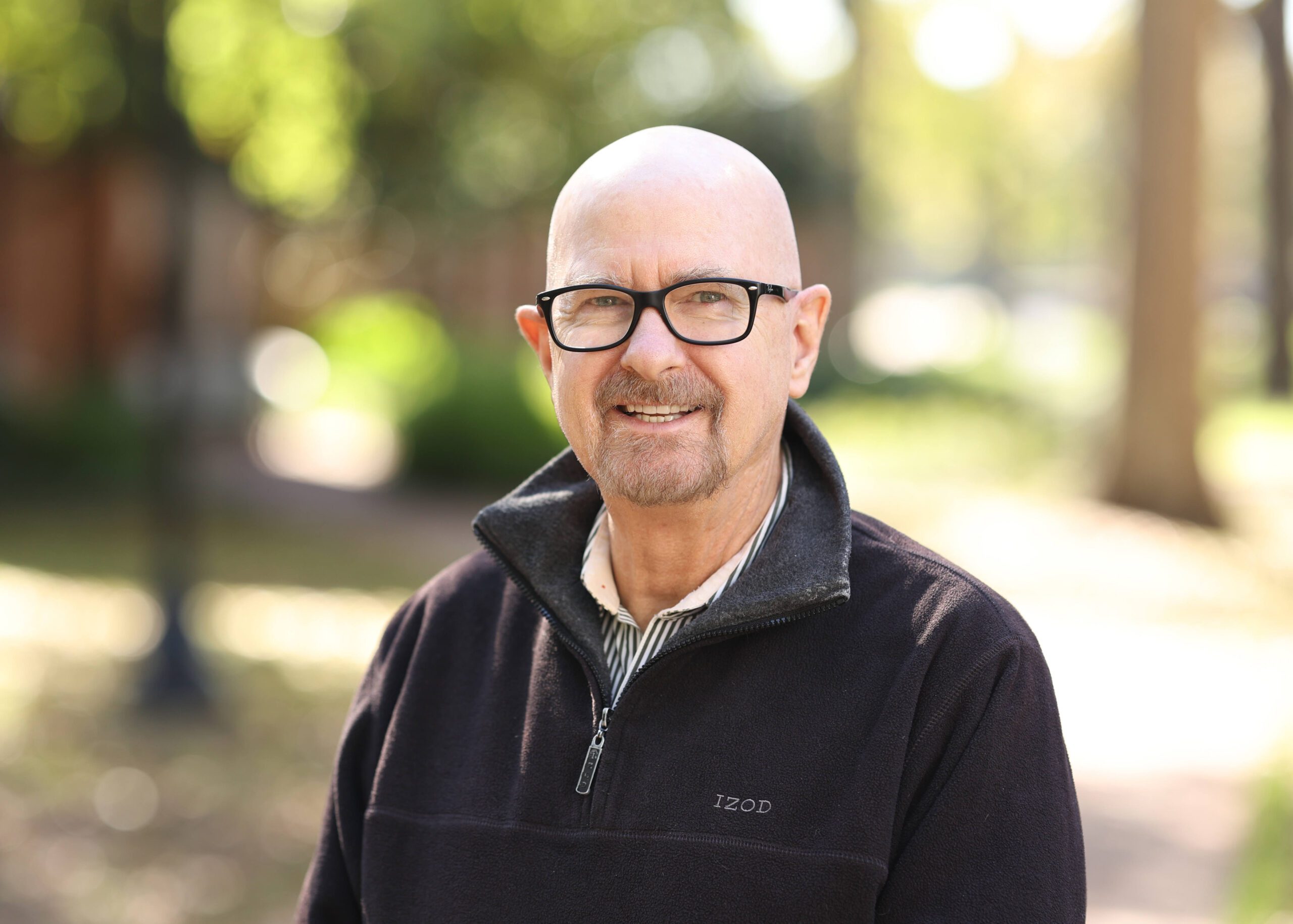
Nicholas Radel
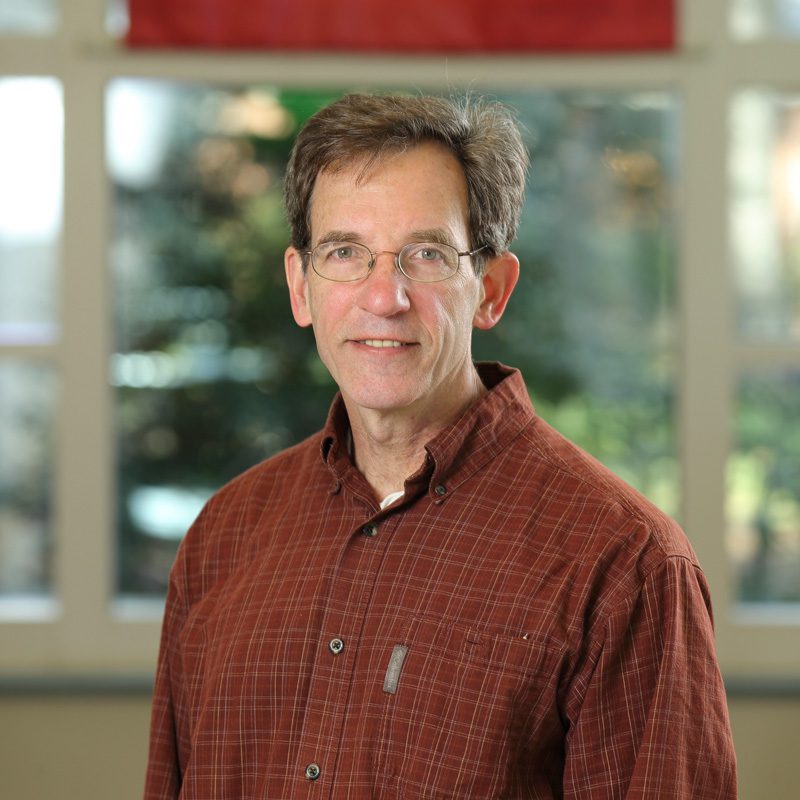
Mark Stone

Robert L’Arrivee
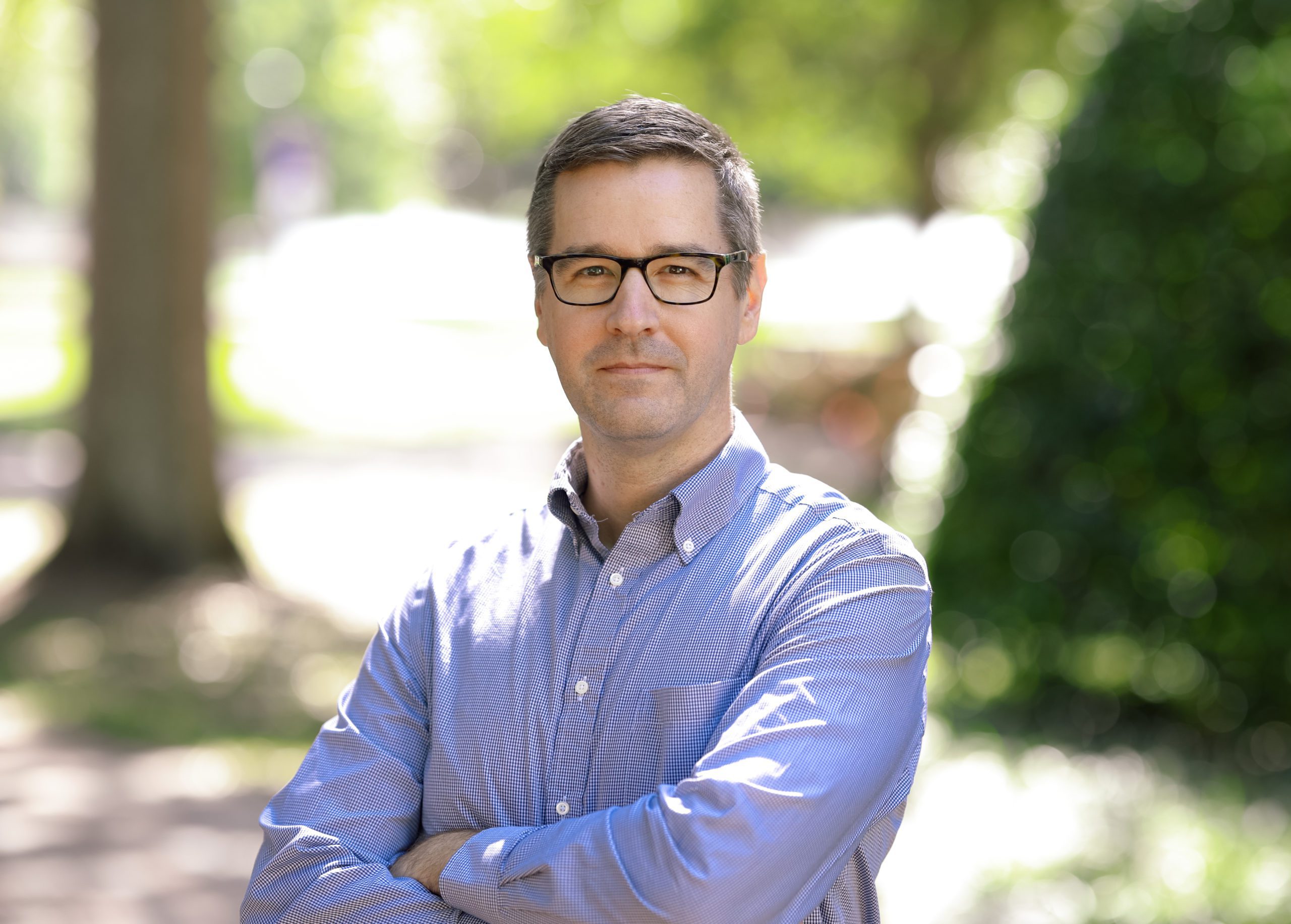
David Fink

Victoria Montrose