Blog
From Code to Community: Technology’s Role in Sustainability
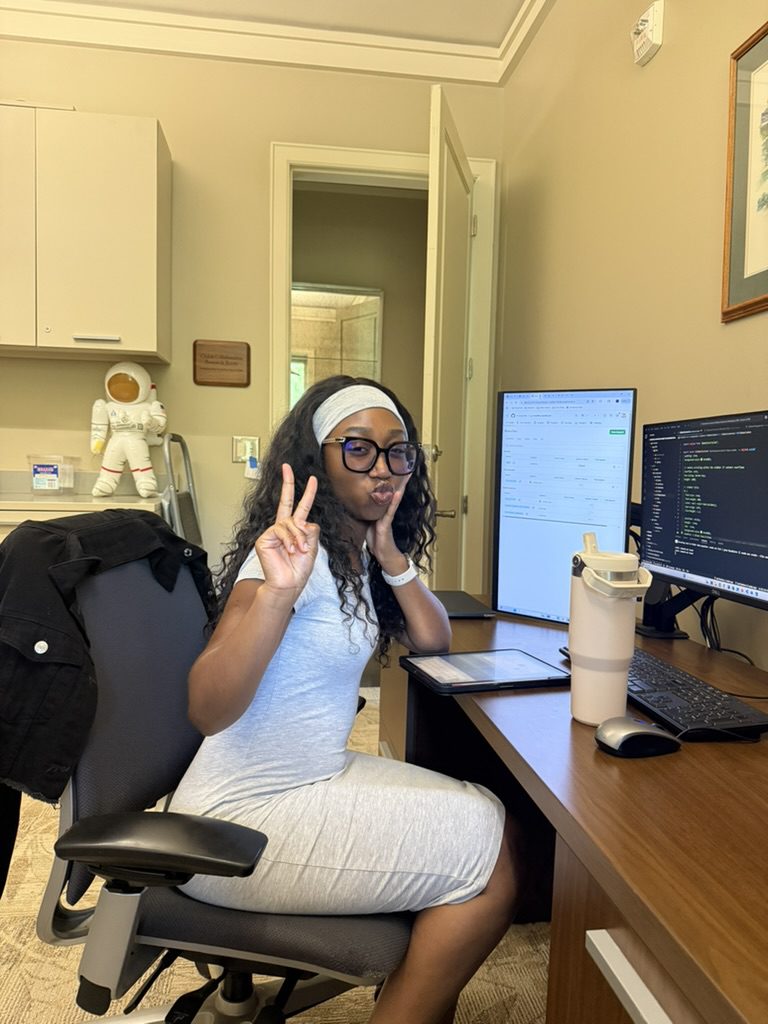 “Why are you working at Shi? You’re a computer science major with a minor in data analytics. How will you work at the farm?”
That was the question my friend asked when I shared that I had accepted a Shi fellowship. They had already assumed the nature of my internship before I had the chance to describe it.
Throughout the summer, I had similar conversations. I realized that many people, myself included, saw sustainability as only outdoor or environmental work, but that could not be further from the truth. My experience as a Climate Resilience Analyst revealed just how diverse and multifaceted this field can be.
My name is Tanyaradzwa Masvimbo, and I am a rising senior. Going into this internship, I expected to support climate risk research through data analysis. But when the internship started, we had just one primary project, and its data was on public transportation, not climate risk. I was uncertain about how I could contribute meaningfully because much of the initial analysis had already been completed. However, I became less nervous when our team was tasked with helping the applied research group complete a web dashboard that would encourage investment in and support for Greenville County’s public transportation.
Reliable public transit is not just a convenience for students like me. It is a lifeline for people without cars or licenses to get to work, for students traveling to school, and for elderly residents to move around safely.
I worried about disrupting the existing codebase, especially since I had only a week to learn JavaScript before contributing to the project. So, I drew on my restorative and learning strengths, took the initiative to ask the right questions and gradually found my footing. Eventually, I was writing programs, designing interface elements, and even creating the custom icons that will appear on the dashboard.
By the end of the summer, I had not only strengthened my coding skills but also developed an appreciation for graphic design, teamwork, and communication. More importantly, the project taught me lessons that went beyond technical skills. Working on the dashboard helped me understand that sustainability is not only about protecting the environment, but also about creating communities where everyone has access, safety, and support.
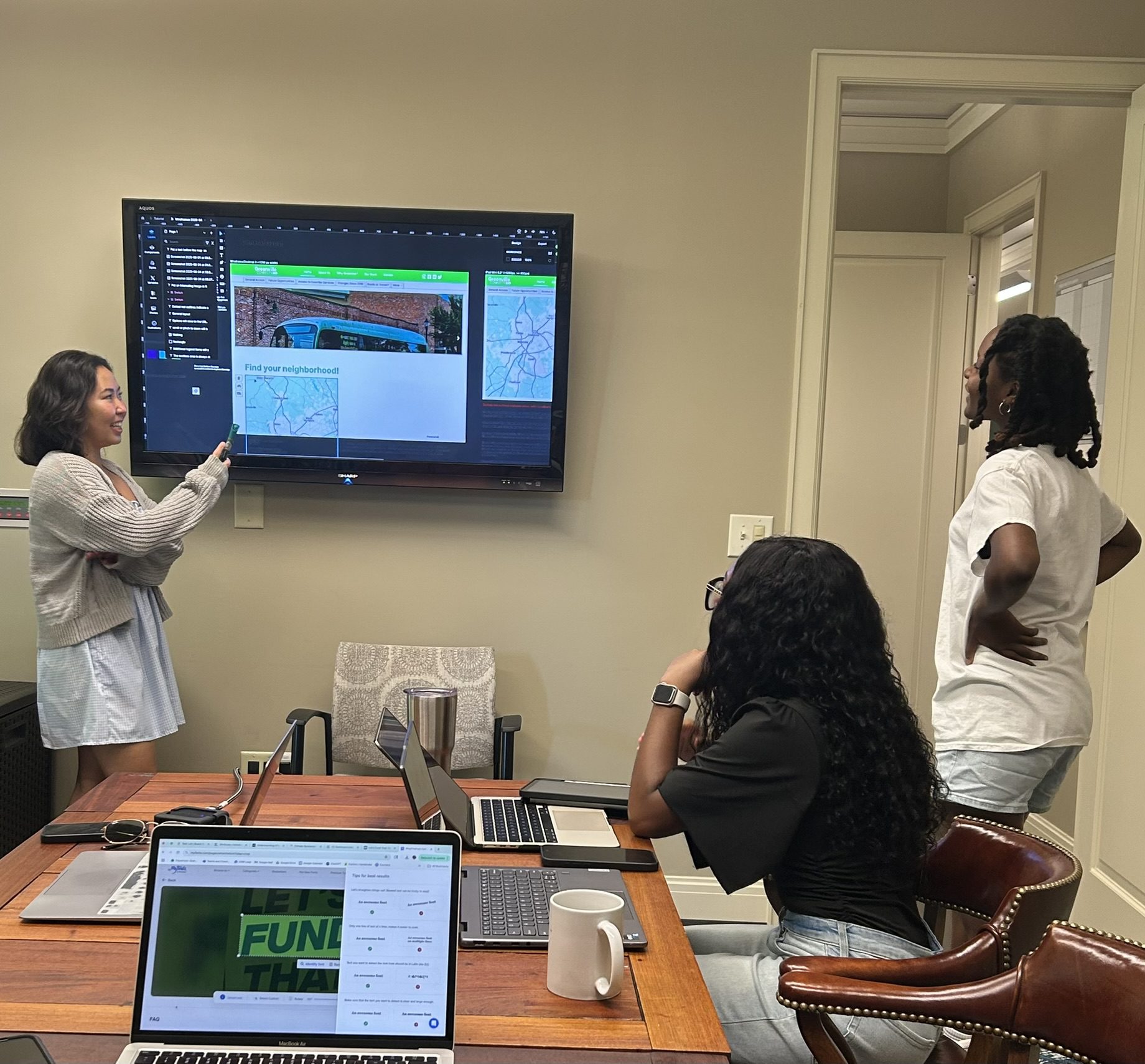
Tanya Masvimbo, Vanessa Amasi, & Aru Sakhariyanova in a Design Meeting
True sustainability requires recognizing societal gaps and working to close them, perhaps by putting the essential needs of others before our own comfort. And improving public transportation is just one step toward creating a more connected and equitable community.
So, the next time someone asks why I chose to intern at Shi, I will say this: making an impact does not require an education in sustainability. Each of us can adapt our skills to serve our community and create meaningful, lasting change. How can you use your skills to contribute to a more sustainable community?