Lecture Summary: Esau McCaulley, November 13-14, 2024
The Black Experience in America: “How Far to the Promised Land: One Black Family’s Story of Hope and Survival in the American South”
“In one blow oppression has deprived the descendants of the Africans of
almost all the privileges of humanity” — Alexis de Tocqueville, Democracy in America
View “One Black Family’s Story of Hope and Survival in the American South” Here
View “American Patriotism. Discuss” Here
When Intergenerational Trauma, Poverty, and America’s Legacy of Race-Based Oppression Collide to Create the Black Experience in America
Over a century ago, Tocqueville observed during his American travels that “In one blow oppression has deprived the descendants of the Africans of almost all the privileges of humanity” (Democracy in America).
Though slavery came to an end just a few decades after Tocqueville’s visit, the dehumanizing effects of racial oppression have left a lasting legacy that persists to this day.
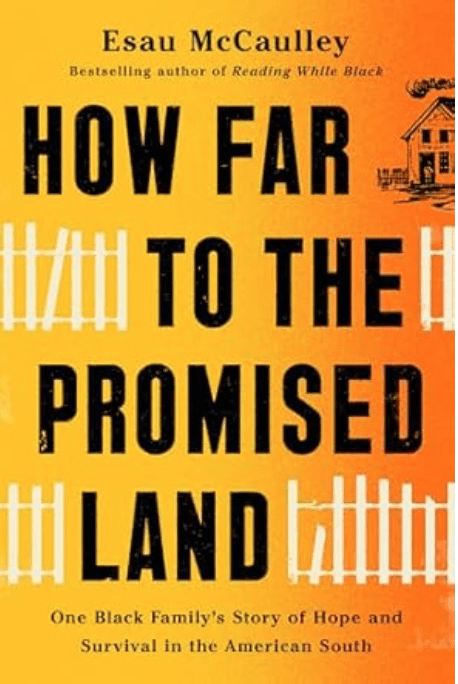
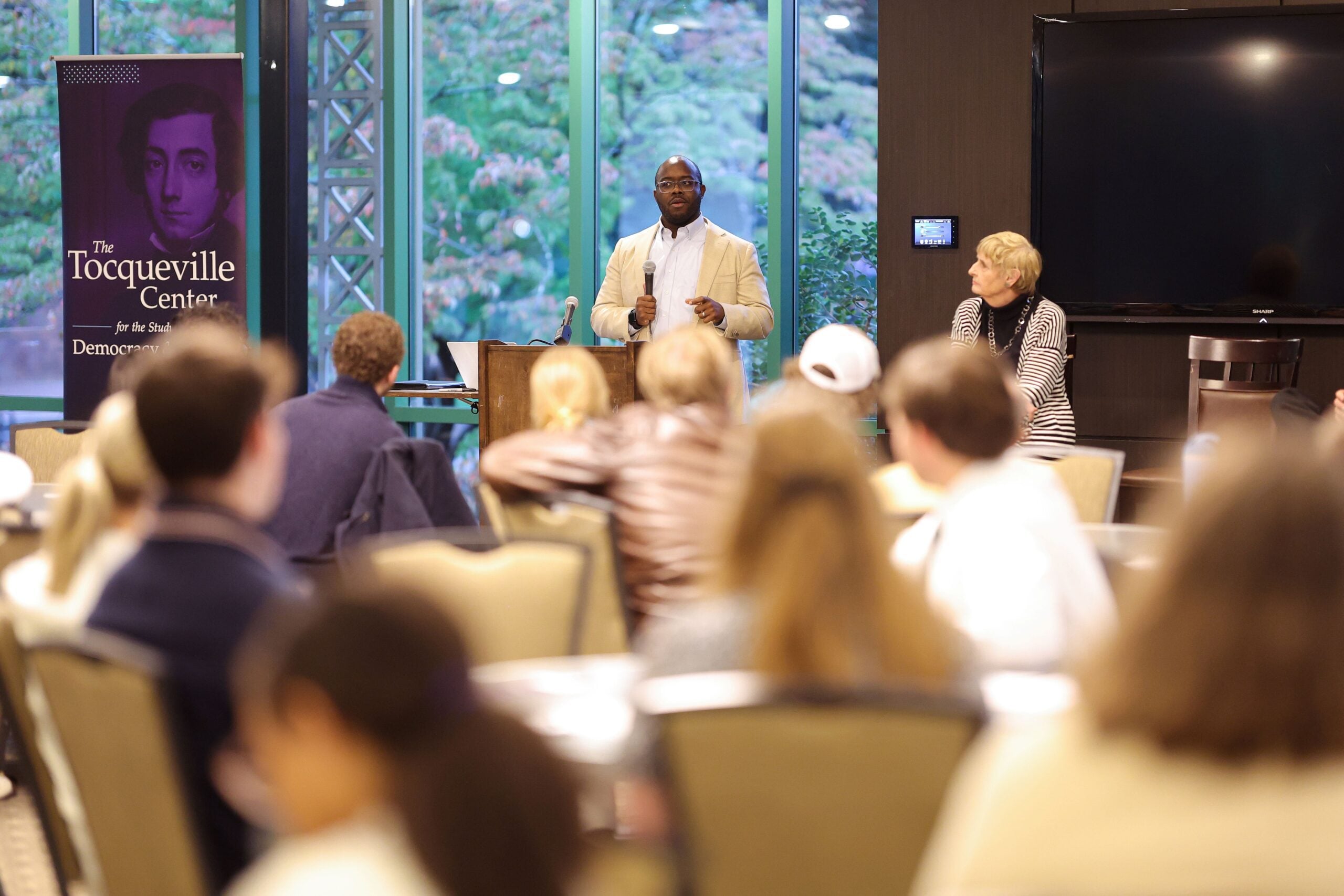
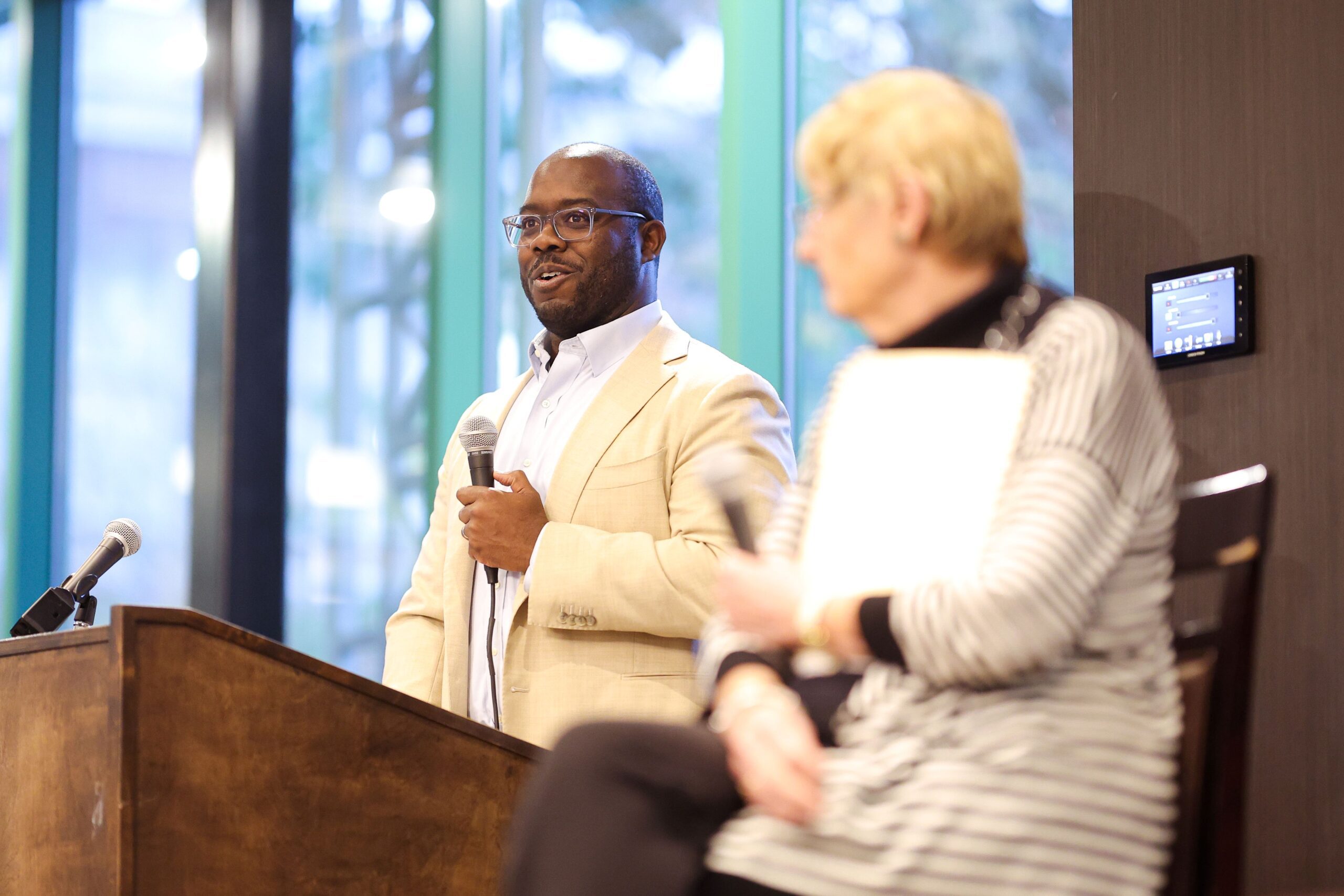
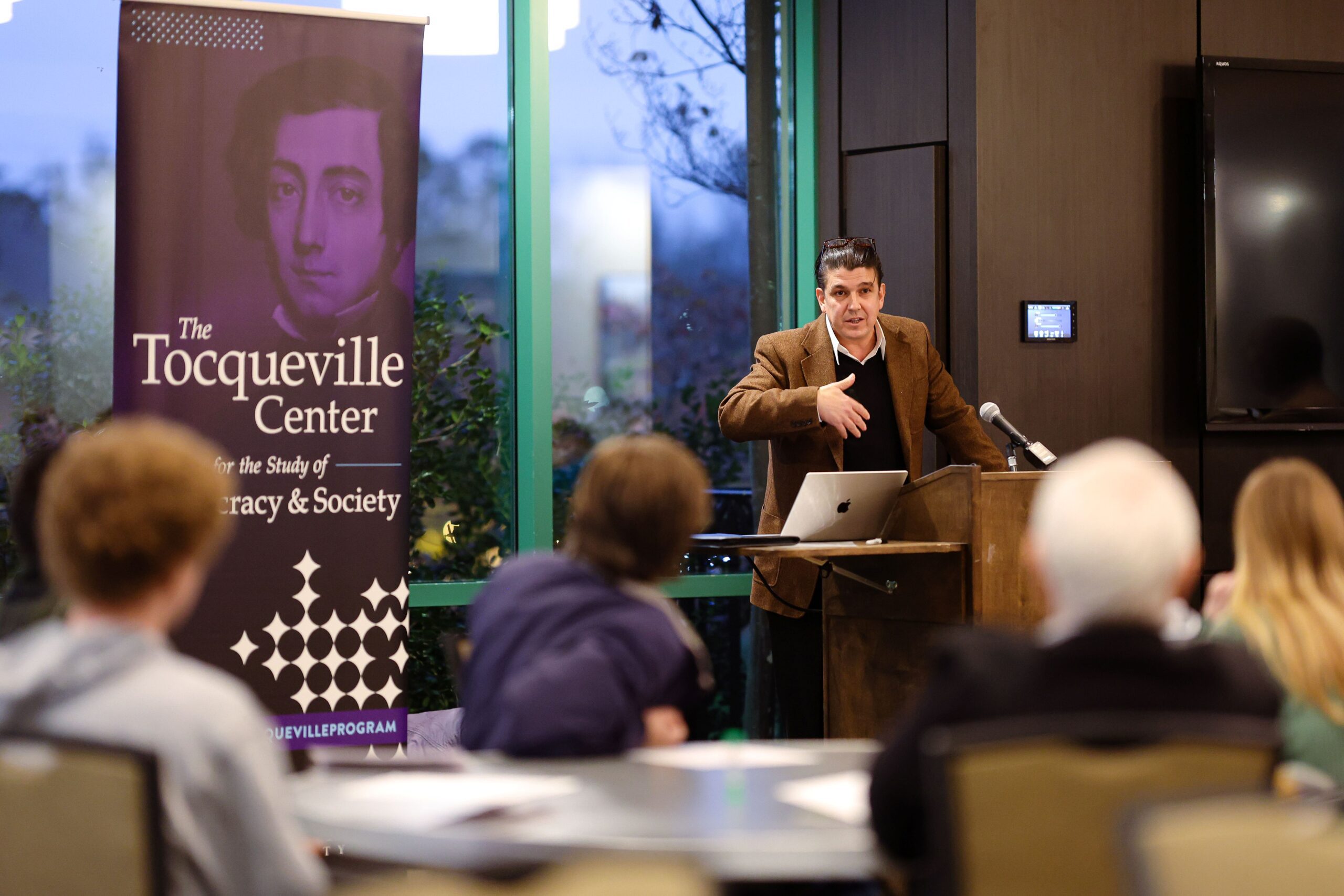
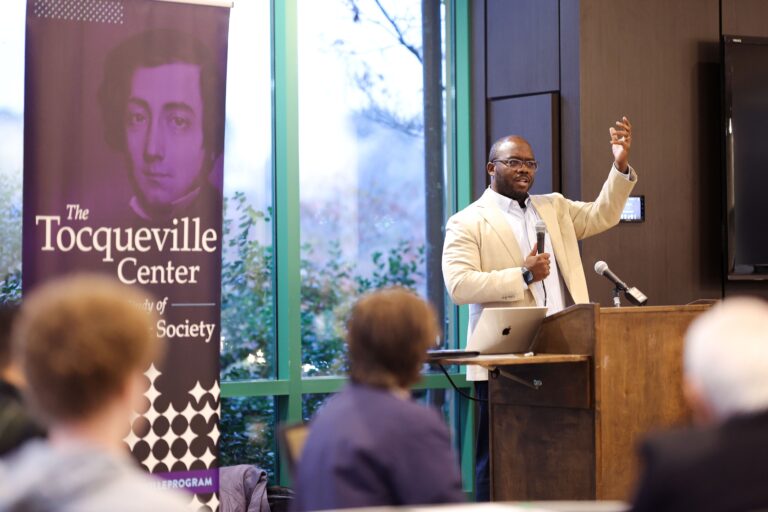
Esau McCaulley (Wheaton College) has experienced this legacy firsthand. His talk at the Tocqueville Center’s recent event on The Black Experience in America was inspired by his newly published memoir, How Far to the Promised Land: One Black Family’s Story of Hope and Survival in the American South (2023).
McCaulley shared how trauma from an accidental fire that took the lives of his grandparents’ two young children, a loan agreement that exploited his grandmother’s illiteracy, and the South’s legacy of poverty and racism, had multigeneration effects on his family’s “journey to safety.” Nonetheless, McCaulley’s deeply personal account culminated in the truth and beauty revealed by his family’s often tragic experiences.

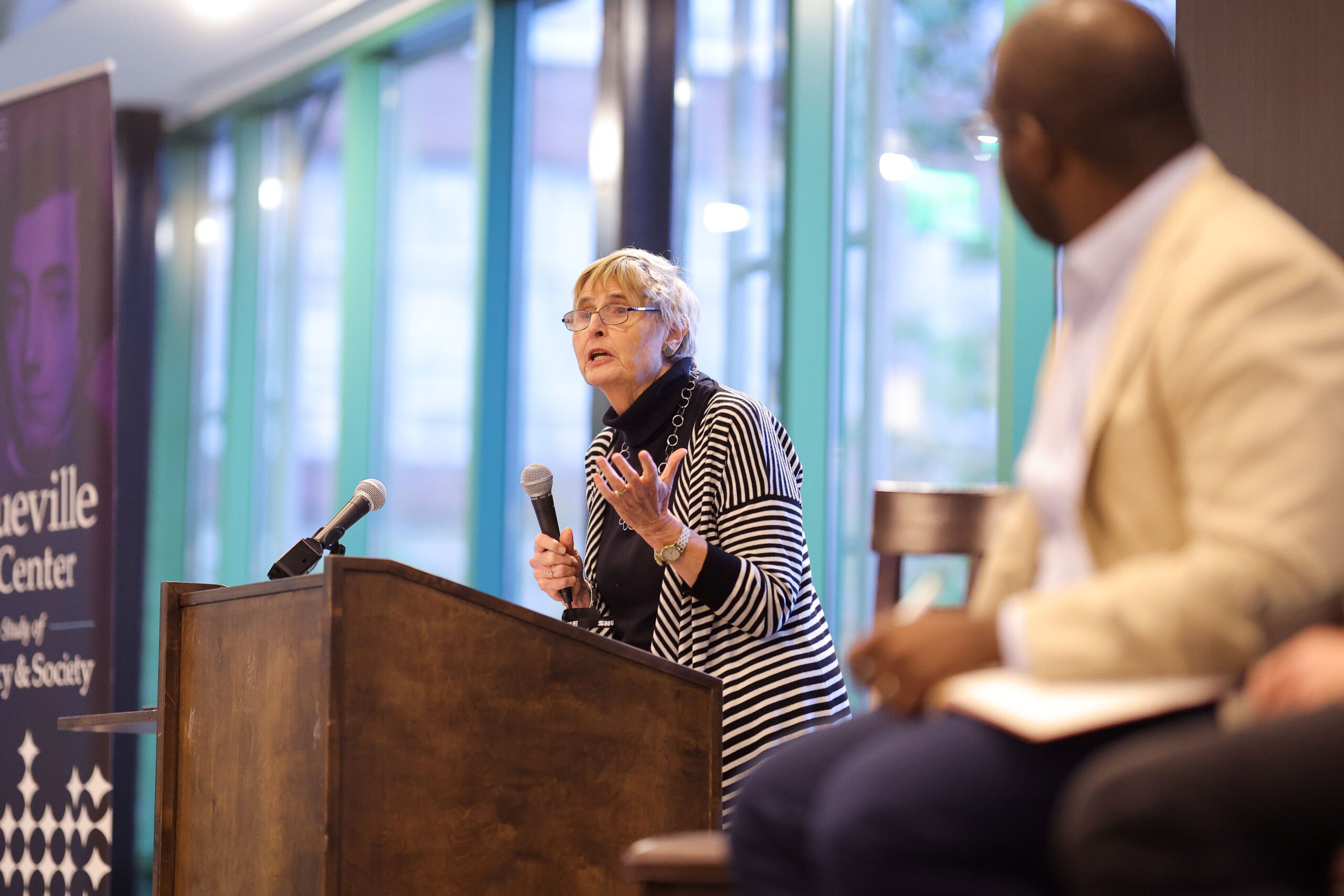
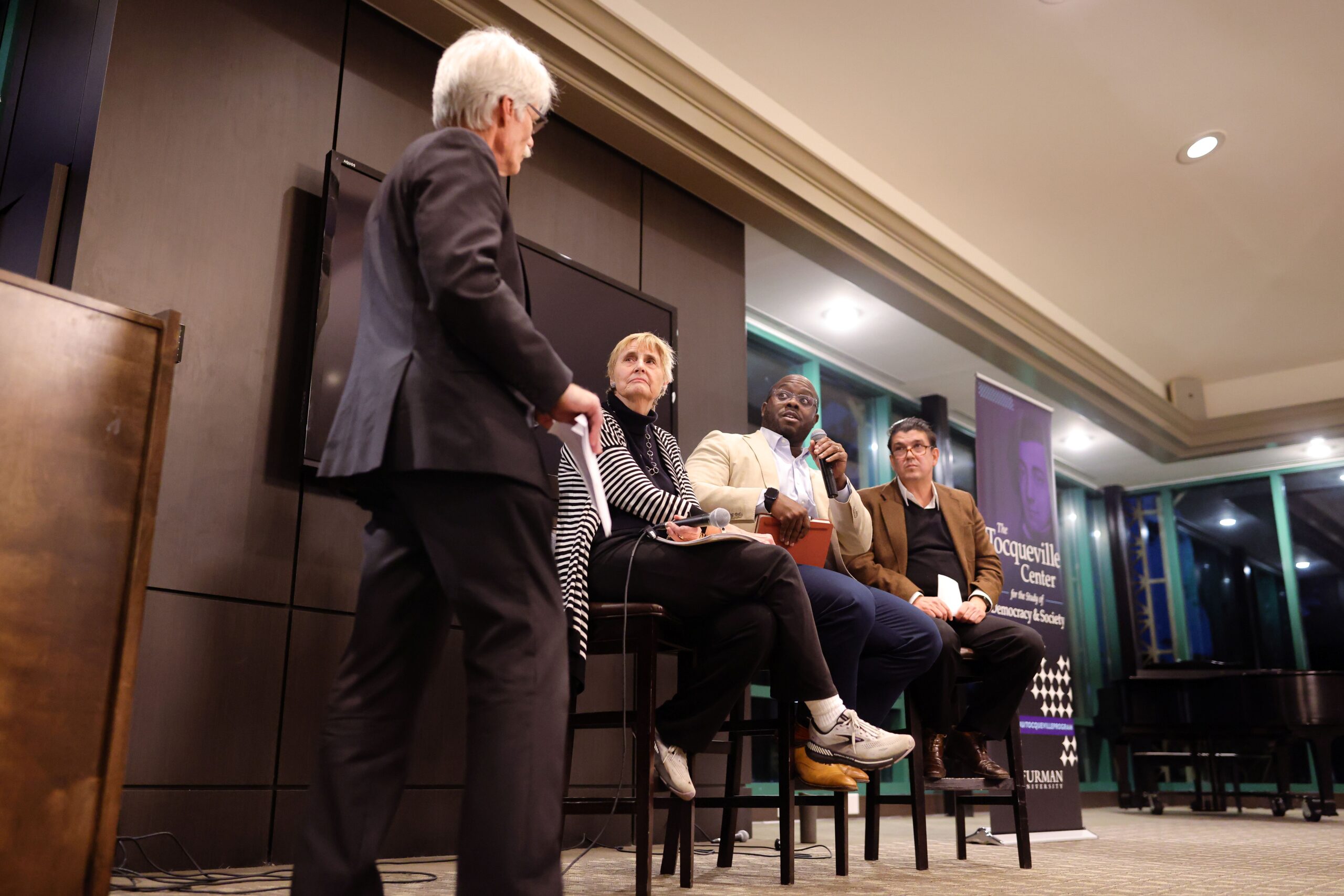
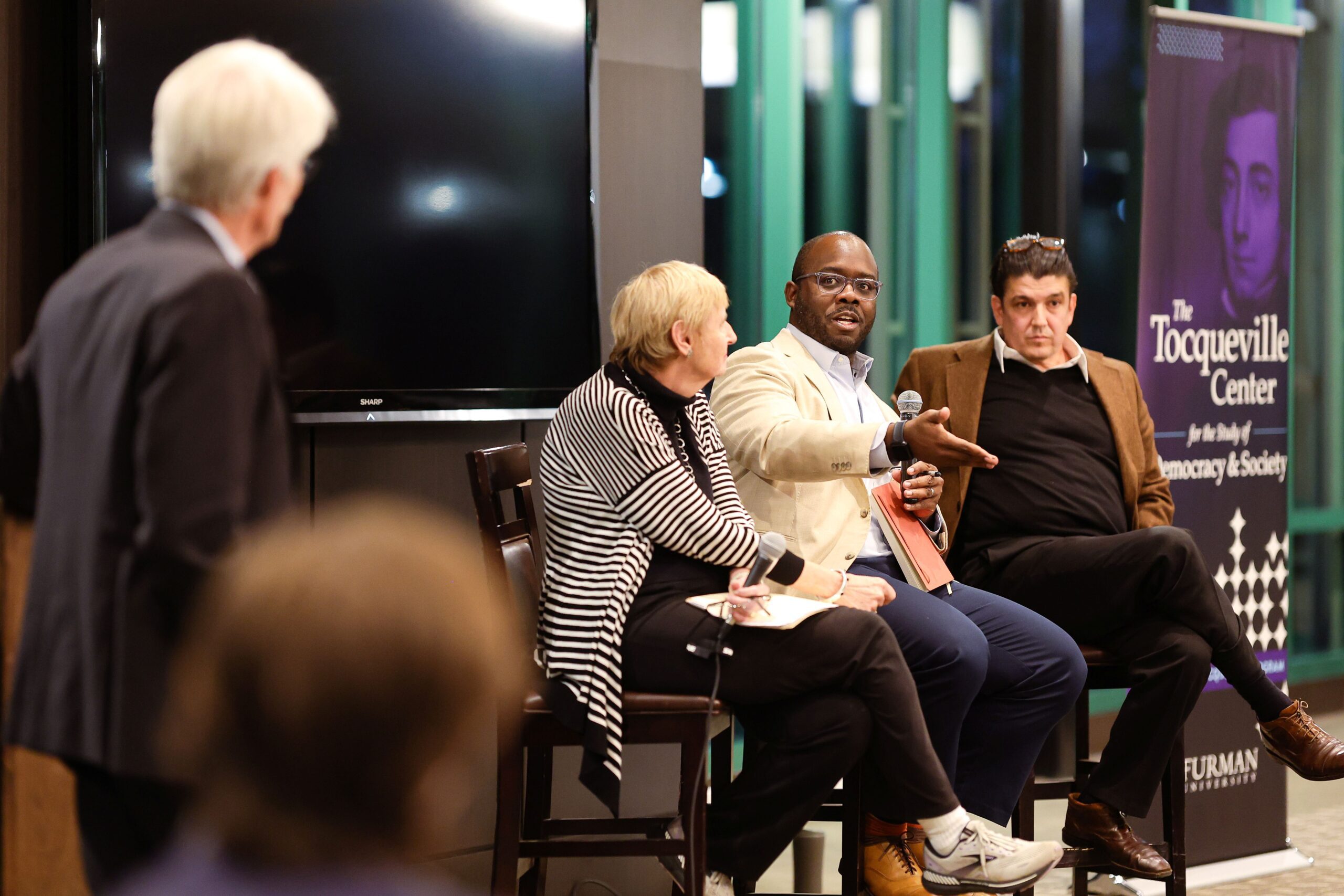
McCaulley’s talk was complemented with a panel discussion featuring Teresa Cosby (Furman, Politics and International Affairs), Onarae Rice (Furman, Psychology and Neuroscience), and Jayquan Smith (Furman Football). Panelists shared their own experiences of being black in the American South, with stories ranging from what it was like to be a black schoolgirl during desegregation; attend a South Carolina college post-desegregation; and experience the crushing effects of black poverty on teachers and students along with racial disparities in the contemporary public school system.
From erudition of arguments to telling his personal story: How Esau McCaulley came to write his memoir
McCaulley’s turn to narrative began when he was finishing his dissertation in 2016. American political events of that year compelled McCaulley to connect with his community, in a DuBois-inspired attempt to illuminate poor black families’ special insights into America.
McCaulley, who is a scholar, columnist, and clergyman, noted that the Bible’s many stories can in certain respects be more helpful than arguments in the search for larger meaning: “Making sense of stories is a way of making sense of God.” Christ reveals the center of the story, in his case a “bloody story,” which produces the “cruciform,” in which the pattern of pain gives way to beauty, much as the pain of the cross gave way to the beauty of the resurrection.
The synthesizing idea that guided McCaulley in his memoir is the image of the vine and the fig tree from the Biblical book of Micah, which follows the cruciform:
Everyone will sit under their own vine and under their own fig tree, and no one will make them afraid, for the LORD Almighty has spoken. (Micah 4:4)
Referencing Martin Luther King Jr.s interpretation, which was inspirational for McCaulley, he related that the story of the vine and the fig tree shows that after a long period of suffering, God shows up, the suffering ends, and safety and peace are attained.
McCaulley concluded that the arguments he was making as a scholar and columnist should be supplemented by the special insights revealed through the stories of his community and family.
A Black Family’s Story of Hope and Survival in the American South
McCaulley’s own story began with his experience of being a child impoverished and traumatized by a partially absent, violent, and drug-addicted father. As an adult, McCaulley was moved to research his father’s troubled life when he had to give his father’s eulogy after he suddenly died in a car accident.
Making the analogy to the Biblical story of Joseph, who was betrayed by those closest to him, McCaulley emphasized that “the people who have suffered have the right to define the meaning of that suffering.” And his own suffering, and his father’s, as he discovered, challenged a certain story of America that minimizes the legacy of anti-black racism.
McCaulley’s paternal grandfather, whose father was a tenant farmer, was directly touched by the legacy of slavery. He labored since 4 years old, picking cotton, and experienced the discrepancies of privilege at the colored school he attended, which which much worse than the white school. The landowner’s family profited from the his grandfather’s labor, a dynamic which eventually forced him to drop out of school. There was active resistance in his town to racial integration in the years that followed.
The fire his grandfather accidentally started later in life ended up killing his two young sons, McCaulley’s uncles. McCaulley’s father, whose birth was meant in part to replace the lost sons, had a childhood tainted by the grief and trauma of his own father’s guilt. Heavy drinking and impossible expectations of replacing the lost sons by the grandfather influenced his father’s approach to life and parenting.
“the people who have suffered have the right to define the meaning of that suffering.”
McCaulley then detailed his own experience of America’s legacy of anti-black racism, recounting learning the “black south driving rules,” such as “don’t drive late at night,” and how he was pulled over in college when he broke that rule. The “violence of economic nihilism” also touched his life when his friend was killed by gunfire. He wondered where God could be found, in the midst of such unpredictable and devastating experiences.
Poor black families’ stories contribute to the story of America
McCaulley ended his story not with grievance but hope. His grandma had inherited land bought by her mother, who saved up her wages as a tenant-farmer. The terms of the loan she took out from the original white landowner to repair the house after the fire kept her paying until the end of her life, 40 years later, only to have the land revert back to the original white family who owned it upon her death.
Though his family lost their land, McCaulley states there is truth revealed in his family’s story. The loss of land was not a failure of his grandmother, who worked hard and desired a better life for her children, despite her illiteracy, but of America.
And McCaulley’s own father’s failings didn’t make him a monster, but rather the product of a grieving alcoholic father who put unfair demands on a child who had expectations placed on him he could never live up to.
The beauty of that part of the story comes from McCaulley’s father’s attempt to return home, even if he never really arrived.
If you would like to hear more from Esau McCaulley and his fascinating memoir, you can read our exclusive interview here.
And you can purchase the book here!
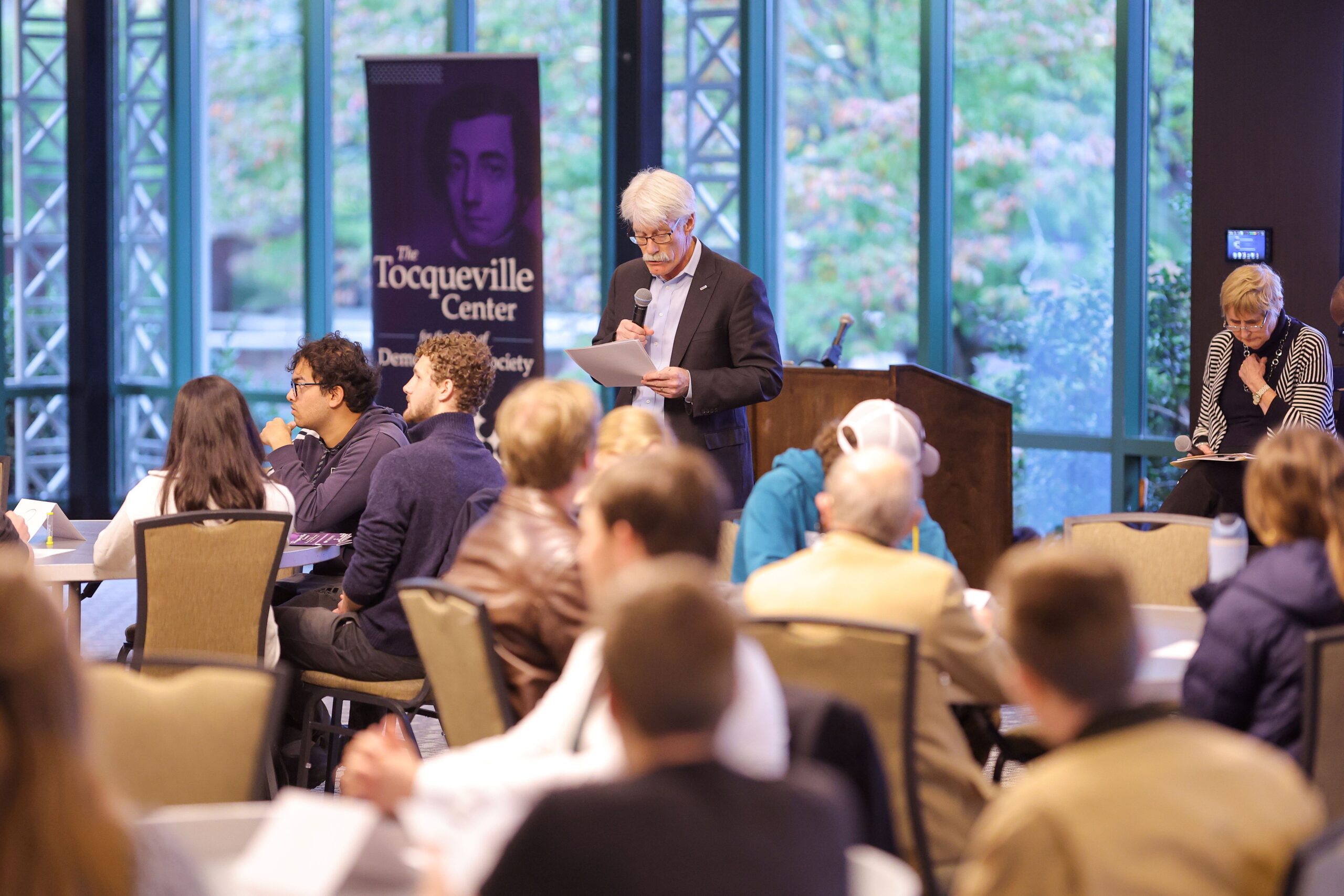
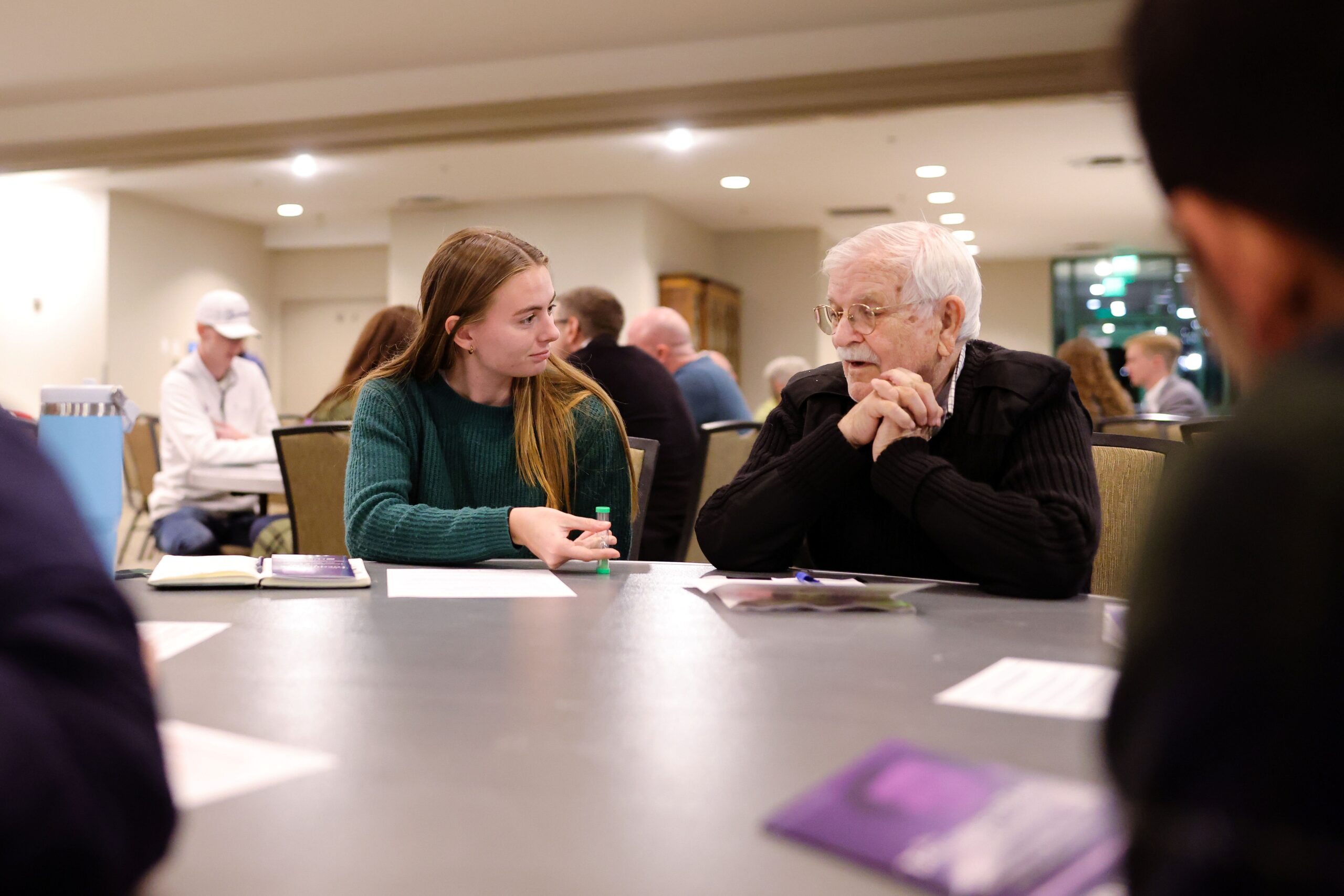
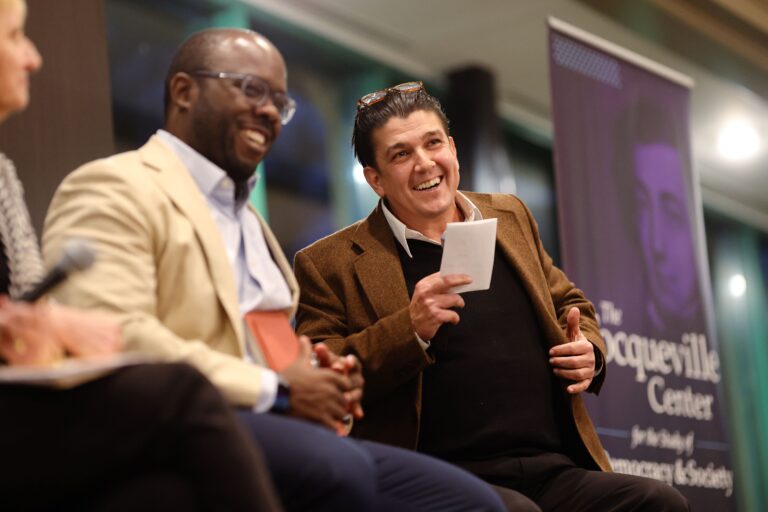
And be sure to check out Tocqueville Fellow Sim Colson’s blog recounting his experience of attending McCaulley’s talk and the Tocqueville Center’s event on patriotism, which aimed to promote dialogue across differences and cultivate the skills required for having difficult conversations.
To watch the entire, two-day event on The Black Experience in America, you can view the complete videos on YouTube:
View “One Black Family’s Story of Hope and Survival in the American South” Here
View “American Patriotism. Discuss” Here
Photos from "American Patriotism. Discuss"