Digital Ethics Minor

Table of Contents
What is a digital ethics minor?
The field of digital ethics exists at the intersection of philosophy and all fields where emerging technology raises issues of duties, rights, harms and justice. This includes a range of intellectual property issues, questions of privacy in data collection and distribution, growing use of artificial intelligence and biotechnology, and any domain where digital technologies serve to mediate interpersonal relationships.
Why study digital ethics at Furman?
Our signature approach to the liberal arts and sciences means you’ll collaborate with professors who know your name, and you’ll receive one-on-one instruction to learn the basics. The Digital Ethics minor capitalizes on Furman’s approach, providing students with both a technical and theoretical foundation and a customizable path to application in an array of fields. You’ll come away from the program with a more robust education than students in programs at larger institutions who don’t receive personalized attention in their introductory courses, and which streamline students into a narrow course of study.
Plan a visit to Furman’s beautiful campus or start your application today.
How will you learn?
The digital ethics minor takes a three-pronged approach to the topic, including: (1) hands-on training in computing, (2) theoretical background in ethics, and (3) customizable application to your field of study, all culminating in a supervised research project that you’ll develop.

Careers for digital ethics minors

As technology continues to encroach on every aspect of our lives, an aspect of an engaged person in society should be a familiarity with the moral issues that such technologies raise. If you are looking to work in a field that produces or consumes digital content, you should have both a theoretical and functional understanding of the ethical dimension of your work.
In simpler terms, a digital ethics minor is applicable to most every career.
Digital ethics minor courses
The following three required courses provide foundational exposure to computing and the theoretical foundation needed to grapple with the ethical ramifications of existing and new technologies. Students will then complete upper-level courses in Communications Studies, Economics, Business, or Sociology.
See the Furman catalog for a list of approved courses and exact requirements.
View Courses
Digital Ethics Minor FAQ
You can become more desirable to employers. More and more companies are hiring Digital Ethics Officers and expecting that tech and data specialists – from engineers to analysts – have ethics training. And more and more jobs outside of the tech field, from librarians to medical staff to learning consultants, are looking for employees who can integrate ethical standards with their handling of data.
If you are interested in digital ethics, you should look to complete CSC-121 and PHL-101 in your first or second year with the intent of completing PHL-208 in your second or third year. Elective courses can then be completed in your third and fourth year of study.
There are many pathways to complete the minor, but we strongly advise you to plan your course of study as early as possible.
Our Faculty
Your academic advisor will help you explore your passions, define your interests and achieve your goals. You’ll tap into a widespread network of community and alumni mentors to help you on your individual educational path – and to the opportunities at the end of it.
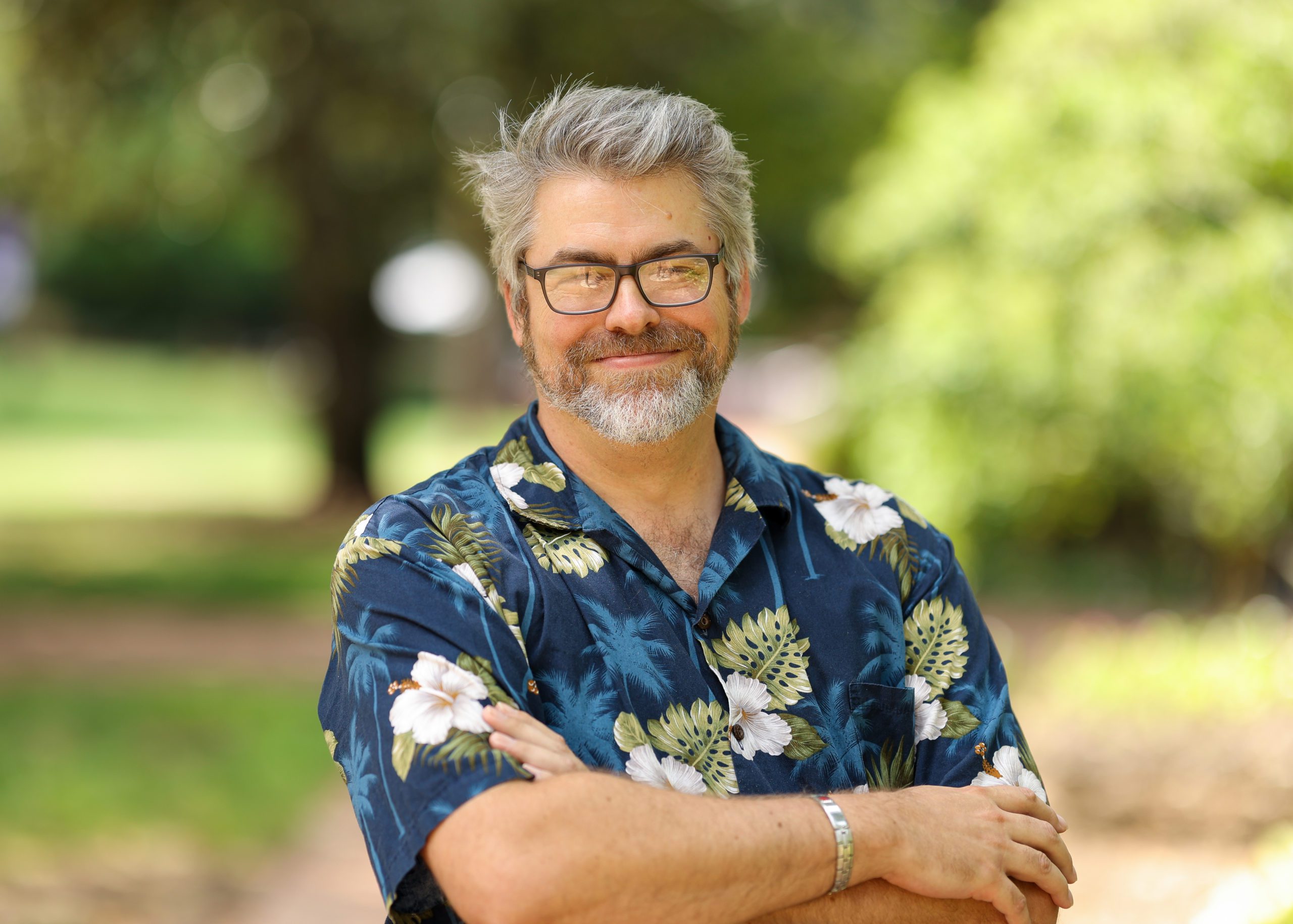
Darren Hick

Chris Alvin

Mai Nou Xiong-Gum

Carmela Epright

Jeanine Stratton
EXPLORE THE ADVANTAGE
-
 HOLA’s Chief of Staff Giselle Osorio-Beltran finds community, then helps build it for others
 -
Article in Food Drink Life reveals more reasons to love Furman, Greenville, Travelers Rest
-
For Furman’s newest families, Family Weekend feels a little like coming home
-
Furman Theatre Arts announces 2026-2027 season