Ideas have power.
Leaders and innovators need to understand how an expanding world is communicating – and gain the insight to make a significant impact. Communication studies majors develop the tools to thrive and lead the communities they serve in a variety of fields in strategic communication, media and beyond. We’re all about connections – not only connecting students to faculty in a supportive liberal arts and sciences environment, but also connecting them to deep theory, vibrant research, emerging technology, and practical experience.
Graduates with degrees in Communication Studies launch into careers across six fields
- Advocacy, including corporate, non-profit, and government administration
- Marketing, Event Planning, Advertising, and Public Relations
- Coaching, Mentoring, and Sports Administration
- Journalism and Media Storytelling
- Fundraising, Consulting, and Entrepreneurship
- Graduate Studies, including law, management, and communication

Major in Communication Studies
Majors


Communication Studies in Action
Furman communication studies students are making headlines! Check out the latest from students, faculty, and alumni.
Latest Headlines
- Furman undergrads win Student Production Awards from the Southeast Chapter of NATAS
- Eleven Furman students inducted into Lambda Pi Eta (Communication Studies Honors Society)
- Inabinet shines light on cleanup of historic Black cemetery
- Furman students bring home NATAS Southeast Student Production Awards

Reporting exclusively on the latest communication studies happenings and achievements, the Furman Communication Studies Newsletter is an excellent way to stay up to date with communication studies students, faculty, and alumni.
Latest Issues

Furman communications majors are producing award-winning projects. Check out some of the latest recognized student work.
Latest Achievements
-
East-West Shrine Bowl
Camille Menzies was a featured photographer at the 101st East-West Shrine Bowl football game.
-
Lift the Silence
Grace Le is a College Broadcasters Inc. competition finalist for her PSA “Lift the Silence.”
-
Grit and Grace
Kaylie Armitage won a NATAS Student Production Award for her sports story “Grit and Grace.”
-
Live the Legacy- Run for Furman
Andrew Brown won 3rd Place BEA for a commercial he produced for Furman Cross Country and Track.

Furman communications faculty and alumni are making an impact. Check out their latest achievements.
Latest Achievements
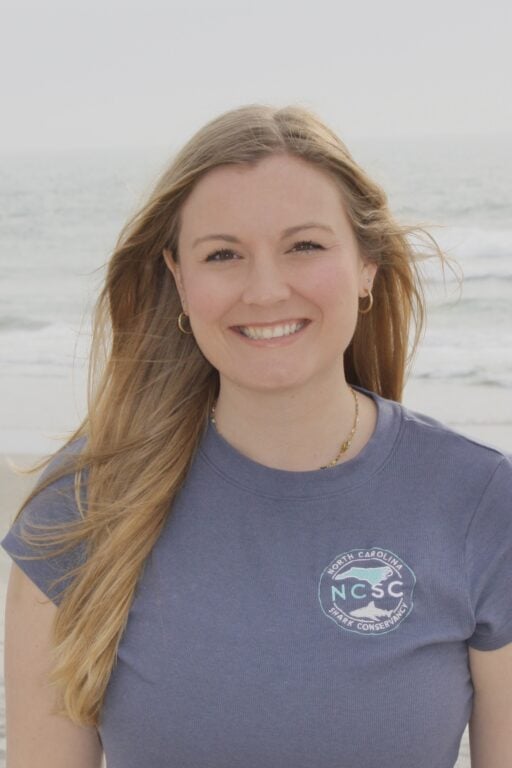
From Furman Hall to Shark Infested Waters: Meet Paige Finney ’17!
What first drew you to Communication Studies?
Coming into Furman I knew I wanted to major in Communication Studies. Communication impacts all our lives daily, whether we’re in the workplace, interacting with our communities or or simply out running errands. Being able to effectively communicate to different audiences is an incredibly valuable skill to have.
I was also intrigued at the opportunity to better understand how we communicate with one another and how different audiences, messages and forms of media can influence the way information is received and interpreted.
Do you remember a class, professor, project, or experience in the department that especially shaped you?
Dr. Kwami was an incredible person and helped me grow throughout my time at Furman. She was an excellent example of leadership.
I also really enjoyed Dr. King’s Race, Class and Gender in the Media class. It challenged me to think more critically and offered an interesting analysis into the mainstream media and how race, class, and gender influence the stories we tell and the way audiences perceive them.
Were you involved in any campus organizations, internships, media work, research, debate, service learning, or student leadership while you were here?
I was a founding member of Zeta Tau Alpha and a student manager for the Furman football team and an RA. I also studied abroad in Edinburgh, Scotland for a semester, where I interned at an advertising agency, gaining my first experience at an agency.
The summer before my final semester I was a Public Relations and Social Media Intern at Jackson Marketing in Greenville. That experience ultimately led to a full-time position with the agency after graduation and helped launch my career in communications.
Career Path
What is your current role, and what does a typical day or week look like for you?
I currently have two very different but complementary roles. I am an Account Manager at an experiential marketing agency, where I oversee client relationships, coordinate production teams and vendors, and help bring events and brand activations to life across the country. Projects range from large-scale groundbreaking ceremonies to mobile tours that bring brands directly into communities. I work remotely and travel regularly for onsite event production, so no two weeks look the same.
I also serve as the Director of Marketing and Public Relations for the North Carolina Shark Conservancy. I lead marketing and communications efforts which range from writing press releases, scheduling interviews, and developing fundraising and brand awareness campaigns. North Carolina has a unique marine ecosystem that is home to more than 50 shark species, many of which remain understudied. Our mission is to connect sharks, conservation scientists, and the public through research, education and awareness. As someone who grew up in North Carolina, I am passionate about protecting its unique coastal ecosystem and helping people understand the important role sharks play in healthy oceans.
Both my roles allow me to use a variety of communication skills from public relations to project management that connect people with ideas and experiences.
How did your career path unfold after graduation?
After graduation, I worked at Jackson Marketing, where I spent four years managing social media and public relations campaigns. I started here as a summer intern and eventually led the social media department. During my time here, I developed a strong foundation in client services, account management, social media strategy, and campaign execution.
From there, I moved into the nonprofit space as a Communications Specialist for a shark research organization. I managed public relations campaigns, social media, and partner relationships, while also helping plan month long research expeditions. Some of my most memorable experiences involved working at sea for weeks at a time to manage expedition communications, coordinate media visits, and tell the stories of the research happening in the field. That experience showed me how powerful storytelling can be in connecting people with science and conservation.
I then became more interested in event marketing, and I transitioned my career into an account management role within an events and experiential marketing team. I now help brands connect with audiences through events and activations across the country.
However, I didn’t stay away from sharks for long! Over the past year, I’ve been helping the North Carolina Shark Conservancy build its marketing and public relations efforts. As a growing nonprofit working to address significant data gaps in North Carolina shark research, NCSC has given me the opportunity to help establish the organization’s brand voice, expand public awareness and communicate the importance of its research.
What communication skills do you use most often in your work?
Writing, relationship building, and project management are some of the skills I use most often. Whether I’m developing a public relations campaign, pitching a story to a reporter, communicating with a client, or coordinating an event, I am constantly thinking about who I am communicating with, what they need to know, and how to deliver the message effectively.
I’ve also learned the importance of adaptability. Successful communication campaigns aren’t just about getting the message across, but also about understanding your audience and knowing when to adjust the approach.
What is one project, accomplishment, or professional experience you are especially proud of?
One of the most rewarding parts of my work in nonprofit communications has been bringing the importance of shark and ocean research to a broader audience. I have had the opportunity to work with most major news outlets, including Good Morning America, CBS News, the New York Times, helping shape stories that bring scientific research to the public.
How has your Communication Studies background helped you adapt to changes in your field?
One of the advantages of studying communications is that it touches nearly every industry. I have been able to work in a variety of industries, and I have learned that the audience and strategy may change, but the foundational skills remain the same. The ability to understand an audience, develop a clear message, build relations and communicate effectively is important whether you are working in the world of shark conservation, truck tires, or luxury pools – all of which are industries I have worked in.
Reflections on Communication Studies
What do you think people often misunderstand about studying communication?
I think people sometimes underestimate just how broad and versatile a Communication Studies degree can be. It can be much more than public speaking or social media management and its skills can be applied to any industry. I never would have predicted my degree would lead to working in shark research or experiential event production. The versatility of the field is one of the things I value most about it.
Which skill from your Communication Studies education has proven most valuable: writing, public speaking, research, media literacy, interpersonal communication, persuasion, leadership, or something else?
Public Speaking, leadership and writing have all been especially valuable throughout my career. Being able to write clearly and tailor a message to a specific audience is essential in almost every role I have had. Public speaking has also helped me effectively present ideas and lead conversations confidently with clients, partners and teams.
Leadership has been important as well, particularly when managing projects that involve many different people and moving parts.
How do you see communication shaping the future of your industry or community?
Communication can shape culture. The messages we encounter in mainstream media and on social media can shape the way entire generations think about things, often without even recognizing its full influence as it happens.
As technology evolves, so does the way we communicate. Social media has transformed the relationship between organizations and their audiences and will continue to do so. What was once a phone call or email with customer service is now a social media DM, and what was once a press release may now be a post. In the field of communications, we must continue to learn and adapt to communicate with our audiences in the most effective way.
Advice for Current Students
What advice would you give current Communication Studies students preparing for careers?
Be curious and open to explore a variety of opportunities. Seek out internships or roles in campus organizations that allow you to try out your skills outside of the classroom and try new things. You never know what path it may open.
Are there skills, tools, certifications, or experiences you wish you had pursued while in college?
During my time at Furman, I wish I had explored the different career paths available to Communication Studies graduates and understand how the skills I was developing could translate into specific roles. There was less of a focus on career path and development post-graduation during my time there, but I know this has changed and I think the focus on what you can do with your communication studies degree is invaluable to students.
I love the versatility of my career now, but as a student it being so broad was a bit daunting.
What should students do now to build a strong professional network?
Take advantage of every opportunity that comes your way. Attend interesting CLPs, connect with professors, staff, and alumni and ask questions about their experiences. The more people within the industry you can speak to, the more you understand what opportunities exist and the more people you can lean on once you leave Furman.
What is one thing you wish you had known when you were a student?
Enjoy your time at Furman. It is a special place and goes by so fast. Take advantage of the opportunities around you and appreciate the experience of living and learning alongside such a close community. There will always be time to build your career (I still am), but you only get once chance to experience college.
Personal and Human-Interest Questions
What is a favorite memory from your time on campus?
When I look back at my time on campus, there isn’t a specific memory that stands out, but rather a series of memories that all stemmed from one thing – living within walking distance to all my closest friends.
Whether it was stopping by someone’s room, grabbing a meal in the DH, studying together in the library or going for walks around the lake, the proximity made us all a community. There’s something special about living and learning alongside your friends and peers and it’s an experience that a residential campus like Furman makes possible.
It’s not the big moments, but the everyday ones that I think back fondly of.
What motivates or inspires you in your current work?
I am motivated by the opportunity to bring people together. In conservation I am inspired by the opportunity to make science more accessible and help people understand the important role sharks play in the health of our oceans. In my role in experiential marketing, I love seeing how a well-executed event can create a memorable connection between a brand and its audience.
Outside of work, what are hobbies, causes, or interests you enjoy?
Outside of work I love to travel and explore new places. I have been to all 50 states, most of the US National Parks, and countries across the world. I fell in love with travel during my study abroad program and Furman and haven’t stopped. I love learning from different cultures, spending time outdoors and experiencing places that are different and sometimes not so different from home.
Quick “Spotlight” Questions
Favorite class or campus memory:
One of my favorite classes was Nazi Cinema, a film studies course that explored propaganda, media and the influence of film on society. It was like a semester-long case study highlighting the power of communication and media. It taught how media can be used to shape public perception and influence the way people understand the world.
Best career advice you’ve received:
Don’t be afraid to take a chance on a new opportunity. Just because something doesn’t fit the path you envisioned, doesn’t mean it’s not the right path.
A communication skill everyone should develop:
Public speaking. Being able to effectively and efficiently communicate confidently in front of people is incredibly important. You may never speak to a stadium full of people, but you will likely need to present an idea in a meeting, share a recommendation with a client or speak up in a room full of colleagues. The same fundamental skills apply whether you’re speaking to a room of 100 people or 10.
Book, podcast, or media recommendation:
The Women by Kristin Hannah. It’s a story about a forgotten group of people, women, who served as nurses during the Vietnam war. It highlights the experiences many of them faced while at war and after their return home.
Three words to describe your college experience:
The Furman Advantage
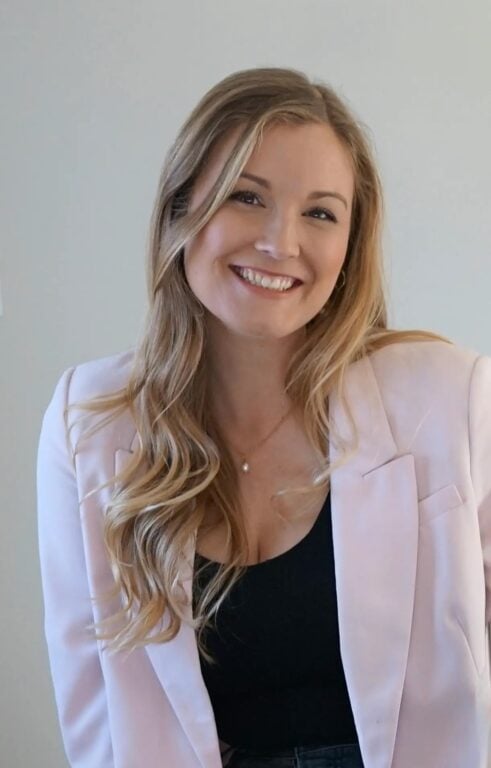
From Furman Hall to Boats Surrounded by Sharks: Meet Paige Finney ’17!


Transformative experiences on campus and abroad
Explore student opportunities in collaborative research, internships, study away, and our media studio and lab.
Teachers. Scholars. Mentors.
Our faculty members are talented teachers and recognized scholars who mentor students in and out of the classroom.

We're here to help.
Have questions about our programs? Want to declare your major? We're here to help.