Blog
From Waste to Wonders
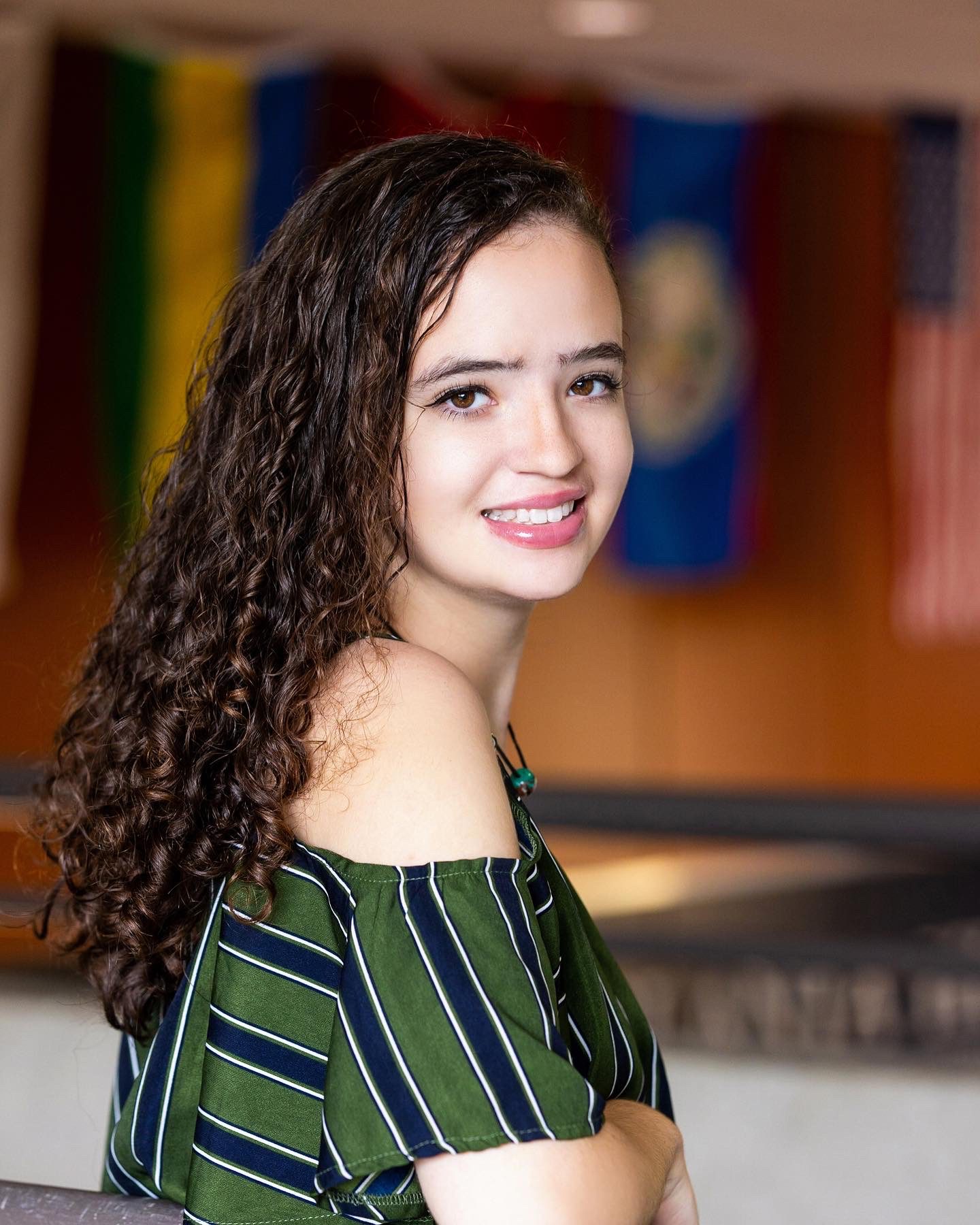 When I first thought of being a Compost Fellow, I imagined spending my summer dealing with rotting food and other “gross” scraps. I couldn’t have been more wrong. Yes, I do work with the smelly food waste, but it’s so much more than that. I’ve been wanting to be part of the Furman Farm for a long time, so when I got the opportunity to do it for the summer, I couldn’t say no. The Furman Farm is truly something special, and its handled so thoughtfully and gracefully.
My name is Maddie Krachon and I am a rising junior from Atlanta, Georgia. I am a Sustainability Science major with a minor in Science Education. As the Summer Compost Fellow, I get to learn the ins and outs of the Furman Farm. The farm itself is fully organic, meaning we don’t use synthetic fertilizers. Instead, we make our own rich, nutrient-filled compost. This compost is the backbone of the farm, and it’s part of an amazing closed-loop system with the dining hall.
Here’s how it works: Barrels of food waste are picked up from the dining hall and other spots on campus, including the Paladen food court, Library Cafe, Herring Center, and even the Bookstore Bistro. They are then taken to an off campus composting site. There we mix the food waste with dried leaves and other yard waste from around campus and let it break down into compost.
Once it’s ready, we bring it back to the farm and spread it around the garden, where it nourishes the plants and helps them thrive. The produce we grow is sold back to the dining hall, where it’s cooked into meals that students enjoy. And the cycle begins again when those meals generate food waste! The system doesn’t just grow healthy food; it has a big impact on Furman as a whole. Each academic year, this loop diverts about 300 tons of food waste from the landfills, saving the university upwards of $30,000 annually.
People often ask me, what makes Furman’s compost so good? The answer is: life! Our compost is filled with macroorganisms like worms, roly-polies, and other tiny creatures you can see, and microorganisms, which you can’t see, but are absolutely essential. These microbes are the key to breaking down organic material. There are three main types of microbes: Psychrophiles, Mesophiles, and Thermophiles. They thrive when conditions are just right. The most important factor is the carbon-to-nitrogen ratio (C:N ratio). Great compost needs the perfect balance of carbon-rich “browns” (like dry leaves) and nitrogen-rich “greens” (like food scraps).

Roly-polies thriving in the compost.
When the C:N ratio is right, the pile heats up, sometimes reaching up to 250°F, and it turns into wonderful compost. We also look for something called actinomycetes, which signals that the compost is ready to use in the garden. The Furman Farm does a lot of behind-the-scenes work to keep this system running smoothly. In addition to collecting and processing food waste, we balance two main areas of focus. On the business side, we sell our produce to the dining hall and locals during the summer, and our compost to the local community. On the educational side, we offer fellowships and opportunities for students and locals to volunteer to learn about sustainable and organic food systems first-hand.
My daily activities on the farm are never the same. Somedays, I’m picking up barrels of food waste, other days, I’m shoveling compost into the garden, weeding, delivering produce to the dining hall, or making “compost tea.” Compost tea is nutrient-rich water made from soaking the compost to feed the plants as we water them. This fellowship has given me a whole new appreciation for what happens behind the scenes to help our campus be more sustainable. I’ve learned that even waste can become something wonderful, and that’s what makes the Furman Farm so special.
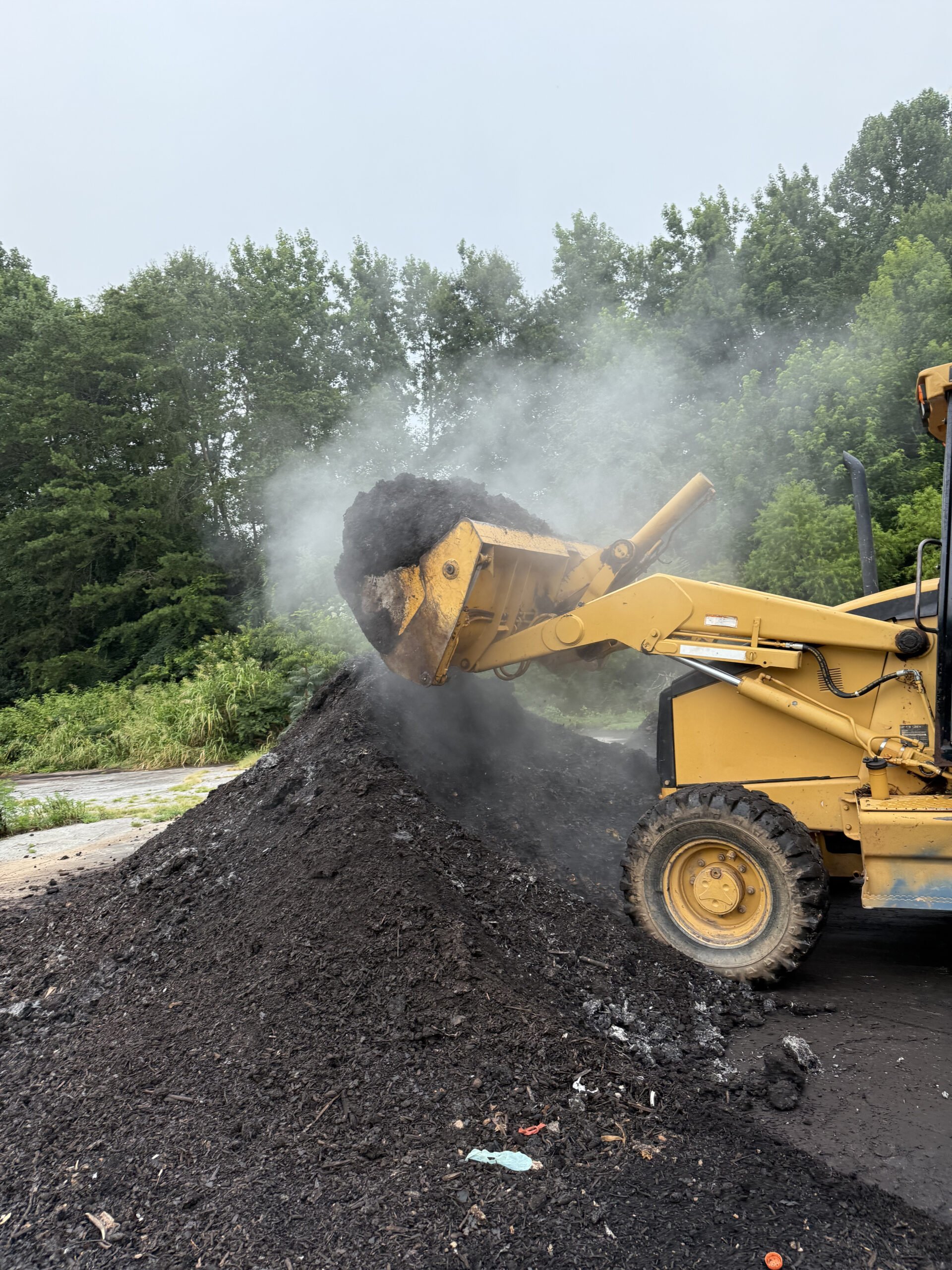
Heat exiting the compost pile as it is being turned.
If you’re curious about what happens at the farm or want to see the magic of composting up close, I encourage you to come visit! Walk through the garden, smell the rich, fresh soil, and see how food scraps help sustain this beautiful space. And if you’re looking for a hands-on way to make a difference, consider volunteering. Whether you’re turning the compost, planting seeds, or harvesting produce, there’s always something meaningful to do at Furman Farm. During the summer we host volunteers every Thursday morning starting at 9 am or you can email [email protected] to set up a group volunteer experience.