MentorPlus
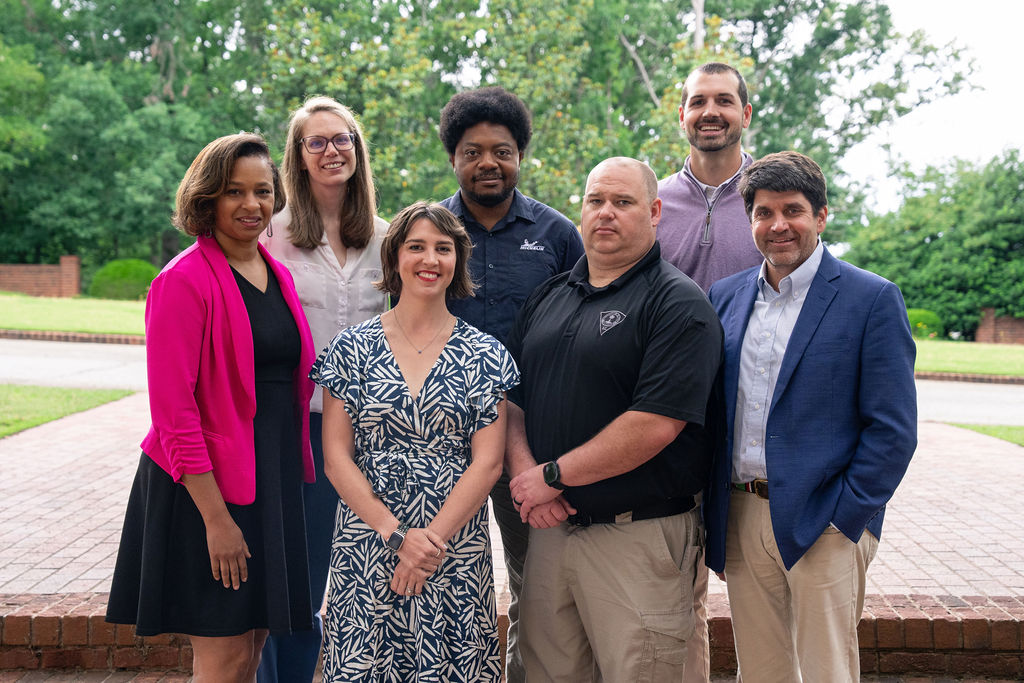
Team members: Tina Belge, Kelsey Hample, Kia Keyton, Armel Mbiakop Ngassa, Dustin Sherbert, Tyson Smoak, Bailey Tollison
For many students growing up in high-poverty communities, the future feels distant, abstract, and undefined. By the time these students reach high school, many already feel behind, disconnected, or unsure of how their interests, strengths, and dreams translate into real opportunities. Research and lived experience both tell us the same story: middle school is the turning point. It is the moment when confidence can either be built or quietly lost.
The Tanglewood Career Mentor Program was created to meet students at this critical moment with something powerful and too often missing: early exposure, consistent mentorship, and genuine belief. The program connects middle school students (beginning no later than seventh grade) with real adults from their community who serve as guides, storytellers, and “life navigators.” Through hands-on, career-themed sessions, students don’t just hear about jobs: they experience what it feels like to solve problems, work in teams, ask real questions, and imagine themselves in meaningful roles in the world.
Each session is intentionally designed to be active, relational, and inspiring. Students rotate through themed experiences such as Builders & Makers, Health & Helpers, or Tech & Problem Solvers, engaging directly with local professionals who share not just what they do, but how they got there, precisely the challenges they faced, the skills they had to learn, and the moments they doubted themselves. Mentors walk alongside students during collaborative challenges, reinforcing that failure is part of learning and that growth comes through iteration, reflection, and persistence. A “Career Passport” model encourages participation, celebrates effort, and helps students track their evolving interests and questions.
In its first pilot at Tanglewood Middle School, the program reached 6th, 7th, and 8th grade students through an engineering and research-focused experience. Students worked in teams to design and build structures, asked thoughtful questions of mentors, tested ideas, learned from failure, and reflected on how these activities connect to real careers. The room was filled with curiosity, laughter, focus, and shared meals, creating not only a learning experience, but a sense of belonging and possibility. The response from students, mentors, and educators confirmed a clear truth: when young people are given access, attention, and authentic relationships, they rise to the moment. Building on the success of the pilot, Michelin is currently exploring opportunities to support this initiative on a quarterly basis, strengthening consistency, mentor relationships, and long‑term impact.
At its heart, the Tanglewood Career Mentor Program is not just about career awareness, it is about building social capital. It creates bridges between students and adults they might never otherwise meet, expands students’ visions of what is possible, and helps them connect their aspirations to tangible actions long before critical academic and life decisions are made. With the right partnerships, consistent scheduling, and simple measures of impact, the program has the potential to grow into a sustainable model embedded within schools or aligned community organizations.
The success of the pilot signals something larger: a future where every student has someone walking beside them early enough to matter, someone who helps them see not only where they could go, but how they might get there.