Our Vision & Mission
We envision a thriving society where every person—regardless of background—can access a transformative education, engage in meaningful work, and shape the future of their community.
The Riley Institute advances education and strengthens civic engagement to help people access opportunity and contribute to the common good. We develop diverse leaders and collaborate with partners to transform the systems and policies shaping our communities, drawing on Furman’s expertise, convening power, and engaged students to drive lasting change.
We accomplish our mission by:
- offering cross-sector and specialized leadership development,
- conducting applied primary and secondary research, and
- hosting and facilitating strategic community convenings
to equip stakeholders and Furman students with the evidence, networks, and mindset to drive collaborative solutions and lasting progress.
Our Values
Nonpartisanship
We elevate policies and practices that help our state and nation fulfill the American promise of life, liberty, and the pursuit of happiness by focusing on what research and experience show to be most effective—regardless of partisanship. We welcome thoughtful perspectives from across the political spectrum and promote collaboration for durable, shared solutions.
Evidence
Our work—spanning leadership development, policy analysis, and community engagement—is grounded in research and evidence. We follow where the data leads, relying on studies that meet the highest standards of integrity, peer review, and methodological rigor.

Compassion
While we build our programs on research and evidence, we ground our work in the lived experiences behind the data. We elevate the voices of those most affected by our community’s challenges, believing that those closest to community problems are also closest to the solutions. Compassion—rooted in our shared humanity and guided by humility—means walking alongside others, learning from their insights, and being moved to act upon them.
Diversity
Understanding, embracing, and leveraging our differences for stronger decisions and outcomes is foundational to our work. People’s choices and ideas are shaped by their personal experiences, and better solutions—for communities, organizations, and our country—emerge when many perspectives inform the path forward.
Collaboration
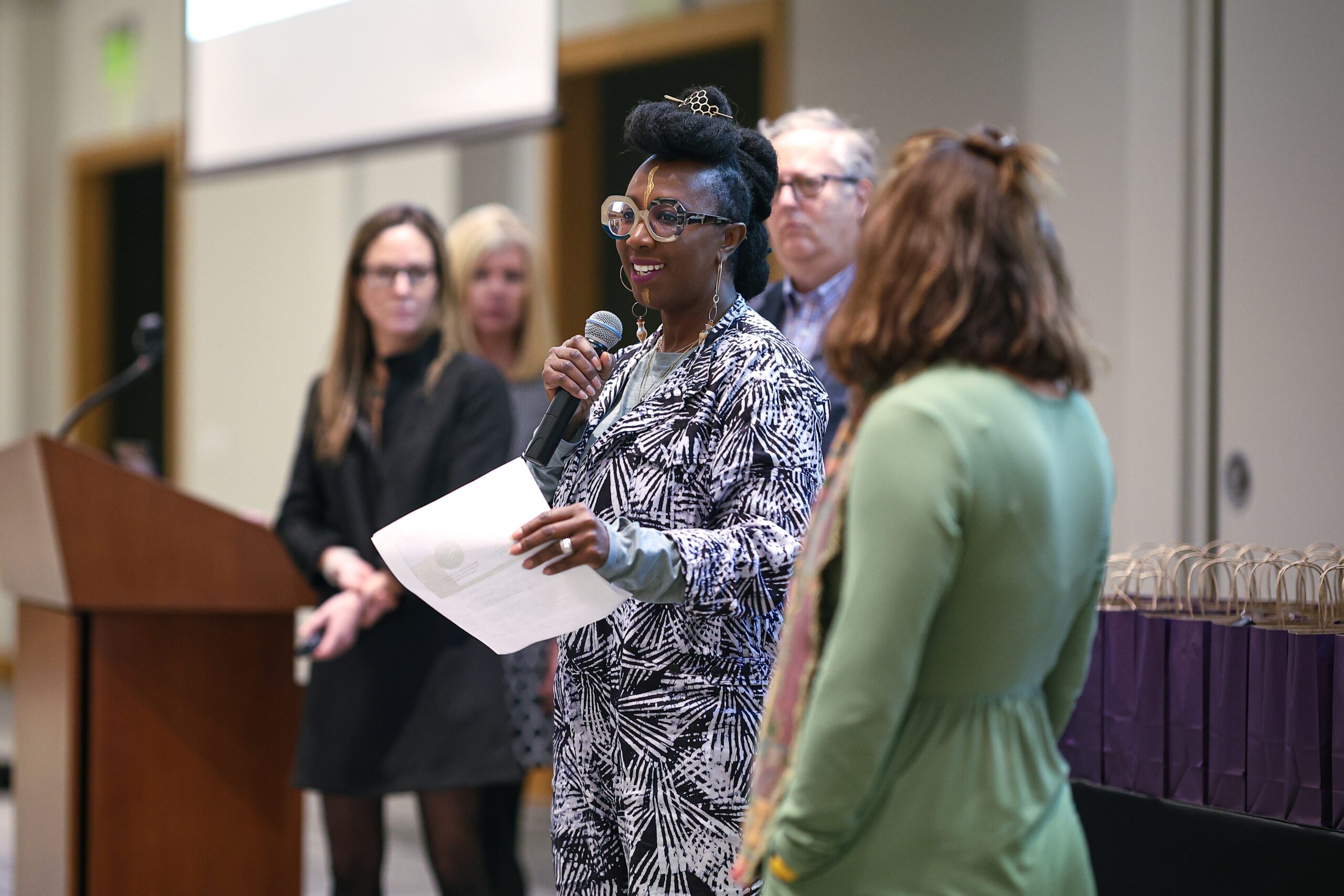
No solution to the greatest challenges of our time will be found or realized in isolation. As a systems-focused organization, we understand that policies, practices, power dynamics, and mindsets are interconnected in ways that form the barriers to and opportunities for progress. Progress requires deep cooperation among government, business, nonprofit, and civil society to create meaningful, enduring change.
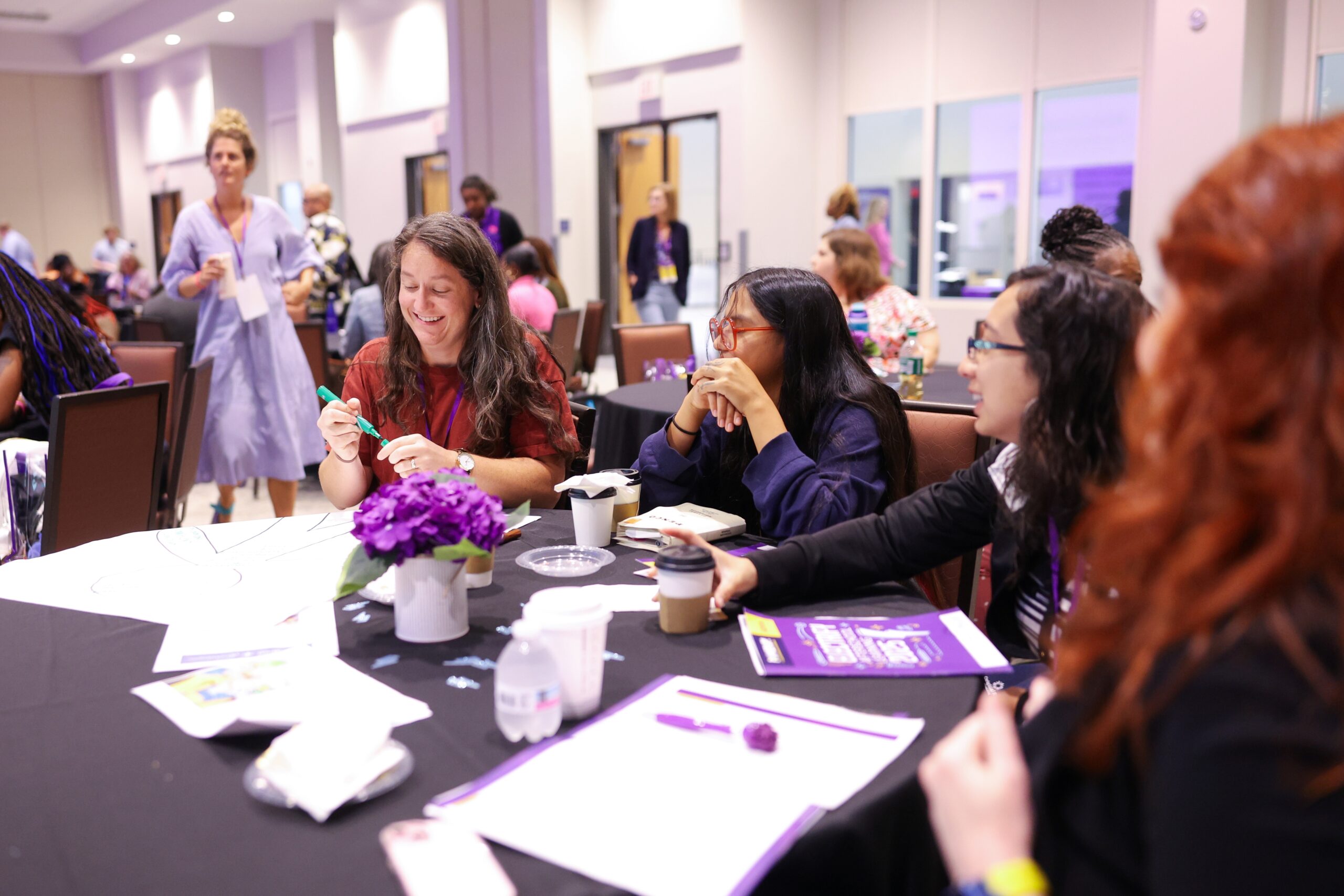
Creating a thriving society where every person has the opportunity to build a fulfilling life and contribute to the communities they share requires progress on many fronts. At The Riley Institute, we focus our work on two areas that are fundamental: educational opportunity and civic engagement. Across both areas, we develop leaders, conduct research, convene people and organizations, and build partnerships that strengthen policies and systems.
In keeping with the mission of our wider institutional home, Furman University, we recognize that education lays the foundation for a lifetime of opportunity and participation.
Through educational opportunity, we work to expand access to the experiences and support they need to thrive. A strong education equips them with more than the knowledge and skills to pursue meaningful work and economic security. It helps students understand the world around them, encounter new perspectives, develop their own voices, and become informed and capable participants in civic life.
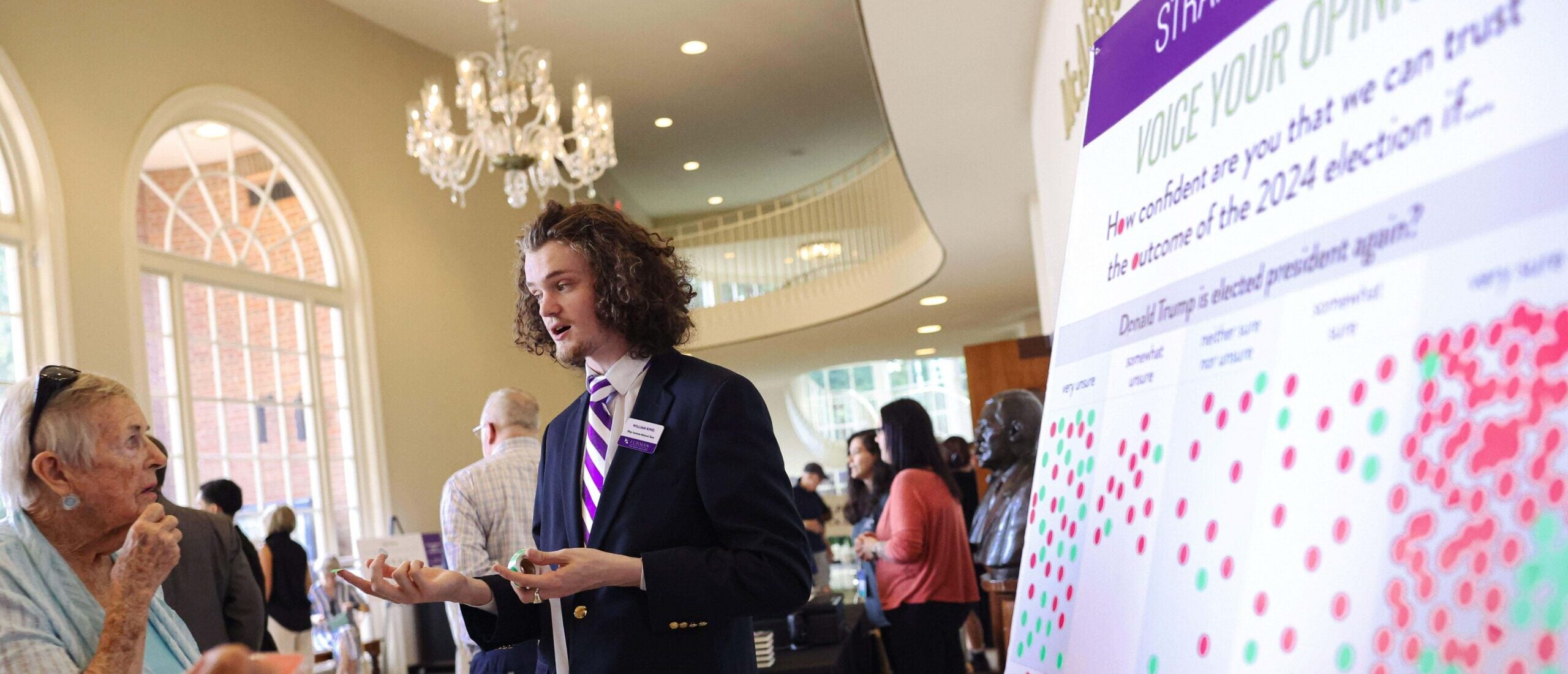
But learning does not end with formal education. As people move through their lives and careers, they continue to encounter new ideas, perspectives, and challenges—and many gain greater capacity to influence the organizations, institutions, and communities around them. Through civic engagement, we create opportunities for people to deepen their understanding of consequential issues; build relationships across differences; and put their knowledge, skills, networks, and influence to work for their communities and the broader public good.
Our work spans that continuum—from strengthening educational opportunities for children and youth to engaging Furman students, the broader public, and emerging and established leaders in the ongoing work of learning, participating, and contributing.
Ultimately, we believe progress depends not only on expanding opportunities for people to learn and succeed, but also on cultivating a culture in which people use what they know and the influence they have to strengthen the communities they share.

Our Centers
The Center for Diversity Strategies equips cross-sector leaders with the tools needed to harness the unique perspectives and experiences of all people in their organizations and communities to drive positive change and enhance economic and civic vitality.
The Center for Civic Engagement connects students and community members in learning, dialogue, and action to address local challenges and strengthen civic participation. Our programs elevate community voices and foster cross-sector partnerships, building solutions that improve outcomes for all.
The Riley Institute’s Center for Education Policy and Research promotes evidence-based strategies and public policies to improve education quality and access. Through applied research, leadership development, and capacity-building, the center works to advance equity and improve outcomes for children, families, and communities.