Author James M. Lang argues that how we teach is often at odds with how students learn. Classrooms are designed to force students into long periods of intense focus, but emerging science reveals that the brain is wired for distraction. We learn best when able to actively seek and synthesize new information. Brimming with ideas and grounded […]
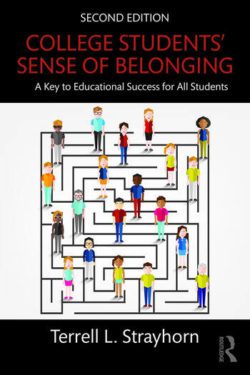
This book explores how belonging differs based on students’ social identities, such as race, gender, sexual orientation, or the conditions they encounter on campus. Belonging―with peers, in the classroom, or on campus―is a critical dimension of success at college. It can affect a student’s degree of academic adjustment, achievement, aspirations, and retention. Group meetings will occur […]
Colleagues are rightfully concerned about the long-term cognitive and social effects of COVID, especially on long-term learning and motivation. Deci/Ryan's Self Determination Theory (SDT 1985) argues that intrinsic motivation includes 3 components: autonomy, competence, and relatedness. Further, they contend that we don’t motivate students to achieve—we create learning environments in which they motivate themselves to […]
In a recent FDC Reading Circle colleagues explored Joe Feldman’s controversial Grading for Equity, which calls into question long-held pedagogical practices. The book takes readers on a compelling journey to evaluate inconsistent grading practices and illuminate how some of our most common practices may be perpetuating achievement and opportunity gaps. In this Learning by Design (LBD) Studio, we share […]
Join us for an open-forum conversation about recent artificial intelligence text generation gains and their implication for teaching and learning. To gain familiarity with the issue prior to gathering, please read one of the following: AI and the Future of Undergraduate Writing OR One in a series of pieces by John Warner in Inside Higher Ed available here and here. Our conversation […]
Through the generous one-time funding of a recent Duke Endowment Leadership development grant the FDC is excited to offer workshops and resources for participants to develop peer coaching skills. The Duke Leadership Peer Coaching program includes 3 elements that build upon one another: an initial peer coaching workshop, a follow-up skills application workshop in an area […]
We use cookies to improve your experience on our site. By continuing to browse, you agree to our use of cookies. You can learn more by reading our Privacy Policy.