Interview with Jan-Werner Müller on Populism, Democracy, and Universities
Introduction
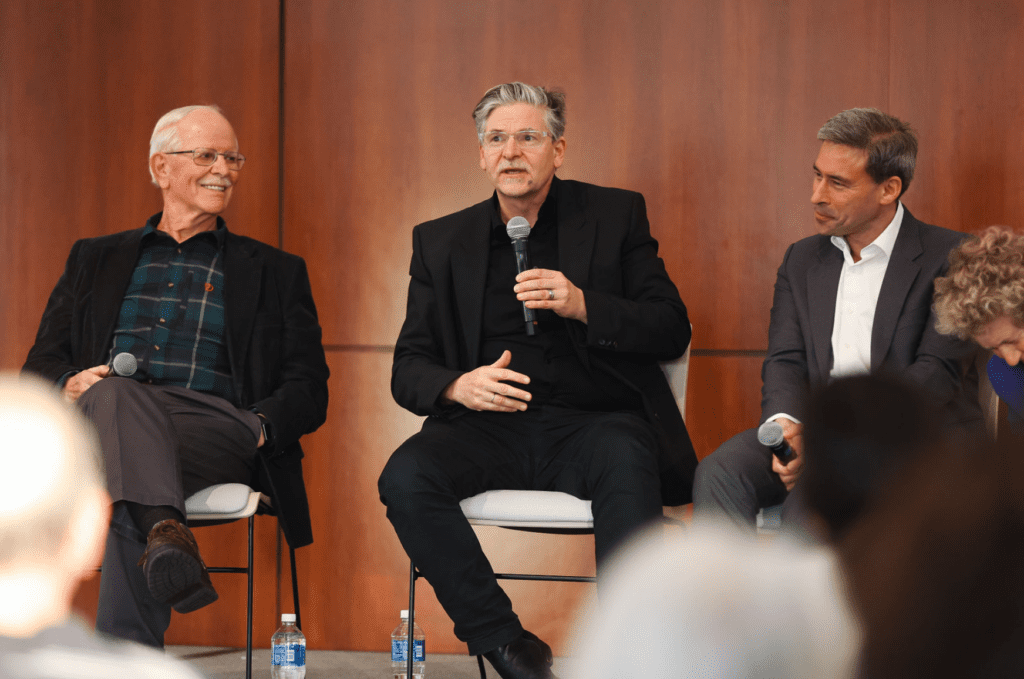
In a recent interview at the Tocqueville Center, Dr. Jan-Werner Müller—Professor of Politics at Princeton University and author of What is Populism?—shared his insights on the true nature of populism, its impact on higher education, and the evolving dynamics between populist movements and democratic institutions across the globe.
Defining Populism Beyond Anti-Elitism
Q: Since we were just talking about populism and college campuses, maybe I’ll start there. With the resurgence of populism—especially now in 2025 with the new Trump administration and different movements in Canada and Europe—what are you seeing? How does this intersect with the college campus and liberal arts education scene?
Dr. Müller:
At the risk of sounding pedantic, let me lay out how I think about populism. The conventional wisdom is that populism is about criticizing elites. My worry about that so-called definition is that until recently, keeping an eye on the powerful was actually not seen as specifically populist—let alone somehow dangerous for democracy. It was a sign of being a good citizen.
By contrast, I would suggest that populists claim that they and only they represent the real people, or what they often call the “silent majority,” with the consequence that anyone who opposes them can be declared an enemy of the people.
It’s not normal democratic politics. It has an inbuilt authoritarian direction, and it’s not an accident that many populists, once in power, hit back against independent institutions like the judiciary, professional news organizations, and universities.
How Populists Target Universities
Q: Could you speak a little more about what it looks like when leaders oppose elites in a democratic versus a populist way?
Dr. Müller:
We have plenty of other concepts for criticizing elites—democratic socialism, social democracy, Main Street versus Wall Street—without needing to invoke populism. Also, “the elites” are not a homogeneous group. Far-right populists especially target specific elites, typically those claiming authority based on education—academics, lawyers, doctors—rather than, say, billionaires who claim authority based on their wealth.
In universities, it might seem at first like far-right populists are trying to pit natural sciences against social sciences and humanities. But it now looks like it’s a general onslaught against any independent source of power, even scientific research that should be common-sense beneficial to society.
Defending Higher Education: Legal Strategies and Collective Action
Q: Within the context of universities, what brand of “elite” is being attacked, and what would be a better counter to promote educational goals?
Dr. Müller:
Resistance is a collective action problem. Many university presidents are pressured by their trustees to keep a low profile, which I think is a terrible strategy. The attack on Columbia University showed that what was tried looked pretty illegal to most lawyers. Universities should adopt a shared litigation strategy.
If institutions stick together—not just so-called elite institutions—the game might change.
Of course, we should keep making the case that universities are good for citizenship and society. But given the brutality of the onslaught, I wonder whether a clear legal strategy shouldn’t be the priority.
Populism’s Trajectory: America vs. Europe
Q: As a last question: what is your view of the direction of populism in America versus Europe right now?
Dr. Müller:
People often talk about a rise or wave of populism, but that’s misleading. In most countries, outright supporters of far-right populism are a loud minority, not a majority.
The crucial factor is that in so many places, conservative elites have decided to collaborate with or imitate far-right populists. The dynamic isn’t that huge majorities have shifted; it’s that elites have validated and amplified these movements.
It’s important to put pressure on conservative elites. Democracy is about conflict over policies—that’s normal. But basic elements of democracy are being eroded, and it’s vital to call that out. Even though partisanship sometimes trumps people’s official commitment to democracy, we shouldn’t give up.
Final Thoughts
Dr. Müller’s perspective offers a corrective to what are in his view widespread misconceptions about populism. Rather than seeing populism as a mere protest against elites, he frames it as a dangerous anti-pluralist movement that endangers independent institutions—including universities—and requires vigilance, collective action, and clarity from defenders of democratic principles.