StraightTalk Student Op-Ed Contest
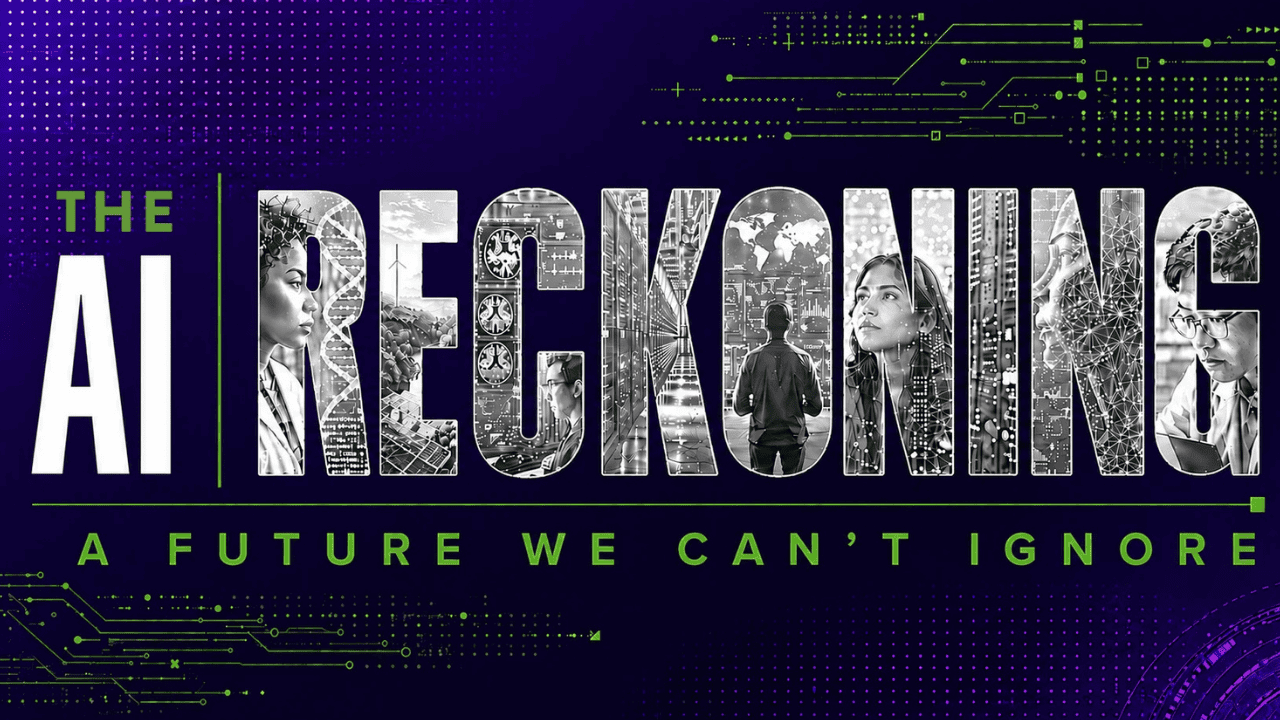
StraightTalk Student Op-Ed Contest
As part of an ongoing effort to engage Furman students and the broader community alike around critical issues, The Riley Institute presents the 2026 StraightTalk Student Op-Ed Contest. The author of the winning submission will receive a $1,000 prize and have their piece published by the Greenville Journal. The deadline for entry is Wednesday, September 23.
The Prompt
Artificial intelligence is rapidly reshaping American life—impacting cost of living, access to information, work, education, environment, and civic life, often without public visibility.
Take a position on whether AI is ultimately helping or harming humanity. Then, explore how Gen-Z Americans can shape AI’s impact on society in ways that promote human flourishing and create the future they want to see.
Your op-ed should:
- Consider both risks and possibilities of AI
- Take a clear position and present a persuasive argument
- Reference at least one real-world example (local, national, or global)
- Identify a specific way individuals or communities can take action
Attend our 2026 StraightTalk series to learn more about the impacts of AI.

Submission Guidelines & Judging Criteria
Eligibility: Open to all undergraduate Furman students
Word Limit: 400 words (submissions over 400 words will not be considered)
Submission deadline: Wednesday, September 23 at 11:59 p.m.
Top award: $1000 prize and op-ed published in the Greenville Journal
Questions? Email [email protected].
Judging Criteria
Members of the Riley Institute staff, Furman faculty, and a local journalist will review submissions and select the winner based on the judging criteria posted below. The winning entry:
- Stays at 400 words or under – submissions over 400 words will not be considered.
- Takes a clear position and presents a persuasive argument related to the given prompt
- Identifies a specific way individuals or communities can take action
- Offers compelling support for their position
- Reflects an understanding of current issues and opportunities presented by AI advancements
- Is written in language accessible to the general public
For more information on best practices for op-ed writing, read this guide provided by Duke University.
AI Usage Policy
Your op-ed must be written by you and reflect your own ideas and voice. However, you are encouraged to use AI tools thoughtfully and transparently as part of your writing process.
You may use AI to:
- Explore multiple perspectives on this topic
- Discover sources or real-world examples that support your position
- Refine clarity or structure (for example, revising sentences for conciseness)
- Check for grammar or readability
You may not:
- Submit an op-ed written by AI
- Copy and paste AI-generated text into your op-ed
- Use AI without critically evaluating its accuracy or bias
AI Citation (1-2 sentences, included at the end): Briefly describe how you used AI in your writing process at the end of your op-ed, including:
- What AI source(s) you used, and how you used AI to develop and/or refine your op-ed.
- One way you evaluated or improved on what it produced.