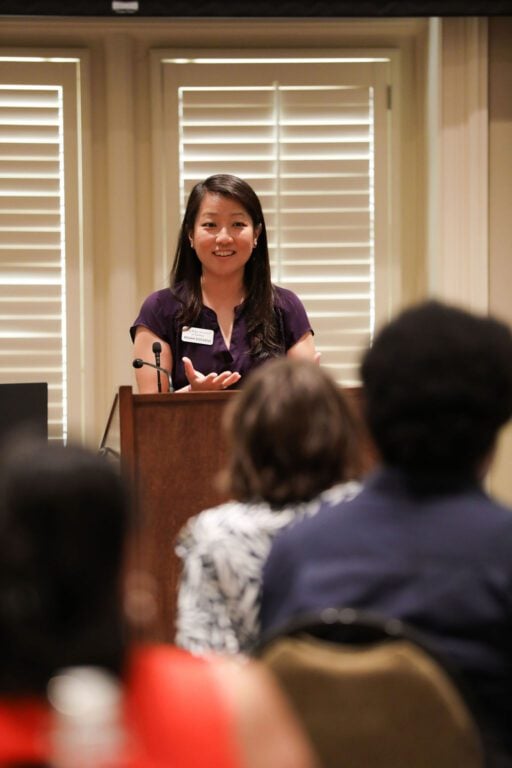
Megan Dodgens welcomes DLI participants.
Taylor Swift is known for a lot more than her music. Sure, she’s one of the biggest stars in the world, but she’s also famous for her fiercely loyal friendships, nights at home instead of on the red carpet, close relationships with her fans, and a genuine commitment to giving back to her community.
Take away the sold-out stadiums and Grammy Awards, and you’ve got someone who sounds surprisingly similar to Swift working at The Riley Institute.
Our own T-Swift, Megan Dodgens, also grew up in a small town, treasures lifelong friendships, would happily choose a quiet night at home immersed in book over a night out, knows the names and stories of countless DLI participants, and has spent her career investing in the people and communities around her.
A Different Kind of Origin Story
Dodgens spent her childhood in Simpsonville, S.C., attended the same private school from K5-12 grade, and still maintains close friendships with those former classmates. They were in each other’s’ weddings and have shared the birth of children, loss of parents, and the other ups and downs of life, both big and small.
But despite the ordinariness of much of her upbringing, there was something very special about Dodgens. Her life was defined by difference. Dodgens was adopted from South Korea at eight months old by a family who celebrated her origins.
“My family was so proud of the fact that I was adopted. Obviously, I look very different than my white family, and so they couldn’t keep it a secret that I was adopted. Instead, they celebrated it as something that made me special and that this difference was a power.”
How exactly that difference was going to factor into Dodgens’s career path wasn’t clear to her early on, though. After high school, she packed her bags and travelled to Clemson for college to make something of herself, though she didn’t quite know what. She decided to study English because of her love for literary discussion and analysis.
“I had no intention of teaching. That is not my strength. I had no aspirations beyond the immediate, ‘I get to read all sorts of books and learn about critical thinking, writing, and communication,’” she says.
After earning her bachelor’s degree, Dodgens returned to Simpsonville and took a customer service position. Although she enjoyed the people she worked with, Dodgens wanted to know her work was making a difference in her community. So, she started looking around for other jobs and found an administrative assistant position at The Riley Institute in 2011.
Finding Her Voice
Dodgens was in that role for under a year before stepping up to manage the program logistics of the institute’s Diversity Leadership Initiative (DLI). She was instantly drawn to the core principle underpinning the program.
“I came into the DLI world, and we talked about the strengths that someone who is different can bring to work or life. I was like, ‘Hey, I’ve felt that because my family did such a wonderful job supporting me,’” she says.
But while the heart of DLI resonated with her, Dodgens still felt apprehensive about what it meant for her to be a leader in this space.
“I feel like diversity is often a source of apprehension for a lot of people. It was for me, so I didn’t necessarily interject myself or see myself as a thought leader in that area, because what do I know about it?” she says.
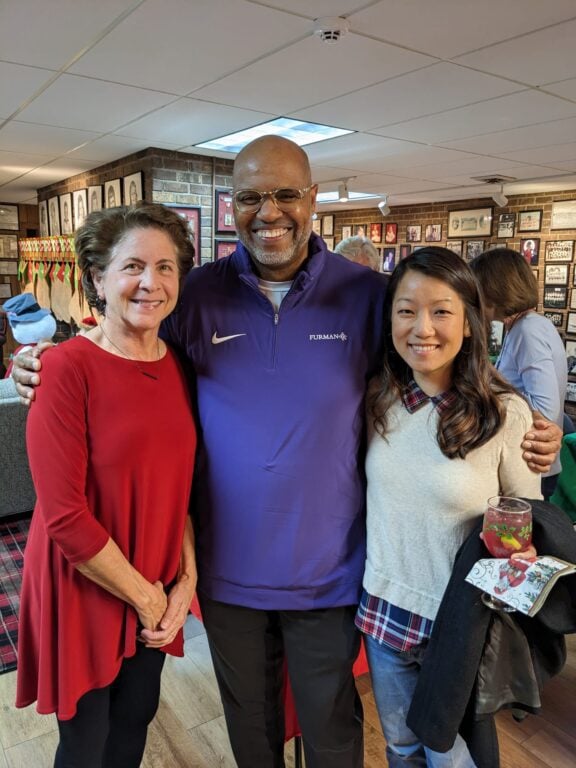
Jean Shifrin, Juan Johnson, and Megan Dodgens at a Riley Institute holiday party.
Yet today, Megan works as the institute’s director for the Center for Diversity Strategies, a position significantly different than her starting role. She’s moved from focusing on program logistics to focusing on strategy and relationship building.
“Over time, my role became building relationships with participants and community partners around the state and understanding how The Riley Institute goes about diversity work differently than perhaps other entities and what sets us apart,” says Dodgens.
She began to understand that so much of the work in this space is about creating connections and fostering trust, something she (and Taylor) are really good at.
“We need to ensure we uphold our diversity work, now more than ever. We need to be clear about what it is that we do. A lot of my role has now transitioned to continuing to build relationships, continuing to be a face of what we’re doing in this work, building goodwill, and making sure that our partners have trust in us,” says Dodgens.
In Her Leadership Era
By having a safe space to improve her ability to lead within her department and through the connections she has made across the state, Dodgens has gained several external opportunities to lead and serve community organizations. She currently serves on the board of Momentum Bike Clubs, an outgrowth of a DLI Community Action Project, and The Children’s Museum of the Upstate.
“These opportunities to lead are something I never would have imagined for myself. I’ve never considered myself a leader, says Dodgens. “As [former DLI team member] Benny Walker would say, I’ve always preferred to ‘fill in the gaps and lurk in the shadows.’ That’s my bread and butter. I don’t like being out in front. But through these experiences, I’ve learned that stepping into leadership can be a good thing. I’m finally feeling like I’m finding my purpose and hitting my stride.”
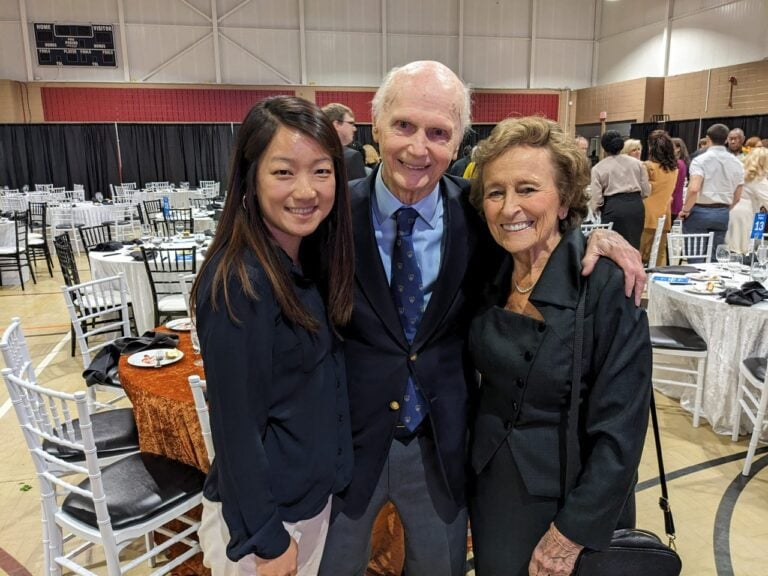
Megan Dodgens, Secretary Riley, and Betty Farr
Ultimately, Megan feels like DLI has done as much for her as she has done for it. “It’s given me a much deeper appreciation for community building and for the complexities of people in general. That has grown me as a person. It’s grown me as a mother, a wife, and an employee. I hope those same elements are translating to our participants in DLI.”
It’s a fitting reflection from someone who still insists she isn’t much of a leader. Yet ask Riley Fellows across the state about Megan Dodgens, and many will tell you she was one of the people who made them feel seen, welcomed, and connected.
As Dodgens leans back in her office chair toward the end of the interview, musing about how she “feel[s] like [she’s] a really uninteresting person,” it’s fitting that posters of Taylor Swift look down upon her, like the patron saint of loyal friendships, quiet confidence, and communities built one relationship at a time.
Bonus | Fun Facts About Megan
Books on your nightstand: Harry Potter (reading with my daughter), The Anxious Generation, and, recently finished, The Nightengale
Other musical interests: Aside from Taylor, most of my musical choices harken back to ye olden days. I’m usually one of the youngest people in the audience at the concerts I go to. I think the best concert I’ve ever been to was seeing The Police at Fenway Park. I recently headed to Bryan Adams when he was at the Well.
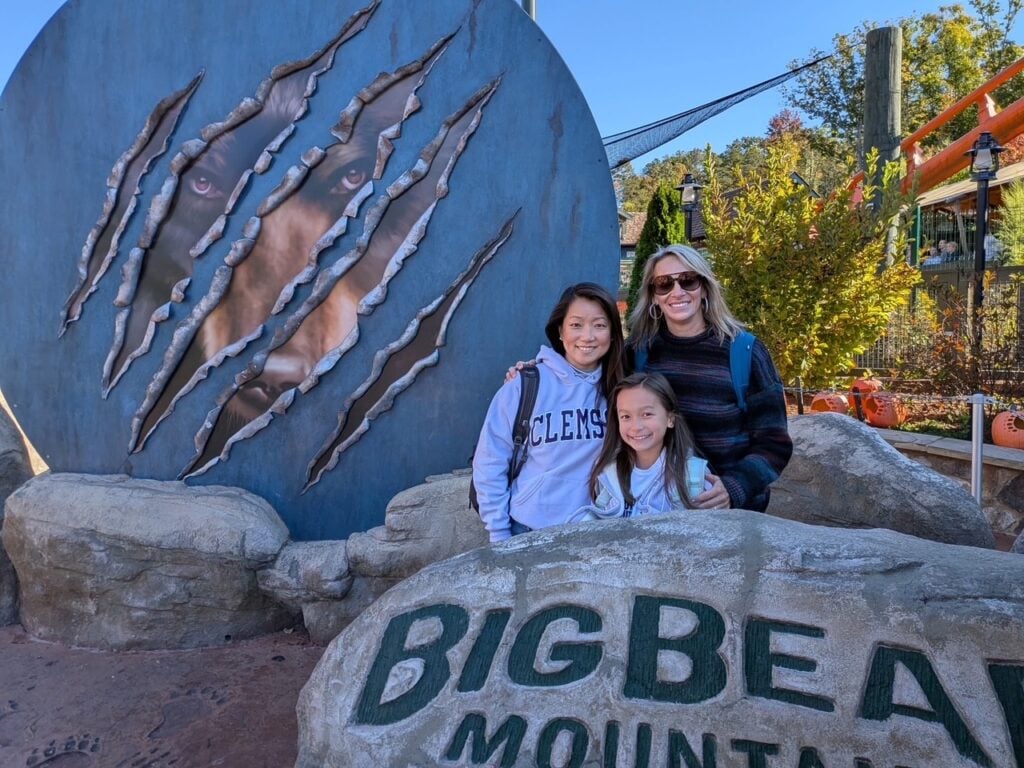
Hobbies: Dollywood. Anybody at The Riley Institute will know that if you’re here long enough, you’ll hear me talk about Dollywood. We have season passes, and we go just about every three weeks or so. Love and miss Dolly. Love Dollywood.