StraightTalk 2021: Structural Racism
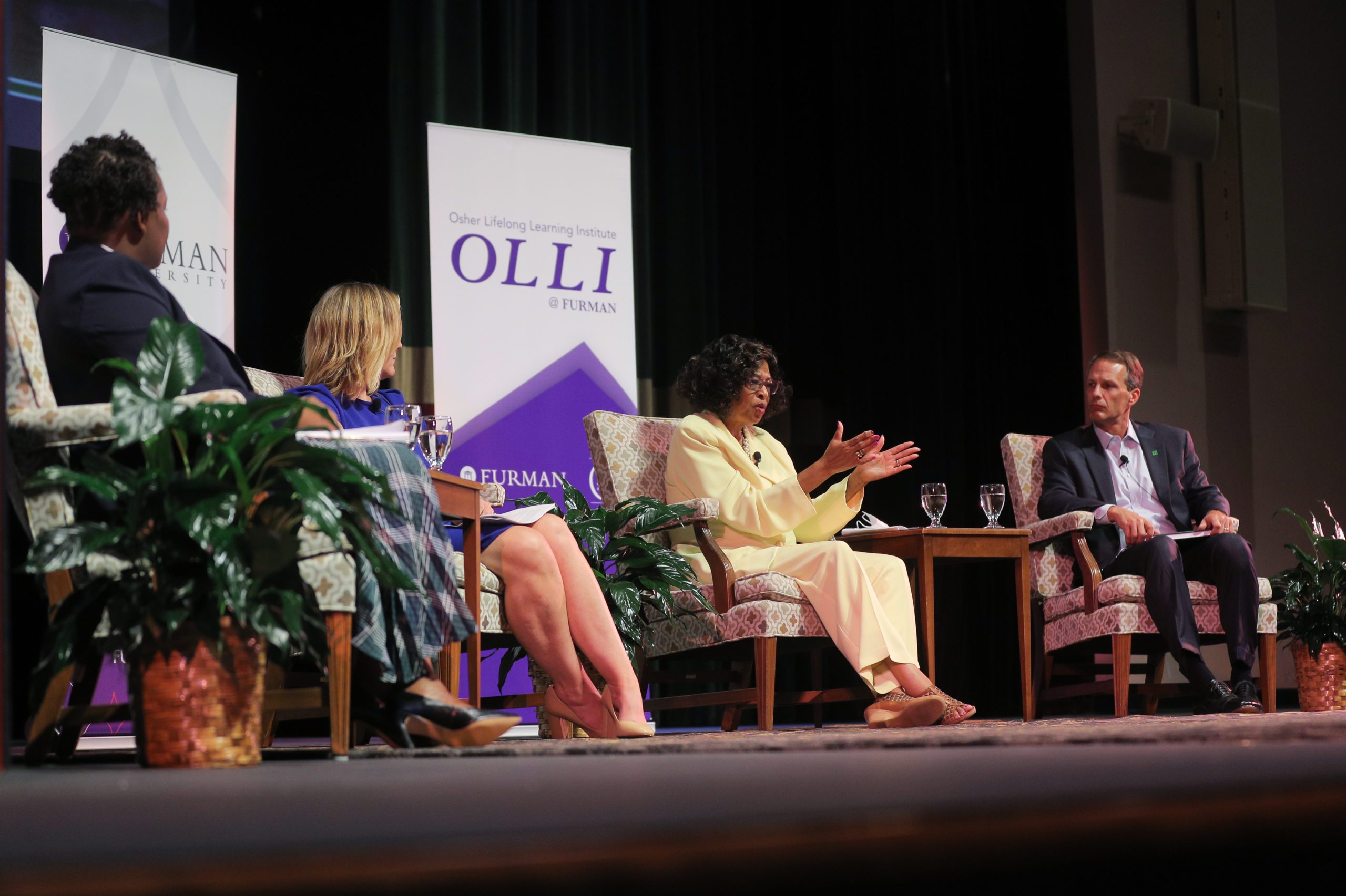
2020 was a watershed year for race relations in the United States. The murder of George Floyd at the hands of police officer Derek Chauvin and the killings of multiple unarmed Black Americans brought people of all races to the streets to protest against police brutality and racial violence and to remind us that even if historically they have been viewed as ‘less than,’ black lives do matter. At the same time, a global pandemic that has disproportionately impacted Black people, Indigenous people, and people of color caused many of us to examine disparities within healthcare and society at large. Combined, these moments led to honest conversations about race and racism, empathetic and sometimes angry social media exchanges, and earnest questions of what can be done to change a system that clearly isn’t working for everyone.
This national reckoning has also shined a spotlight on the legacies of structural racism, which is the broad system of policies, practices, structures, and norms that perpetuate and reinforce racial inequities. Structural racism contributes to ongoing disparities not only in our criminal justice system, but also in wealth, health, housing, employment, and education.
What are the costs of racism and the benefits to us all in realizing that life is not a zero-sum game? StraightTalk 2021 explored the continued impact of structural racism in America and what we can do as a community and a country to create a more just society.
StraightTalk is carried out annually in partnership with OLLI@Furman.






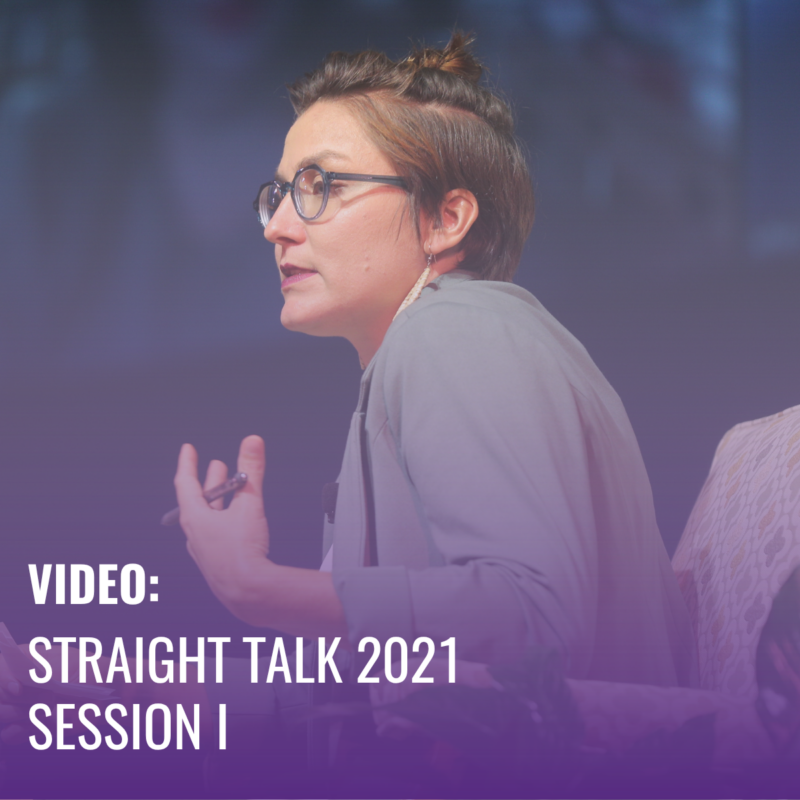
Session I
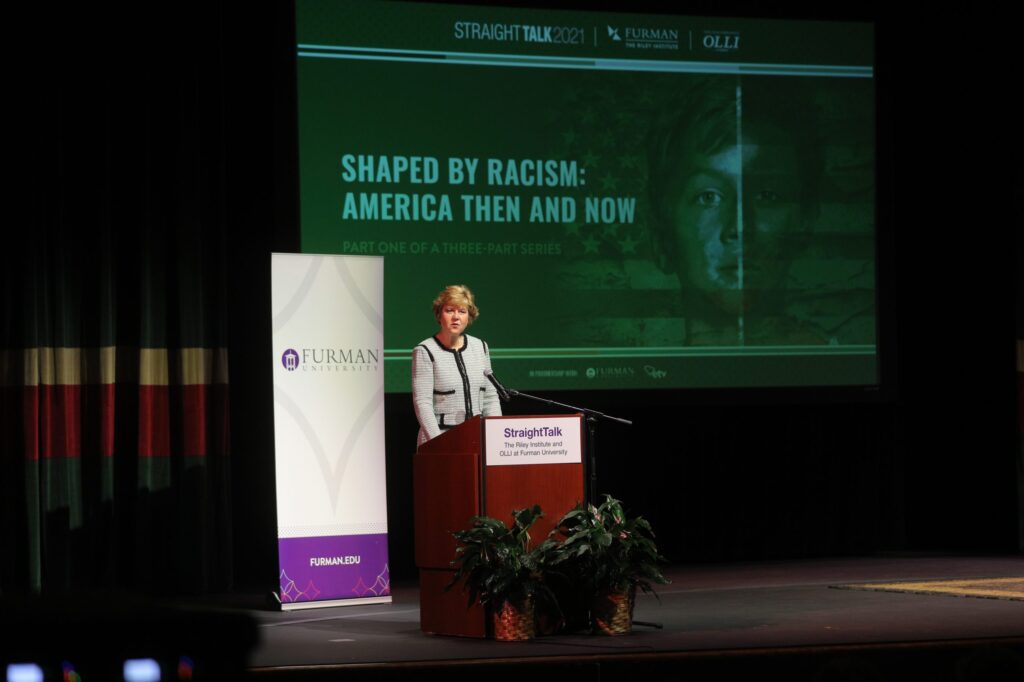
America’s history has many stories of strong and principled leadership; however, laws and policies enacted over the last two centuries were often exclusionary. Not everyone has been equally positioned to access the full benefits of citizenship or gain wealth or power. How has structural racism shaped our country since its founding? What does the life and death of George Floyd tell us about the impact of structural racism on the individual and on policing?
Speakers
- Monica Bell; associate professor of law, Yale Law School
- Brittany Arsiniega; professor of politics and international affairs, Furman University
- Jeffery Robinson; founder and executive director, The Who We Are Project
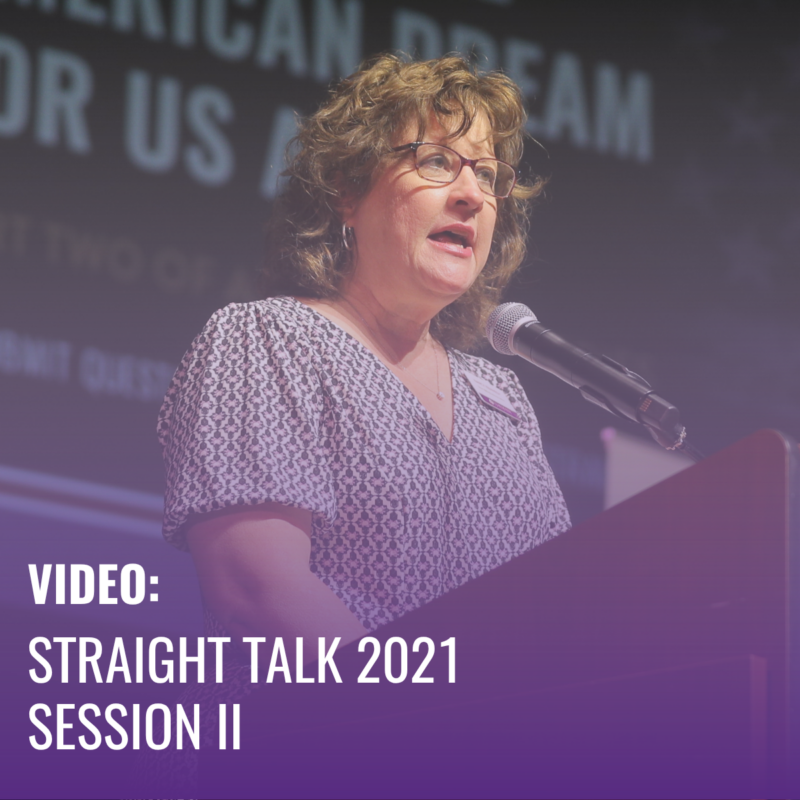
Session II
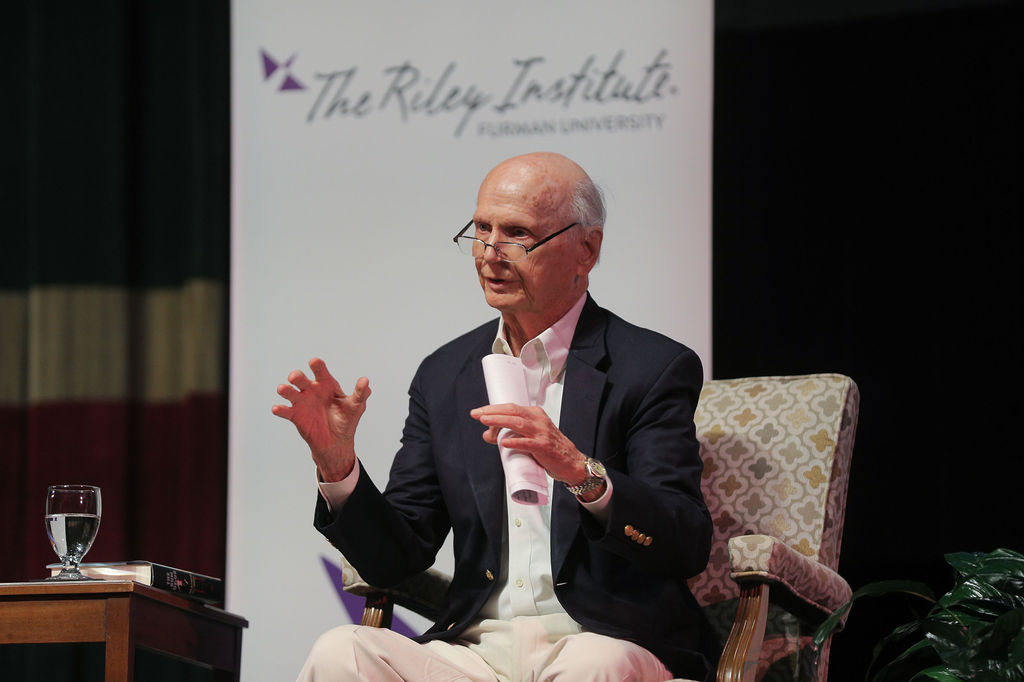
Our most vexing public problems—economic inequality, loss of public goods, rising debt, and collapsing infrastructure—are tied to systemic racism. The American Dream eludes many Americans. Some of today’s battle is rooted in the fear that progress for some must come at the expense of others. What if righting racial inequities in home ownership, neighborhood development, education, health, and employment opportunities isn’t really a zero-sum game, but rather yields benefits for all people? What is the best way forward if we are to prosper together?
Speakers
- Richard W. Riley; former U.S. secretary of education, former governor of SC
- Meghan Barp; president and CEO, United Way of Greenville County
- Thelisha Eaddy; reporter, South Carolina Public Radio
- Lillian Brock Flemming; mayor pro tem, Greenville City Council
- David Lominack; market president of South Carolina, TD Bank
- Heather McGhee; New York Times bestseller author, The Sum of Us: What Racism Costs Everyone and How We Can Prosper Together
- Ken Peterson; VP for academic affairs and professor of economics, Furman University
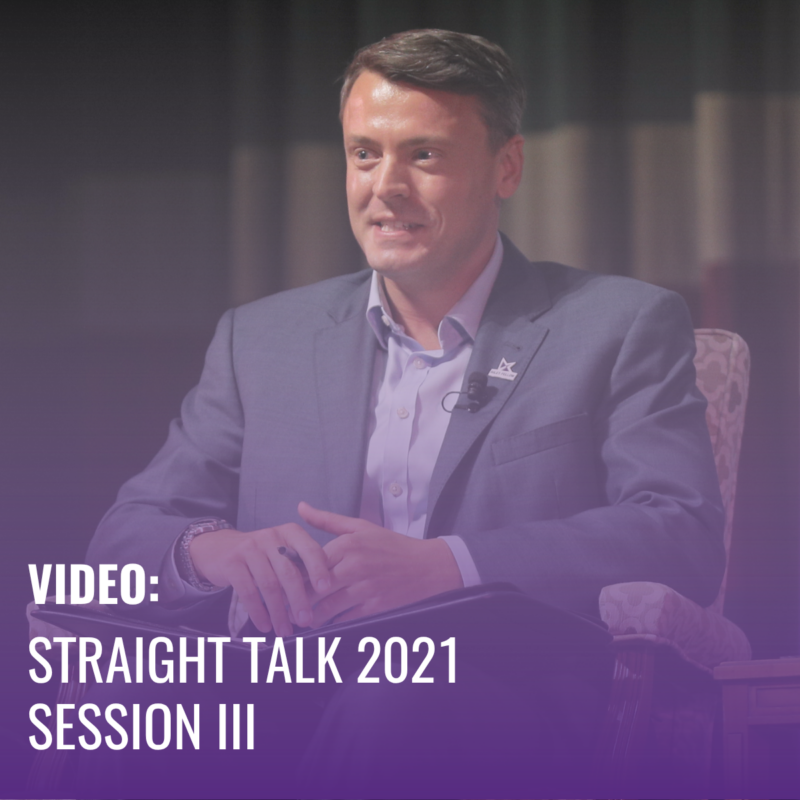
Session III
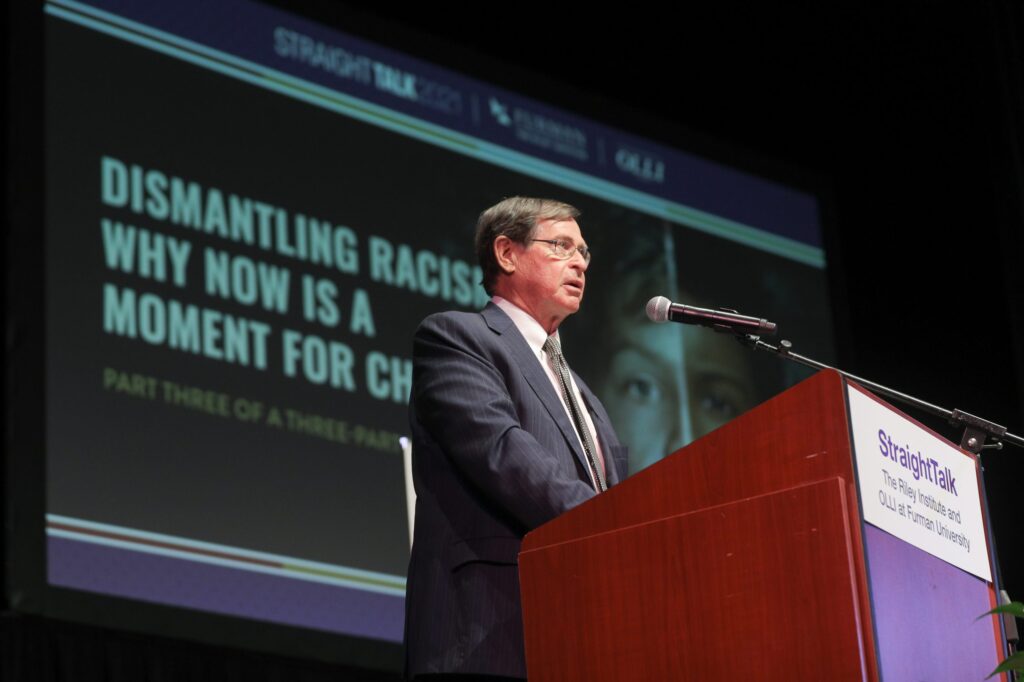
Racism and racial injustice are often in headlines and spur frequent protests. With heightened attention to these complex issues and the promise of federal investment in communities as they recover from losses due to COVID-19, now is a pivotal moment. How might these funds and other measures be employed to counteract the exacerbation of racial inequities during the pandemic? What can local leaders do to build up communities and drive equitable outcomes? What is our hope in this moment?
Speakers
- Angela Glover Blackwell; founder in residence, PolicyLink; commentator, The New York Times, Washington Post, CNN
- Russell Booker; executive director, Spartanburg Academic Movement
- Gavin Jackson; host, South Carolina ETV’s This Week in South Carolina
- John Simpkins; president, MDC. Served in the Obama Administration as deputy general counsel for the White House Office of Management and Budget.
Watch Session Recordings
Related News
National experts to speak on structural racism in series co-presented by the Riley Institute
A dozen notable leading voices on racial justice and public policy will share their expertise during Structural Racism: It’s Real, It Matters, and Why Change Can Happen Now, beginning August 31.
Continue Reading >News release: We must act now to dismantle structural racism
In large cities and small towns across America and around the globe, hundreds of thousands have marched in protest of racial discrimination and the police killings of black Americans. Galvanized by the killings of George...
Continue Reading >