Straight Talk 2017
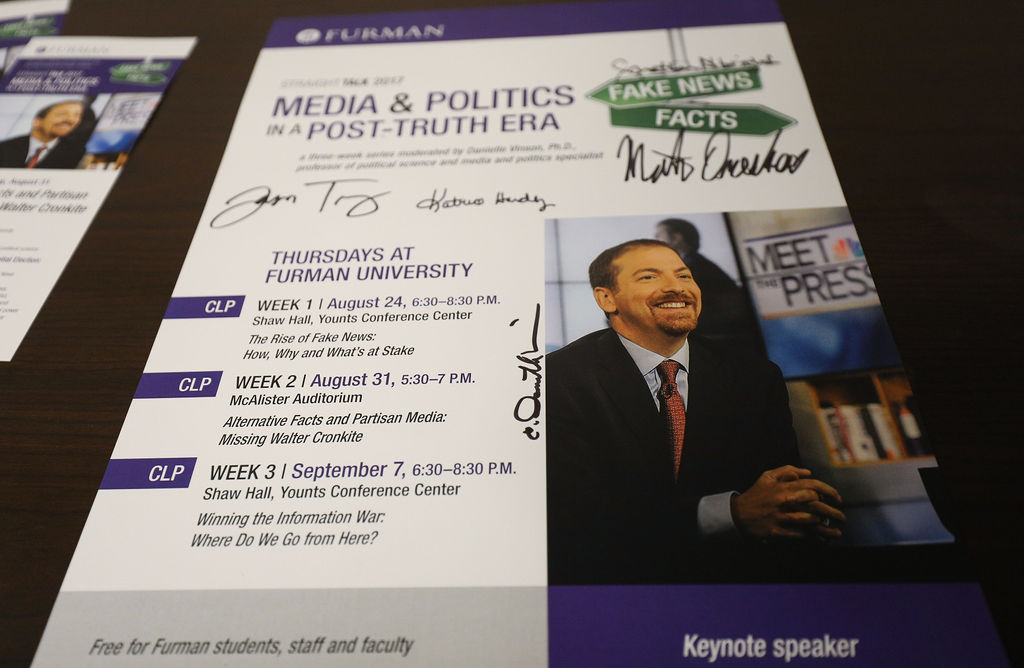
Media and Politics in a Post-Truth Era
In the digital era, spreading made-up news and propaganda is easy—and often profitable. Why is it that false stories are shared so frequently and believed by so many of us? What does this say about the future of real journalism, fact-based news and how the public understands the country’s politics and policies?
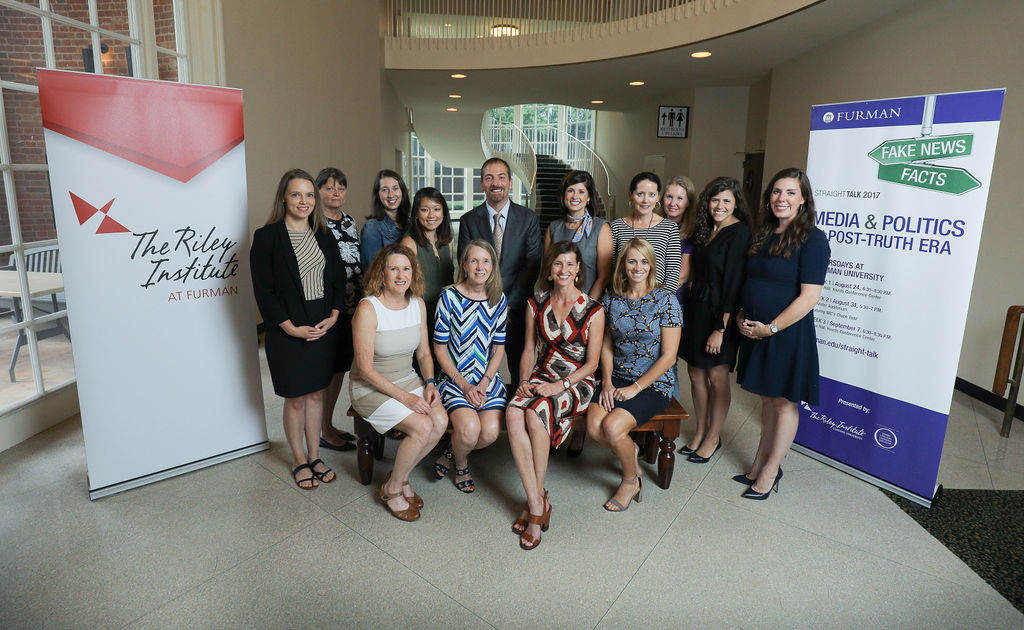
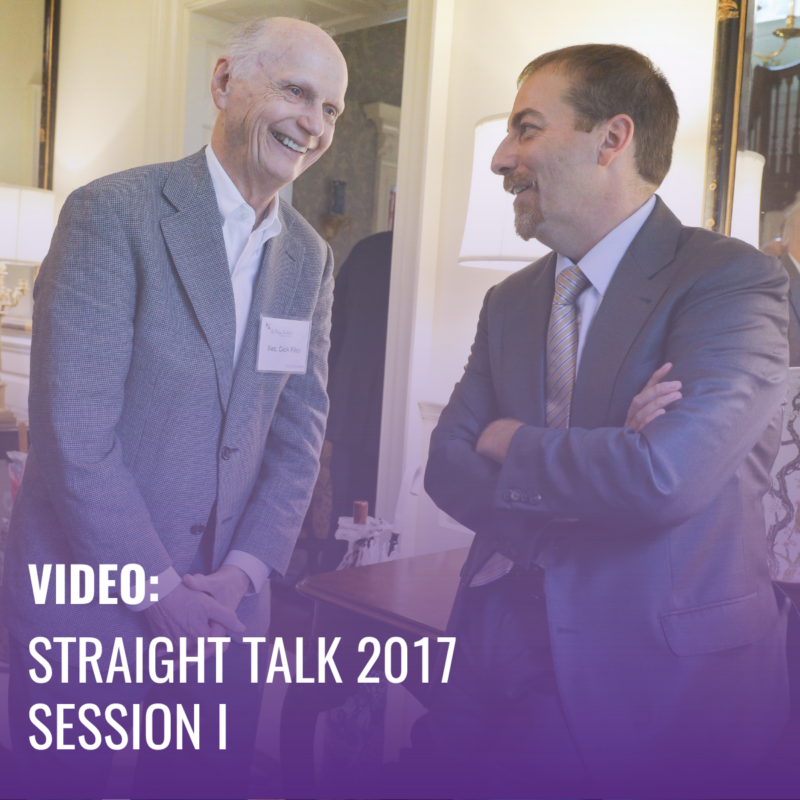
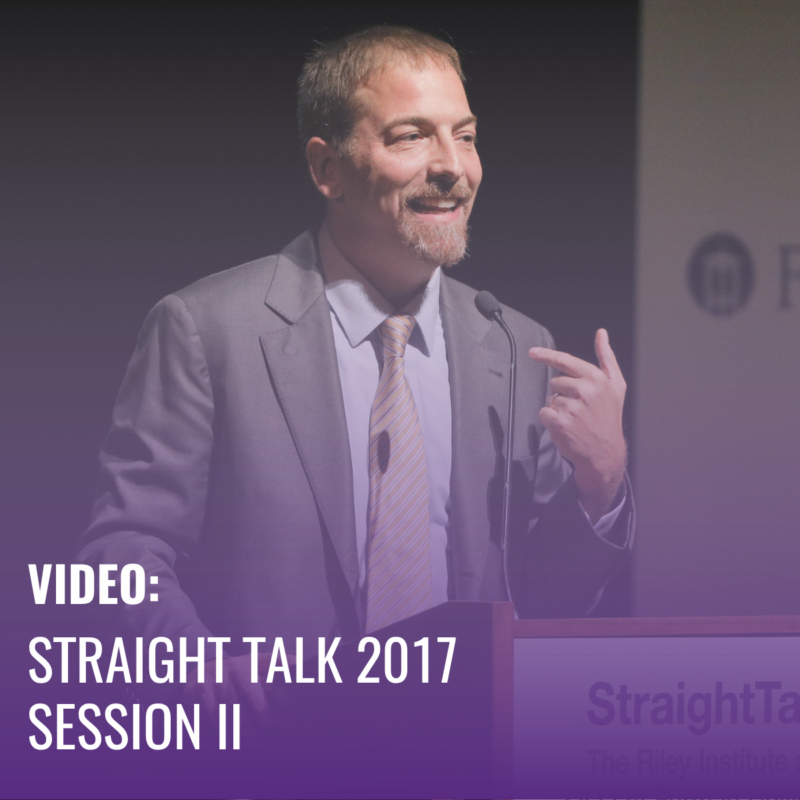
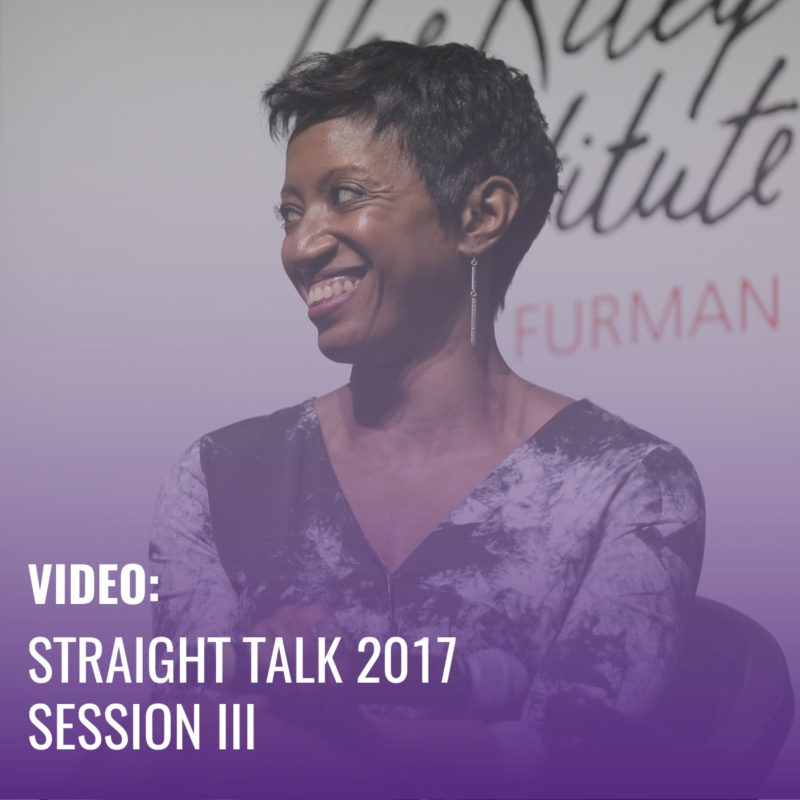
For three Thursday evenings in August and September, The Riley Institute and the Osher Lifelong Learning Institute examined the rise of fake news and propaganda with the annual StraightTalk series. Sessions explored why we are so easily duped, how false stories impact politics and real news, and what we can do to fight back against the constant barrage of misinformation.
StraightTalk is carried out annually in partnership with OLLI@Furman.



Speakers
Session I Speakers
- Jason Tanz; site director, WIRED, Understanding Today’s News Ecosystem
- Jonathan Albright; research director, Tow Center for Digital Journalism at Columbia University
- Michael Oreskes; senior VP of news and editorial director, NPR
Session II Speakers
- Chuck Todd; moderator, Meet the Press; political director, NBC News
- Katrice Hardy; executive editor, The Greenville News; SE regional editor, USA Today
- Bob Inglis; former member of U.S. House of Representatives, S.C.’s 4th district
Session III Speakers
- Alexios Mantzarlis; director, International Fact-Checking Network, Poynter Institute
- Erika Hobbs; communications director, News Literacy Project
- Charles Bierbauer; professor, USC School of Journalism and Mass Communications
- Nigel Robertson; anchor and reporter, WYFF News 4