

A Familiar Challenge
At most institutions, the quality of advising a student receives depends almost entirely on which advisor they happen to draw. Some students get comprehensive, developmental support. Others get a transactional meeting about course registration once a semester. The students who would benefit most are usually the least likely to seek it out.
Furman had the same inconsistency, along with a sophomore year largely without intentional programming and a career center students were not engaging with until senior year, resulting in alumni reporting they felt underprepared for their next career steps, if they weren’t on a path to graduate or professional school.
The Pathways Program was built to address all of this as one integrated system: a two-year required advising program for every first-year and sophomore. We have described its structure in detail elsewhere. What we want to share here is what we discovered once it was running, because the most useful lessons turned out to be the ones we did not plan for.
Discovery 01:
Staff became our most enthusiastic participants
79% of staff advisors strongly agreed that being a Pathways advisor helps faculty/staff be more effective in supporting students in their primary roles outside of the program
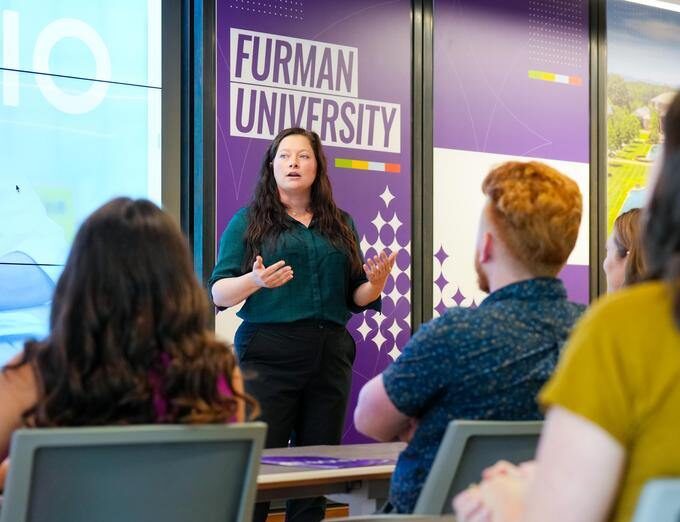
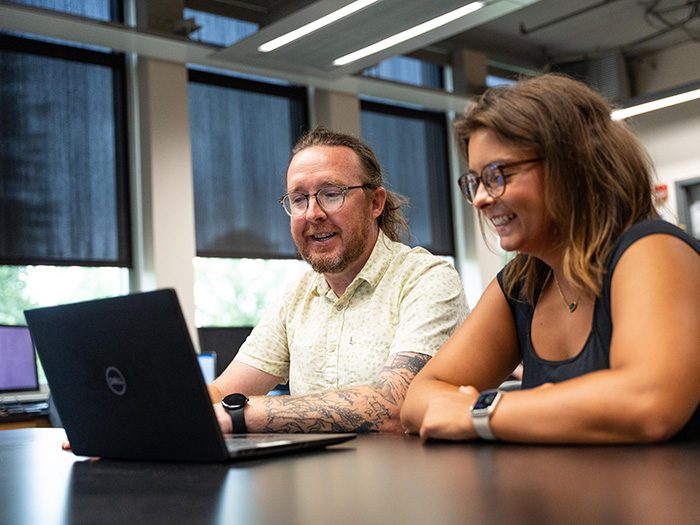
Many of our staff hold master’s degrees in higher education or counseling and had been advising students informally as volunteers, with no compensation or formal role. When we began compensating advising positions within the program with stipends, the response was immediate.
Staff attend every training session and show up to optional professional development we never had to mandate. They describe this as some of the most meaningful work they do, because they are finally using the expertise they were trained for.
For institutions considering a similar model, this is worth noting: you may already have an untapped advising workforce in your existing staff. The barrier is rarely willingness. It is structure and recognition.
Discovery 02:
Random assignment solved a problem we didn’t anticipate
80 advisors representing faculty and staff from across academic majors and university divisions
We used to assign students to advisors by area of interest. That meant we could never provide all interested students with advisors in high-demand fields like business, pre-health, or psychology, because those departments had no faculty to spare.
Random assignment eliminated the bottleneck. It also created something unexpectedly valuable: each advising cohort became a microcosm of the liberal arts, with mixed interests and perspectives in every room. Staff could facilitate any section, broadening the staffing pool dramatically. And faculty found a new way to connect with students they would never have encountered otherwise.
Discovery 03:
Career engagement moved upstream by two years
78% of students say Furman clearly communicates resources for life after college, up from 54%
We embedded career exploration into the required sophomore curriculum to ensure time for students to explore their interests throughout the first-year. Students arrive without a declared major, and we encourage them to try new things and find what matters to them. By sophomore fall, they have enough self-knowledge for career conversations to land.
Having a two year curriculum allows us to go deeper than a one-semester transition course ever could. We don’t just focus on helping students transition to college but we encourage them to take the time to try new things, explore their interests, and find what matters to them. By sophomore fall, they have enough self-knowledge for career conversations to land.
The sophomore curriculum encourages students to reflect on what matters to them and where they want to go. Students identify personal and professional goals and explore career paths. We teach them to identify the skills they need to develop and think about where they are learning these skills. They create a resume, have a career conversation with an alum in their field, and think intentionally about their experience early in their educational career. And they learn to communicate their strengths and skills. This intentional approach changed how students pursued internships, research, and study away experiences, and provide a solid foundation to build from when they move into department specific programming within their majors.
And we emphasized the importance of this by giving them class time to prepare for life after Furman.
Discovery 04:
Belonging improved because we designed for it
77% student belonging, up from 65% in 2019
How did we do it?
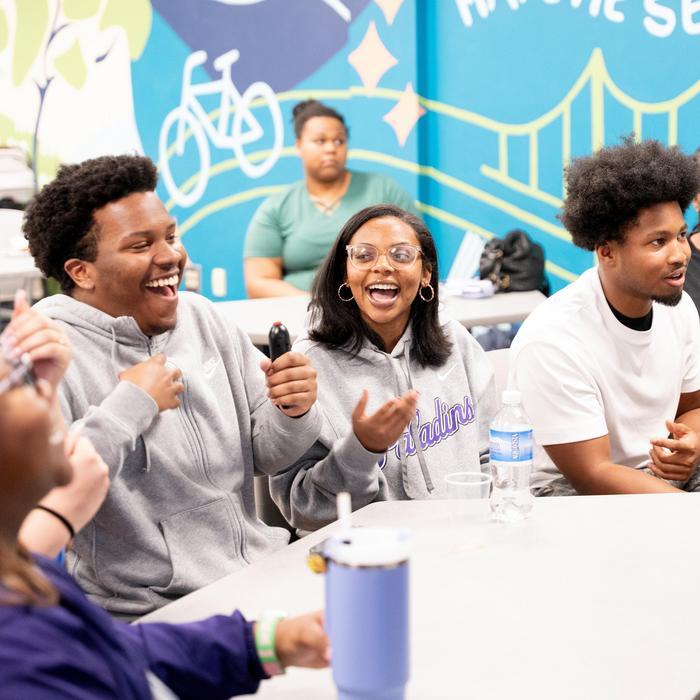
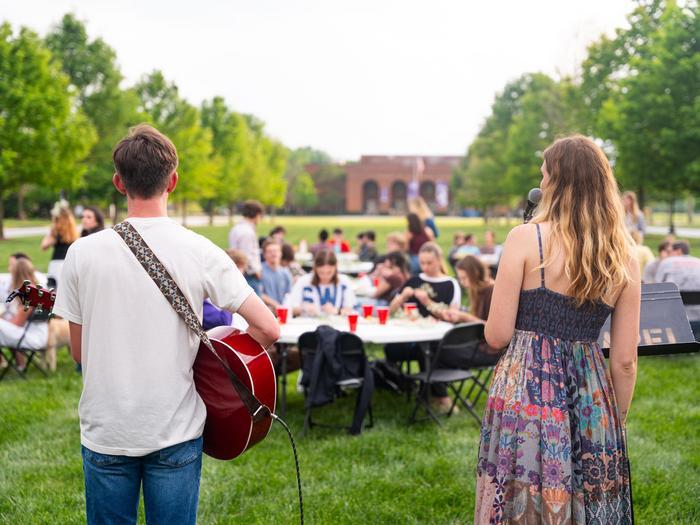
Three things. 1) Assigning fall orientation groups to align with Pathways rosters so that from the time students get on campus they are interacting with their peer mentor and students they will see for the next two years. 2) “Welcome and reconnect” time at the start of every class period, to give space for advisors, peer mentors, and classmates to get to know each other as whole people in the first year. 3) Required student reflections through homework assignments and in class activities that provide intervention moments for advisors to facilitate connections to student orgs, campus involvement opportunities, and offices based on what students share. The combination ensured that students get connected early.
And as sense of belonging increased, so has first-to-sophomore retention which returned back to pre-pandemic historical norms with the launch of the Pathways Program.
Discovery 05:
The program is not the same one we launched
We assess continuously and modify the curriculum every year based on what we learn from students and advisors. The core topics have remained stable, but the framing, materials, and emphasis shift to stay aligned with institutional priorities and student needs.
We are not precious about keeping it identical. That willingness to iterate, to treat the program as a living system rather than a fixed curriculum, is part of what the awarding organizations recognized.
Discovery 06:
Built for advising. Ready when crisis hits.
We built Pathways for advising, career development, and retention. What we discovered is that a universal system with weekly touchpoints and centralized coordination can also respond to whatever students are facing in real time.
When a hurricane disrupted campus, we shifted the following week’s curriculum to stress management and space for students to process the experience together. When our community lost a student, advisors had grief resources and mental health referrals in hand before their next session. None of these responses required a new initiative. The infrastructure was already there to reach half of the student body.
Students are far more likely to engage with support when it comes through a relationship they already trust, in a setting they are already part of. The system we built for student success turns out to serve purposes we did not anticipate when we designed it.
-
83%of seniors report that they feel like they belong
-
86%Students completing at least one high-impact practice
-
60%Students completing two or more high-impact practices
-
86%of seniors say Furman prepared them to present their skills to employers
-
83%of seniors say Furman prepared them to select the right career path for themselves
All for Less Than $500 Per Student
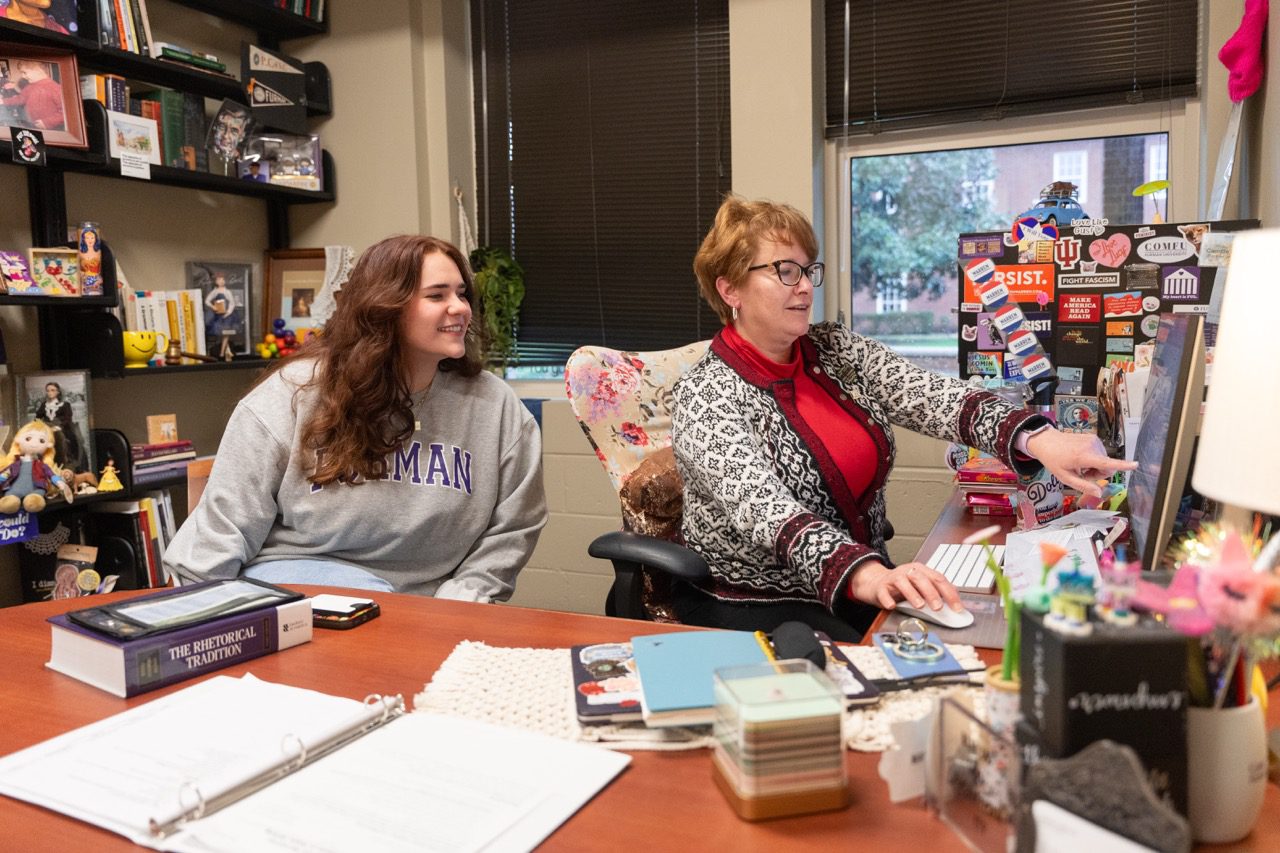
The key structural decision was allowing Pathways advising to be compensated through a stipend or by counting as one of a faculty member’s five required courses per year. Faculty can choose to fold this work in, rather than adding work to their load. They may substitute one course for a section of fifteen students they get to know as whole people over an entire year. That trade turns out to be attractive for the faculty who prefer compensation in the form of time, rather than money.
The second was recognizing the workforce we already had. Many of our staff hold graduate degrees in higher education, counseling, or student development. Before Pathways, they were advising students informally with no compensation or structure. When we created formal paid roles, they did not need to be convinced. Staff are now some of our strongest advisors, and the compensation cost is a fraction of what hiring new professional staff would require.
-
<$500Kannual cost for 80 advisors, 20 peer mentors, reaching every first-year and sophomore
-
$1.3Mannual cost of undergraduate research, reaching fewer than 300 students
The Full Report
We have tried to share the most useful parts of our experience on this page, but a landing page can only hold so much. For anyone who wants to go deeper, we have documented the full Pathways model in a report designed for practitioners at other institutions.
It covers the curriculum design for all four semesters, how we staff and compensate advisors, our training model, the assessment strategy we use to evaluate both program fidelity and student outcomes, and the challenges we are still working through. It includes the data behind the numbers on this page and the context needed to interpret them honestly.
