Blog
Project Host: A Multifaceted Experience for Good
As an eco-friendly person, I don’t think I could have imagined how superbly a community coming together could intertwine with sustainable action to meet the hunger needs of so many people. Project Host provides nutritious meals to numerous, diverse, food-insecure communities. Seizing the opportunity to become an intern for Project Host through the Shi Institute’s fellows program has broadened my understanding of how different sub-departments can work proficiently to achieve an organization’s goals.
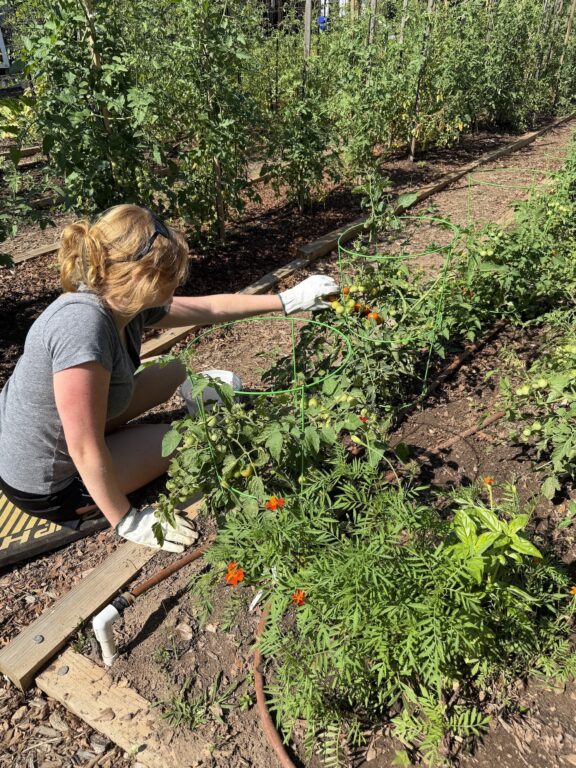
An average day of harvest in the garden
Hello, my name is Lauren Waters. I am a rising Sophomore and a Sustainability Science major. Environmentalism is a key aspect of sustainable thinking, which is illustrated by my engagement with the garden each morning. This includes general maintenance such as weeding, seeding, mulching, and harvesting. I am accompanied by a group of dedicated volunteers on a daily rotation each week. These people are often multigenerational, conversational, and fully committed to hustling in the heat to help someone they have likely never met before. While spending time attending to the botanical wellness, I am simultaneously awarded the unique opportunity to absorb some of Greenville’s deep community roots.
The fruits (and veggies) of our labor go directly to the CC Pearce Culinary School and the Soup Kitchen. The Culinary school trains the un- or underemployed for 6 weeks through cooking meals, executing proper plating techniques, and ensuring food safety, until they officially graduate from the program. The meals prepared during this time go to children in high-need areas. This school annually provides over 40,000 meals to children. The Soup Kitchen serves hot meals 6 days a week and is also run through a rotating volunteer system. The Kitchen relies on food donations and annually generates approximately 40,000 free meals.
If the Soup Kitchen cannot accept the food donation, the items can be distributed with the meals that are driven out and dispersed
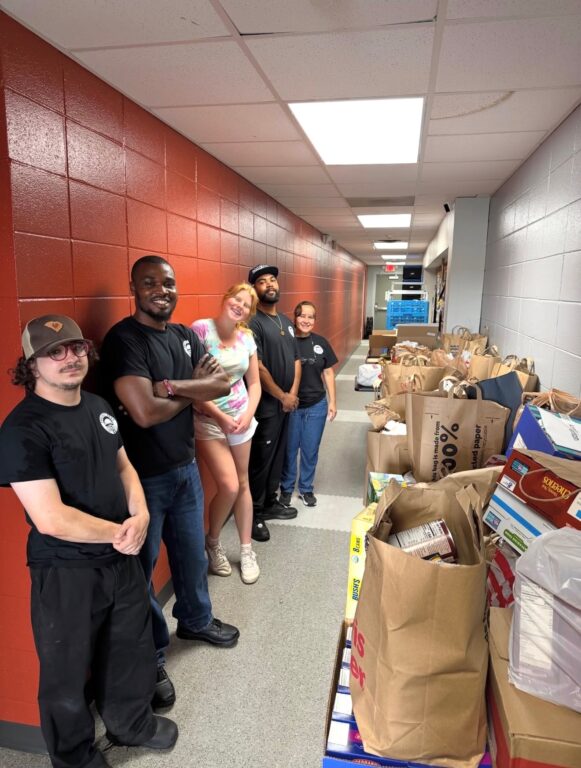
Lauren and the culinary students after a big donation
into the community. In addition to the meals and unusable donations, the individuals are provided water and occasionally clothing. Seeing the same people each week displayed to me how people foster a community of support for one another. These locals collect more than just necessities, but also friendships and care circles that can help in times of extra need.
As the on-site intern, I am responsible for a few solo activities. I am in charge of the weighing, washing, and controlled temperature acclimation of the harvested produce. Each crop is laid out on a tray in an air-conditioned space to begin adjusting temperatures. After total assimilation, they are rewashed and separated to be placed in a walk-in cooler. Another important task is the daily upkeep of the compost. The culinary school and the Soup Kitchen produce many scraps, and they are handled by a four crate compost system that incrementally breaks down the waste until it is ready to be used as fertilizer. This creates a complete circle in production and cultivates a sustainable atmosphere. Finally, I manage the constant inflow of donations, which require disassembling, sorting, and shelf organization.
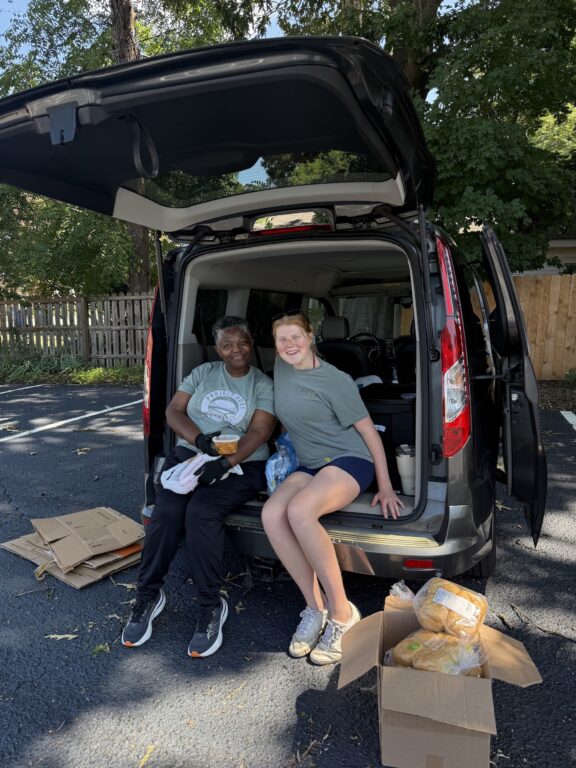
Veronica and Lauren pass out meals to the community
If you are feeling inspired to invest in feeding local Greenville communities, please consider donating food to the soup kitchen or volunteering in the beautiful garden! https://www.projecthost.org/get-involved