Messy Before Neat: Tending Learning in the Last Third of the Semester
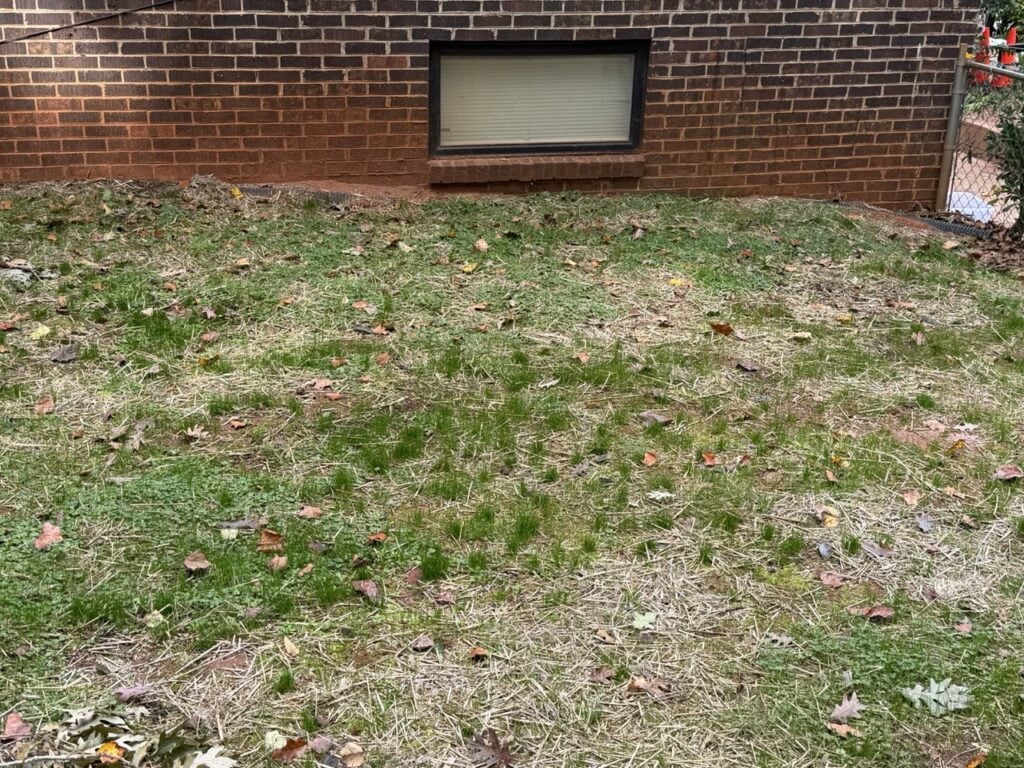
Diane’s yard in progress
Growing up in central Florida had its perks–some more surprising than others. Among these, are the ubiquitous (and dangerous for tag football games) sprinklers that studded most lawns in our modest neighborhood. While the adults were paying attention to water alerts for the many drought seasons of the mid- to late 1980s (houses with even-numbered addresses were allowed to water on even-numbered days, odd-numbered houses on the odd) the kids were watching the calendar for watering time to get a little extra coolness by hopping through their mist while also giving the grass a drink of precious H2O. We were taught early recognize our fortune in having adequate water for life and to sustain energy systems, an unexpected benefit of growing up monitoring water usage in the Sunshine State.
It’s less common here in Greenville for homes to include in-ground sprinkler systems, partially because of our geography and topography, nestled at the foot of the Blue Ridge Mountains. Lately we’ve been navigating a significant drought in the Upstate. Last month my partner and I had a long and discussion about what we would do about our lawn that had been reduced to a red clay desert with sad little green islands here and there. Should we go to the trouble of aerating, reseeding, putting down manure and hay when the yard was already so far gone? Who had the time to hand water our grass-growing experiment frequently, if not daily? And—our yard would ultimately look much worse before it got better, if it got better at all. We are at that time of the semester when you or your students may have caught yourselves thinking a similar question: Should I go to the trouble when the semester is already so far gone?
My daily duties with the garden hose gave me lots of time to think about the connections between project lawn and project learning, which I found equal parts delightful and bizarre. But here goes.
Growth, like learning (and lawns), can look messy before it looks neat. It’s tempting to create a metaphor for learning related to the rebirth of the grass at our house (the water is the classroom environment, the seeds the efforts students invest…). But the truth is—growth could not happen until we paid attention to what we needed to do and then invested consistent effort in the process. Similarly, students have to pay attention to reap the benefits of learning both in your course right now and in the months and years to come when what they’ve learned–sprinkled with curiosity and a penchant for life-long learning–comes to fruition. With that in mind, we’ve created an evidence-based guide to help you hold students’ attention as we near the semester’s end. Let us know if you try any of these teaching moves—or if you’d like your own copy of Small Teaching (we have a few extra in our library).